


There is a sentiment from a private conversation with a Chinese friend that captures the deeper meaning of the Selangor pig farming controversy better than many official statements.
The concern was not simply about pig farms or pork supply. It was about whether ordinary aspects of minority life - food, business practice, culture, and daily routine - could remain ordinary, or whether they would increasingly be drawn into public political controversy.
More importantly, it was not an argument against the palace. Many Chinese Malaysians accept the monarchy as part of the country’s constitutional settlement, and many regard it with respect.
The deeper question was whether today’s politicians still know how to manage sensitive relationships between the palace, the state government, bureaucracy, Malay-Muslim sentiment and minority anxieties before they become public confrontations.
That is where the present political danger lies: the fading art of political statecraft.
Pig farm blow up
The Selangor controversy did not begin with Rukun Negara. It began with pigs, land, pollution, food supply and local sensitivities.

The issue surfaced when the Selangor government proposed relocating scattered pig farms around Tanjung Sepat into a centralised facility in Bukit Tagar.
It was framed as a modern and hygienic solution, but objections soon emerged because Bukit Tagar was also seen as a Malay-majority area.
The palace’s concern was not new. State ruler Sultan Sharafuddin Idris Shah had expressed reservations over large-scale pig farming plans, citing harmony, demographics, pollution, and environmental concerns.
The position later hardened, with the sultan reportedly objecting to pig farming anywhere in Selangor and suggesting pork imports as an alternative for non-Muslim communities.
This is where two political languages collided. To many Malays, the sultan was speaking as a guardian of harmony, environmental order, and Muslim sensitivity.
To some Chinese, the same episode sounded like a warning that the minority lifestyle and business space could be narrowed by institutional pressure before elected representatives had fully settled the policy question.
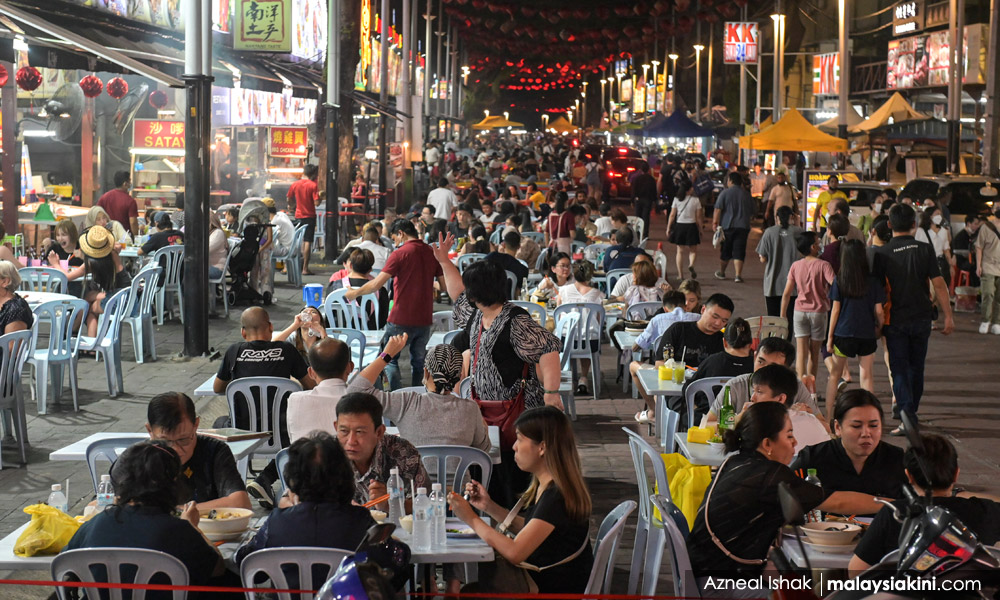
This is why the concern of the Chinese community matters.
It was not simply “we want pig farms”, but whether the current political leadership still knew how to manage the sensitive relationships, Islam, bureaucracy, and minority anxieties, without turning every sensitive issue into a public cultural confrontation.
Not wrong, but perhaps misjudged
DAP’s response was predictable. Seri Kembangan assemblyperson Wong Siew Ki argued that modern farming could address environmental concerns, while the party’s secretary-general, Anthony Loke, stressed that elected representatives had the right to raise policy matters.
Former DAP leader Ronnie Liu later suggested a judicial review, while former Damansara MP Tony Pua framed the issue around constitutional monarchy and constitutional supremacy.
Legally, those arguments were not baseless, but politics in Malaysia has rarely been governed by legal reasoning alone.
The Rukun Negara itself reflects this tension. It contains not only the principles of constitutional supremacy and the rule of law, but also loyalty to king and country, courtesy, and morality.
That is precisely why the sultan’s response resonated strongly among many Malays. The palace was speaking in the language of adab (manners), dignity, and cohesion. Pua was replying in the language of constitutional boundaries.

To DAP’s core supporters, that sounded principled. To more moderate Chinese, it risked turning their lifestyles and culture into political controversy. To many Malays, it sounded like publicly challenging the sultan.
That is the gap.
DAP’s recent posture in Negeri Sembilan sharpened the contrast. There, Loke defended the dignity of the monarchy during a royal dispute.
Legally, the positions were not necessarily inconsistent. But to the critics, DAP defended royal dignity only when it supported their agenda.
Keeping all sides mollified
This is where BN-era statecraft becomes relevant. Its strength was never merely that it was “pro-Raja”; many parties can shout “Daulat Tuanku”.
Its real advantage, developed over decades of governance, was that it understood the informal machinery of Malaysia: palace protocol, Malay sentiment, minority reassurance, bureaucratic compromise and private negotiation.
The old BN model was imperfect, often opaque, and criticised for patronage, but it was built around multi-ethnic power-sharing under Umno dominance.

University of Melbourne political scientist Sebastian Dettman has noted that BN projected a multiracial governing structure while accommodating minority interests through MCA and MIC.
Sunway University political scientist Wong Chin Huat similarly links Malaysia’s political stability to coalition management and negotiated coexistence.
The practical effect was this: sensitive matters were often settled before they exploded.
An Umno menteri besar could speak to the palace quietly. MCA leaders could raise Chinese concerns without making the monarchy lose face. Civil servants could search for compromises. Public statements could be kept respectful. Minority anxieties were handled without inviting a Malay backlash.
Nobody had to win loudly because nobody was forced to lose publicly. That is what my Chinese friend was really saying.
He was not asking political leaders to fight for the existence of pig farms or to secure pork supplies.
He was asking whether the current political class still knows how to negotiate sensitive matters without making minorities feel culturally cornered or Malays feel that their institutions are being publicly challenged.
What Harapan is missing
This concern should not be dismissed as a narrow debate over pig farms or pork supply. It is about cultural autonomy, business predictability, and confidence that non-Muslim life will not suddenly be reclassified as a political problem.
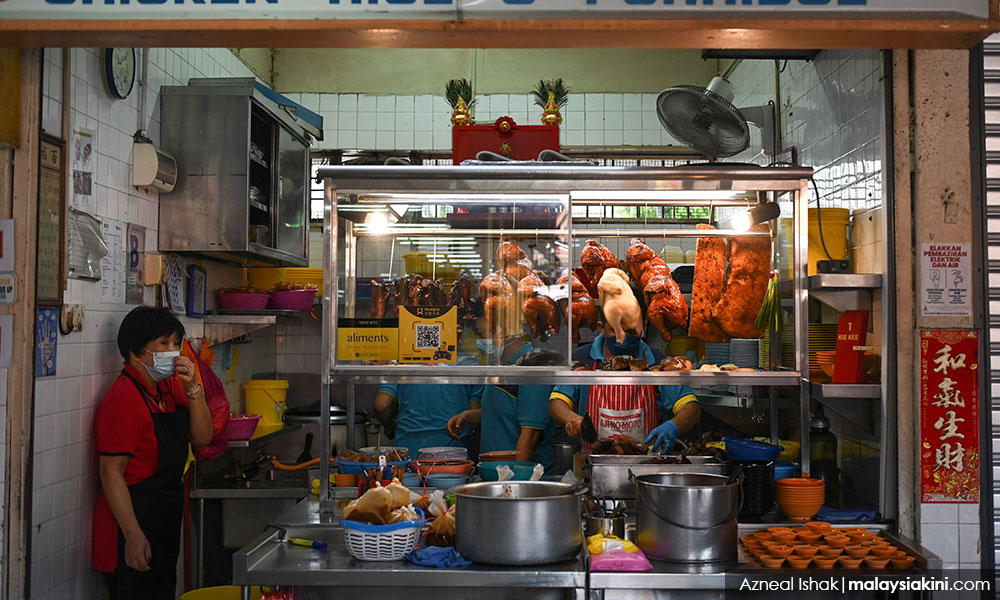
BN-era statecraft understood how to protect Islam, the monarchy, and Malay institutions while also keeping Malaysia liveable, predictable, and fair for non-Muslim communities.
For Pakatan Harapan and DAP, the public constitutional argument may satisfy a core support base, but if every sensitive dispute becomes a public duel with royal institutions and Malay-Muslim sentiment, then minority concerns may become more exposed to backlash.
You may win the applause of hardcore loyal supporters, but risk weakening national harmony and peace.
For Umno, the lesson is not to weaponise the issue racially. The opportunity is to remind Malaysians of another political competence: managing contradictions with tact, restraint, and institutional finesse - what the Malays describe as “menarik rambut dalam tepung; rambut tidak putus, tepung tidak berselerak” (to handle a delicate situation with fairness and tact).
Malaysia is a country of symbols and stomachs, of Rukun Negara and dinner tables, of constitutional doctrine and lived sensitivities.
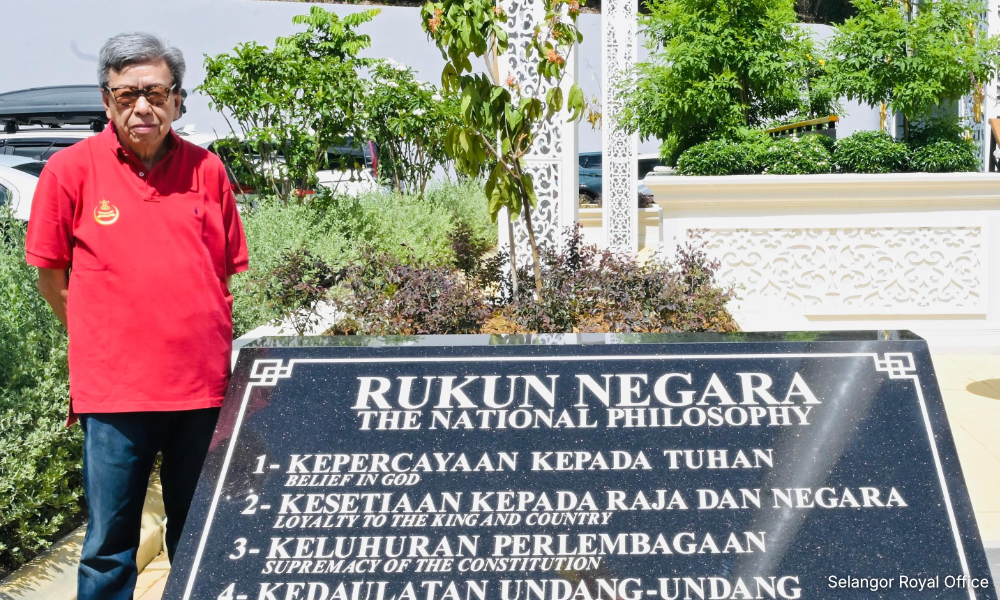
It does not survive because every side wins its argument in public. It survives because enough leaders know when to speak, when to negotiate, when to reassure, and when to leave dignity intact.
You may not always like BN, but at its best, it understood something Harapan/DAP is still learning: in Malaysia, the balance is not only upheld by the law.
It is upheld by relationships, timing, language, and the ability to prevent private anxiety from becoming public rupture.
For six decades, BN’s greatest political product was not merely development or stability. It was managed tolerance. - Mkini
RAZIZ RASHID is a strategic communications consultant, former head of Corporate Communications at the Prime Minister’s Department, and chairperson of Pertubuhan Sukarelawan Siber Selamat.
The views expressed here are those of the author/contributor and do not necessarily represent the views of MMKtT.

No comments:
Post a Comment
Note: Only a member of this blog may post a comment.