


Parti Bersama Malaysia (Bersama) leaders Rafizi Ramli and Nik Nazmi Nik Ahmad said they had carefully planned their political moves to avoid triggering the collapse of the federal government.
The former economy minister claimed that PKR president Anwar Ibrahim and his daughter Nurul Izzah, who is also his party deputy, were aware of this.
“That is why they didn’t sack us, even though (PKR secretary-general) Fuziah Salleh was making attempts here and there, but in the end, the matter was only brought to meetings and went nowhere.
“Because if they had sacked me, let alone the others (involved), then the government would have collapsed - they understood this,” Rafizi said in the latest episode of his “Yang Berhenti Menteri” podcast on Friday night.
He explained that if 10 PKR MPs had resigned simultaneously, Anwar could have lost his mandate as prime minister, given PKR’s relatively small bloc in the Dewan Rakyat.
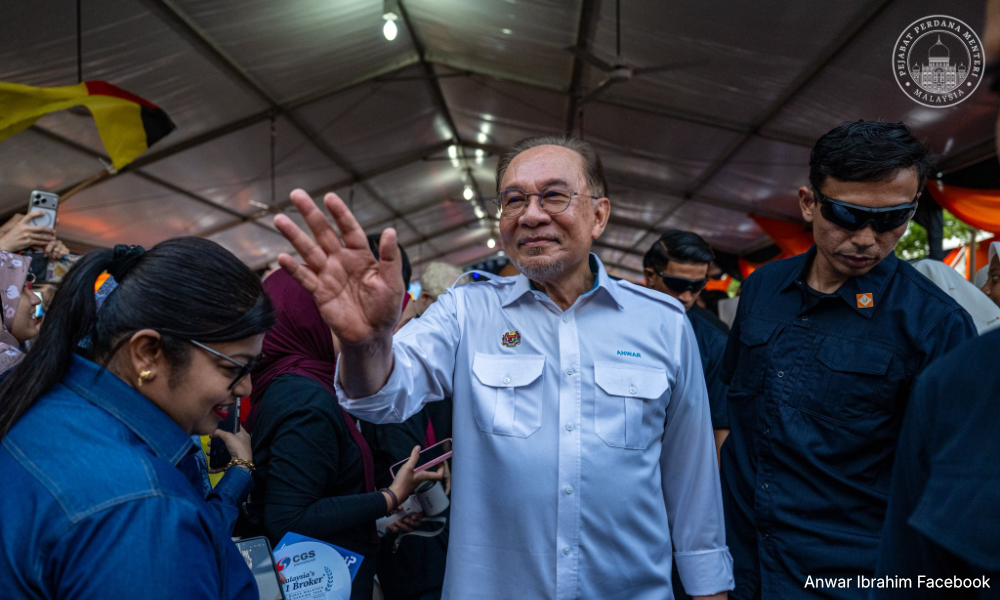
On Monday, Fuziah claimed to have proof that Rafizi and Nik Nazmi had violated their 2022 election bond with PKR in joining Bersama before quitting the party, which would make them liable for a RM10 million penalty.
The pair had resigned as MPs and quit PKR on May 18 and joined Bersama the following day, but Fuziah said that Bersama’s website had already listed them as members on May 17.
18k registration in 5 days
Commenting further, Rafizi said Bersama attained more than 18,000 membership registrations within its first five days.
While 46 percent of members had no prior political affiliation, he said the remaining sign-ups reflected Bersama’s success in attracting “disenfranchised voters” from other parties.
The largest share of politically affiliated members came from PKR at 29 percent, followed by Umno at 6.3 percent, Amanah and Bersatu at 2.5 percent each, as well as PAS, though he did not disclose the figure.
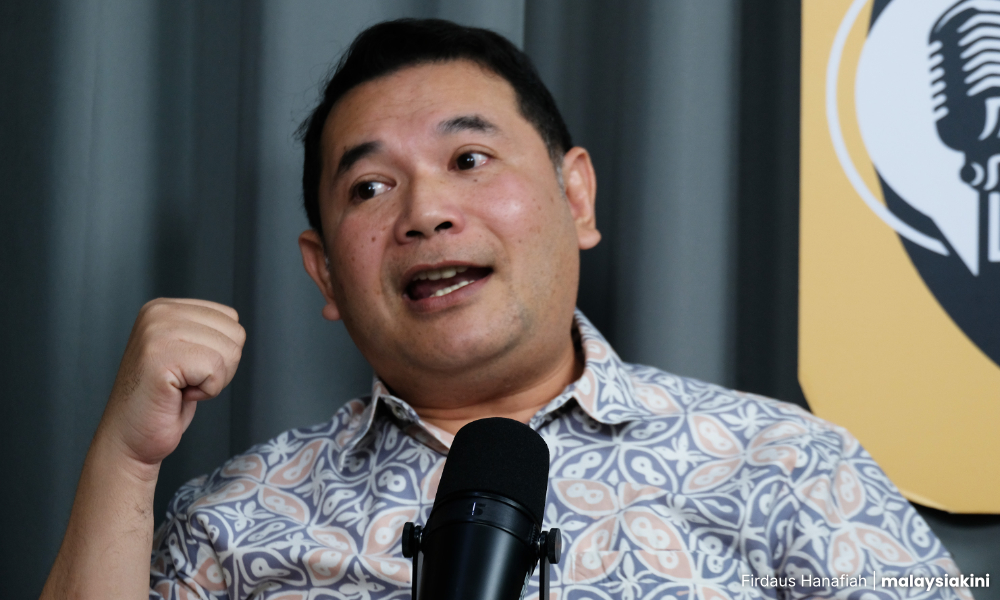
“We’ve looked at the data of these disenfranchised voters, and what we have seen is that actually Malay support for BN, Perikatan Nasional, and Pakatan Harapan is on a downward trend,” he said, adding that the data on Bersatu members is a form of “early validation” for this hypothesis.
Previously, Rafizi said on KiniTV’s “Explain Sikit” podcast that Bersama is hoping to win support from disenfranchised voters and those disillusioned with the three major political coalitions.
Pointing to data collected by his team since 2016, Rafizi said they were confident of building a new movement amid a worsening trust deficit in BN, PN, and Harapan, cutting across racial lines.
A microcosm of Malaysia?
During his podcast, Rafizi also outlined Bersama’s membership demographics, claiming the ethnic composition broadly mirrored Malaysia’s population makeup.
He said Malays made up 62 percent of members, followed by Chinese (15 percent), Indians (14 percent), Muslim bumiputera from Sabah and Sarawak (four percent), non-Muslim bumiputera from Sabah and Sarawak (three percent), and others (two percent).
In terms of age demographics, millennials formed the largest group at 40.8 percent, followed by Gen X at 36 percent, baby boomers and older members at 16.3 percent, and Gen Z at seven percent.
Rafizi said Bersama’s geographic reach seemed concentrated in the Malay areas of Selangor - Shah Alam, Hulu Langat, and Bangi - though membership reached other peninsular states, including the federal territories, Johor, Negeri Sembilan and Perak.
Preparing for battle
Touching on the possibility of a snap election in Johor, Rafizi said Bersama is accelerating its election preparations.
The party plans to open candidate applications in early June before identifying potential contenders and matching them with areas where the party machinery and voter reception are strongest.
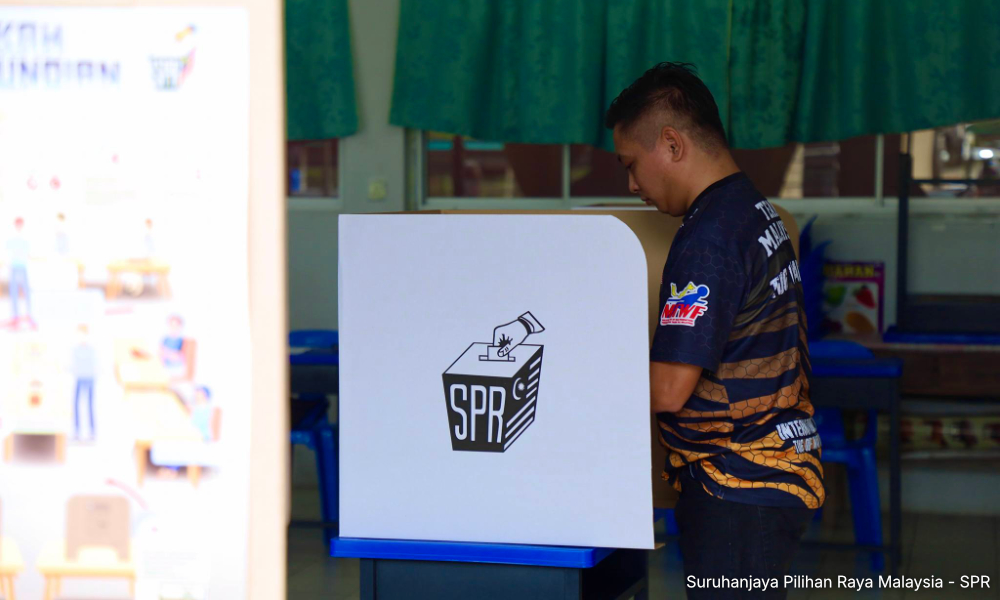
“So by the end of June, I think we can start announcing the first batch (of potential candidates),” he said.
Rafizi added that Bersama intended to deploy candidates to target areas well ahead of polling day to avoid the pitfalls of “parachute” campaigning.
Bersama will rely on organic digital campaigning, he said, indicating that strategic use of TikTok and other social media platforms will play a pivotal role in gaining support. - Mkini

No comments:
Post a Comment
Note: Only a member of this blog may post a comment.