
“In the real world, equal respect for all cultures doesn't translate into a rich mosaic of colourful and proud peoples interacting peacefully while maintaining a delightful diversity of food and craftwork. It translates into closed pockets of oppression, ignorance, and abuse.”
- Ayaan Hirsi Ali, author of “Nomad: From Islam to America: A Personal Journey Through the Clash of Civilizations”
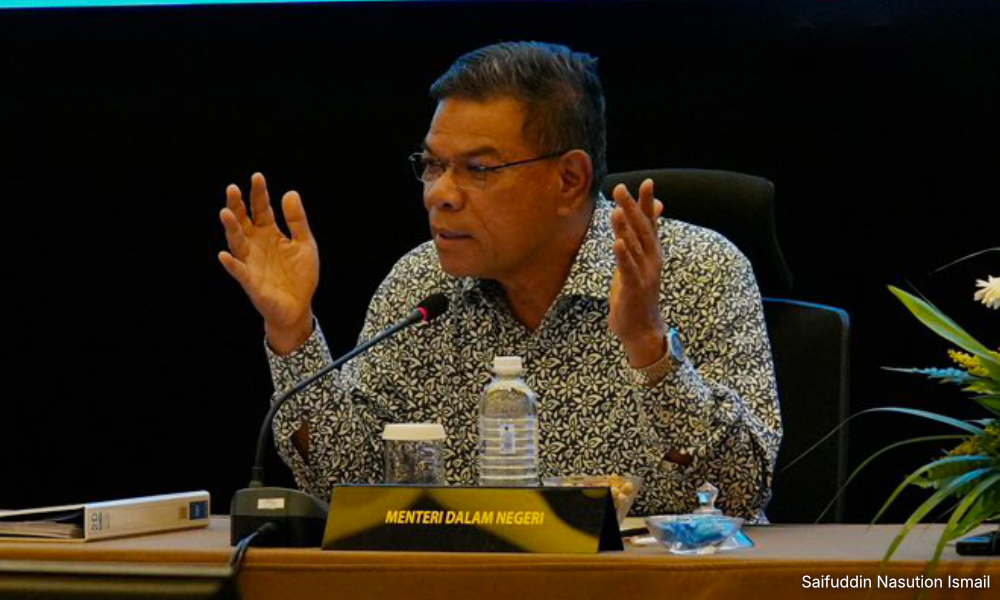
This is exactly what Home Minister Saifuddin Nasution Ismail implied when he said this of Madani’s persecution of the “Mentega Terbang” filmmakers - “(the) film advocated religious pluralism and liberalism that can cause Muslims to question their faith.”
If this is the case, did the home minister question his faith when he watched the movie? Now, if he did, then I would understand why Madani wants to persecute these filmmakers. But if he did not, then what could be the reason?
So far, no minister or religious bureaucrat has come out and openly said that they questioned their faith after watching this movie. Indeed, I wonder if anyone who made these police reports against the filmmakers did.
One of the accusations made of this film is that it encourages apostasy, but seeing how nobody in the film rejects their religion, how can any rational person claim so?
Perhaps people who make this claim are projecting.
Religious diversity
Admittedly, I am confused. Malaysia is a religious plural society, so how exactly is it wrong to promote religious plurality?
The filmmakers of “Mentega Terbang”, as reported in the press, claimed “the Federal Territories Islamic Religious Department’s full evaluation actually admitted the film is a good effort to raise public awareness of the plurality of society (masyarakat majmuk) and religious diversity (kepelbagaian agama).”
So what does this mean? Does the state not want to promote religious diversity and social harmony?

Religious pluralism and liberalism are supposed to be aspirational. If religious pluralism and liberalism are a big no-no, this is the opposite of what Rukun Negara teaches us.
We are supposed to ensure a liberal approach toward its rich and diverse cultural traditions.
So if the home minister did not question his faith, why persecute the filmmakers? Notice that people will say that their feelings are hurt, but never that they question their faith.
They will say that they are concerned that others will question their faith, but they have not done so themselves. So do they believe that everyone else's faith is weak?
Religious sensitivity has been weaponised in this country, and while the discourse revolves around how it has been weaponised against the non-Malay community, its real purpose is to turn the Malay/Muslim community into a monolithic polity, which would be easier to control.
Silencing moderate religious voices
This film is feared capable of making people question their faith, yet it is allowed to be shown at trial. Isn’t the state worried that people will question their faith even in the controlled environment of the courtroom?
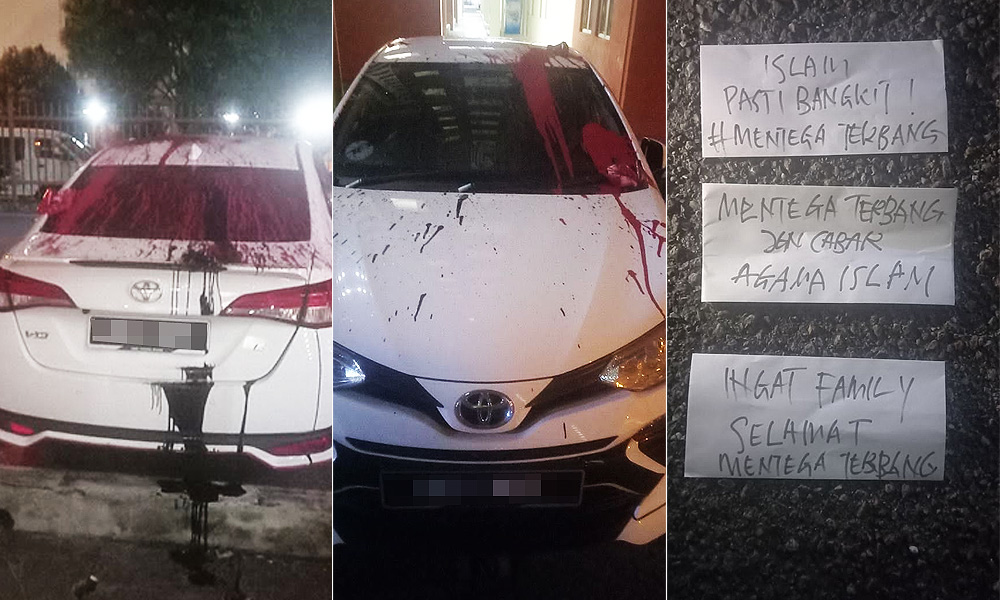
Keep in mind that filmmakers, cast and crew were threatened, and in one case, their property was damaged.
When civil society groups decried the harassment of the cast, they were missing the point. The harassment is part of a targeted campaign to silence moderate religious voices in this country.
The harassment serves as a warning to moderate believers not to speak up. It is a reminder that the sole guardians of any kind of religious inquiry are the state and state-aligned preachers.
You only have to look at Muslim culture in Malaysia before the religious bureaucracy, enabled by political cretins, took over to see how diverse it was.
You only have to look at the scholars, artists, and thinkers that the religious state goes after to understand why they want to stamp out plurality in the polity.
Alienating instead of treasuring
Do people who watch P Ramlee movies suddenly start consuming alcohol and dancing in clubs? Do they change the way they dress?
Why stop there? Apparently, Bollywood movies are popular, and so is K-pop. Do Muslims who follow these art forms suddenly change the way they dress and decide to embrace other faiths?
And what of other traditional art forms now deemed offensive to religious sensibilities?
In an interview I did with Ramli Ibrahim, he said that with the Arabisation of the Malays came the rejection of some of their own indigenous cultural practices.
“The traditional performing arts in the east coast of Peninsular Malaysia have been banned, resulting in subsequent generations not being able to continue these precious art forms,” he added.
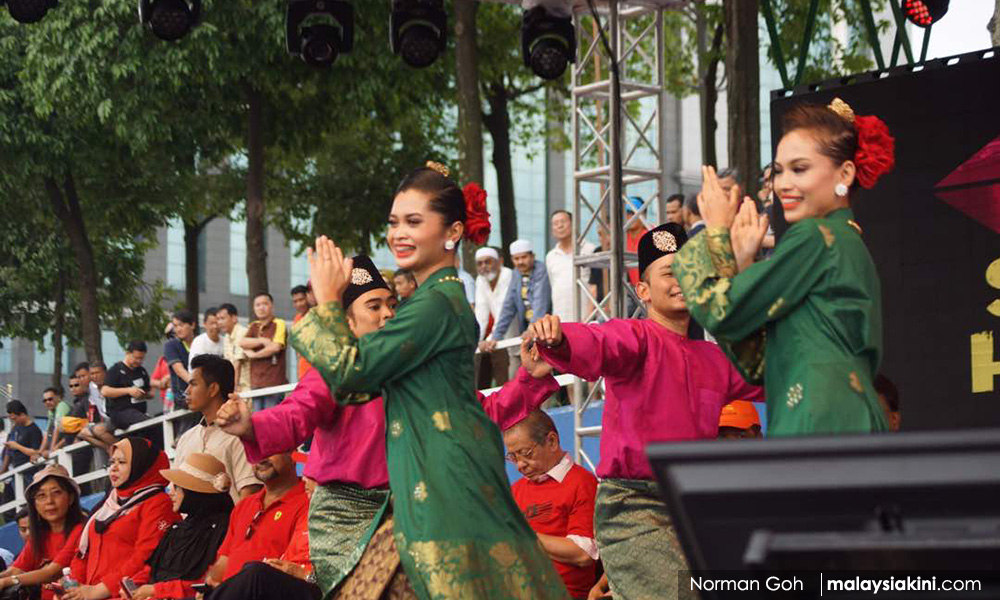
Instead of treasuring these intangible heritages of ours, they are now alienated from the very communities which once sustained these art forms.
Abandoned and looked down upon, these traditional art forms are now regarded as "against the teaching of Islam".
Imagine the diverse voices being snuffed out all over the world by theocracies or would-be theocracies.
Ultimately, these laws are designed to discourage questioning, which says a lot about Madani and the gatekeepers of the religion of the state. - Mkini
S THAYAPARAN is Commander (Rtd) of the Royal Malaysian Navy. Fīat jūstitia ruat cælum - “Let justice be done though the heavens fall.”
The views expressed here are those of the author/contributor and do not necessarily represent the views of MMKtT.
No comments:
Post a Comment
Note: Only a member of this blog may post a comment.