
Education policy and child psychology experts have voiced concerns over hasty decision-making, following Prime Minister Anwar Ibrahim’s recent move to scrap diagnostic testing for early primary school entry.
Speaking to Malaysiakini, they cautioned against “flip-flopping” based on political sentiments and urged for evidence-based policymaking, which would require careful, considerate, and transparent design and implementation.
“It is worrying that significant reforms like entry testing can be announced and retracted in a matter of days,” said Ideas Malaysia research manager Amalina Annuar.
“We are concerned that long-term education planning is becoming too susceptible to knee-jerk, populist policy shifts instead of evidence-based decision-making,” she added, emphasising the importance of a robust education policy as a long-term national investment.
On Jan 20, Anwar launched the 2026-2035 National Education Plan, which introduced several new initiatives, including giving parents the option to enrol their six-year-old children in Year One if they believe their children are ready.
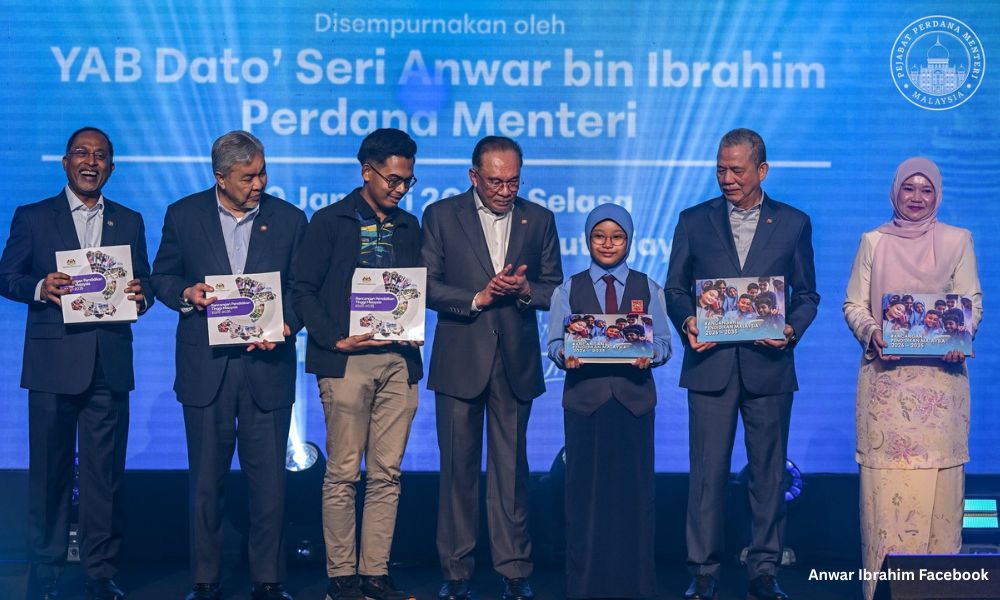
Set to begin next year, Education Minister Fadhlina Sidek initially said the implementation would be carried out in phases and involve diagnostic assessments to determine the children’s readiness.
However, a week later, Anwar announced that he would scrap the proposed diagnostic screening test following concerns that such testing could have psychological effects on children.
The prime minister nevertheless assured that the absence of a diagnostic test would not mean that monitoring pupils’ readiness would be neglected, and instead urged parents and teachers to jointly bear the responsibility through continuous observation.
Opposition MPs had criticised the U-turn, urging the government to stop “treating children like lab rats” with its inconsistent and half-baked education policies.
Policy flip-flops not new
LeapEd Malaysia managing director Nina Adlan Disney pointed out that political volatility had also driven changes in education policies in the past.
“Many of our country’s policies, especially with education, are that if something doesn’t work, then the government tends to quickly ‘flip-flop’ about it, instead of really seeing through the changes and the reforms.
“Unfortunately, sometimes our policy changes are also not data-driven and not evidence-based.
“For example, in the case of UPSR, it was initially cancelled because of Covid-19. But then, the government eventually just proceeded with abolishing it altogether,” she said.
Cautioning against further volatility, Nina urged a more robust monitoring and evaluation of the latest education plan through an independent body.
“We need an independent body to really review and to check if we are on track, and to do course correction if necessary.
“All of this has to be done early - not at the end of the 10 years and where the government eventually looks back at its implementation and decides to lament about how they did not achieve certain goals,” she stressed.
Alternatives to diagnostic testing
Despite the government’s decision to do away with diagnostic testing, clinical psychologist Jama’atul ‘Adauyah Shafiee explained that effective monitoring of children’s readiness could still be achieved through other means.
While such assessments can be a useful tool, especially in detecting learning difficulties and special developmental needs, they should not be the only tool involved to evaluate a child’s readiness for primary school, she said.
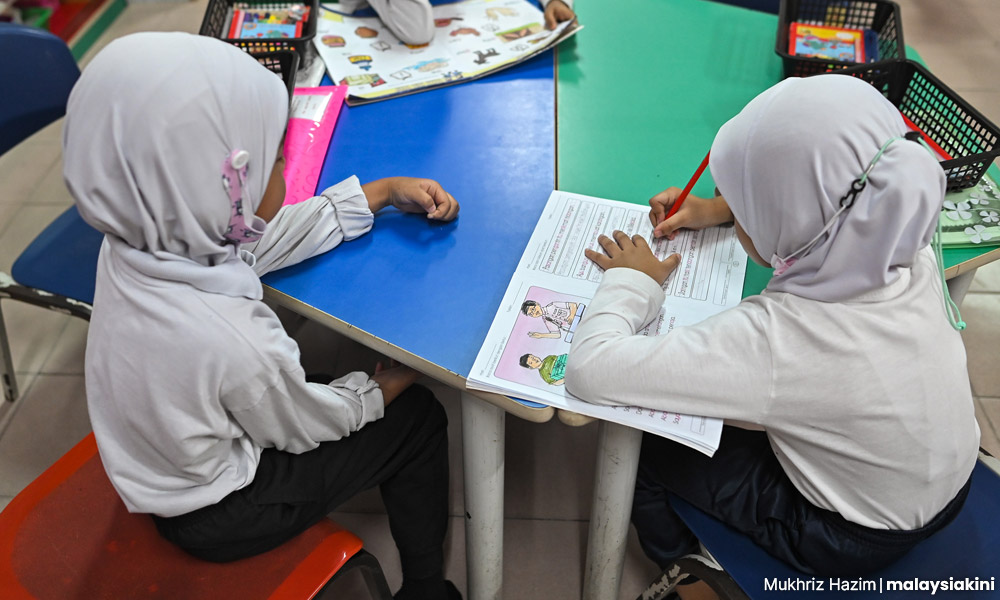
Jama’atul also stressed that such assessments should not be used to determine academic rankings or “gatekeep” early primary school entry, and reminded that, regardless, remedial lessons (Kelas Saringan Pemulihan) were still in place to help students who have fallen behind.
On six-year-olds entering primary school, she said, overall, there should be no issue as long as they are developmentally ready.
“Generally, children can recognise letters and numbers, are capable of following instructions, socialising with friends, managing basic hygiene and basic emotions by age six.
“But at the end of the day, it depends not on the age of the child, but on whether they have achieved the necessary developmental milestones, and whether our systems and infrastructures are ready,” she added.
However, she reminded that many children have also been hindered by the Covid-19 pandemic, and urged parents and teachers to consider this when assessing a child’s readiness.
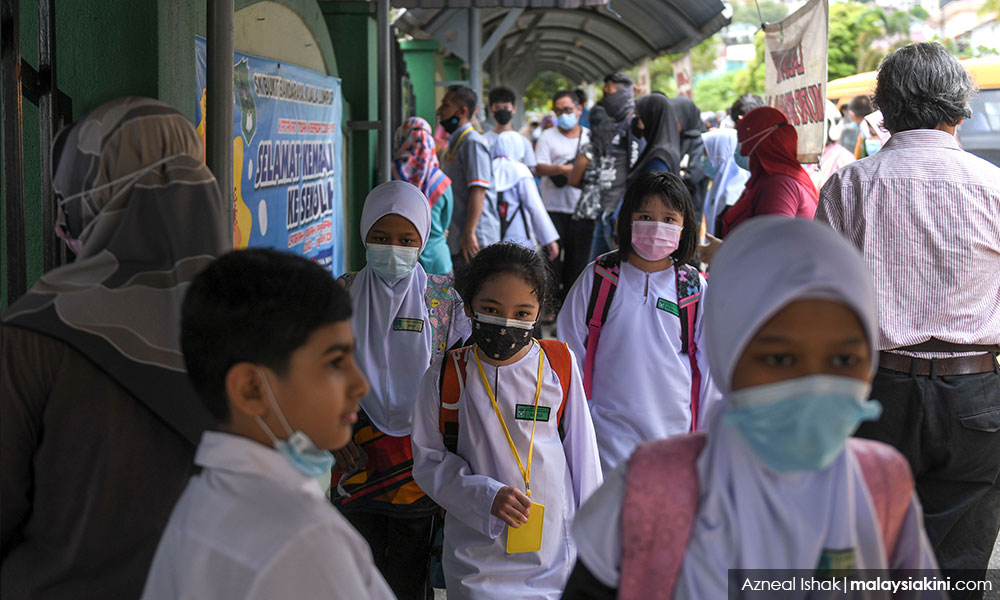
“Globally, there has also been a lot of research showing how Covid-19 lockdowns have significantly affected their motor skills, social interaction, and emotional regulation abilities.
“So in this case, formal school settings that involve sitting down for a long time, large class sizes, academic demands, and homework, might be stressful for them and not yet appropriate for their developmental levels.
“This is also a huge concern if the teachers are not keen, and if the learning environment is not adapted for younger children,” she said.
Early detection of learning abilities
Jama’atul opined that if implemented correctly, early exposure through lowering the age for primary school entry could also help detect learning difficulties and special developmental needs much earlier - especially if certain pre-schools lacked the capacity to do so.
It could also benefit students who were already developmentally advanced, allowing them to grow in more challenging environments that were appropriate to their abilities, she said.
Building on her earlier concerns, Ideas Malaysia’s Amalina warned that poor rollout without addressing other structural gaps could “worsen, instead of enhance” learning outcomes.
“Based on Ideas’ work with Orang Asli communities and children with autism, testing without the capacity to respond meaningfully through remedial support, appropriate referrals, trained teachers, and adequate classroom resources also risks adding stress and stigma.
“Early exposure does help detect special needs, but it does not have to be through formal exams. It can be done through observation,” she explained, adding that a combination of assessment tools should be used.
Poor implementation risks equity concerns
Echoing Jama’atul’s sentiments, Teach For Malaysia (TFM) also suggested that early enrolment could be used to implement targeted intervention and differentiated learning methods.
More importantly, the education equity NGO pointed out that the move could provide better opportunities for children from disadvantaged backgrounds who otherwise might not have access to quality preschools.
“From an equity perspective, lowering the entry age can benefit children and families who rely on public schools or do not have access to quality pre-school, allowing them to receive structured, regulated foundational learning through the schooling system.
“By shifting responsibility for early learning into the public schooling system, foundational education can become more accessible and consistent for children from diverse socio-economic backgrounds.
“However, the success of this policy shift will inevitably depend on how well the system is prepared to implement it,” it said.
Without proper implementation, TFM warned that such policies would only risk benefiting already-advantaged families disproportionately.
Strengthen pre-education
The experts further emphasised that lowering the age for primary school entry should not be implemented in isolation.
TFM expressed concerns that the education system was already constrained by an “uneven and limited supply of quality pre-school education,” and also noted the likely impact of “double cohorts”, warning that pressures would extend beyond 2027.
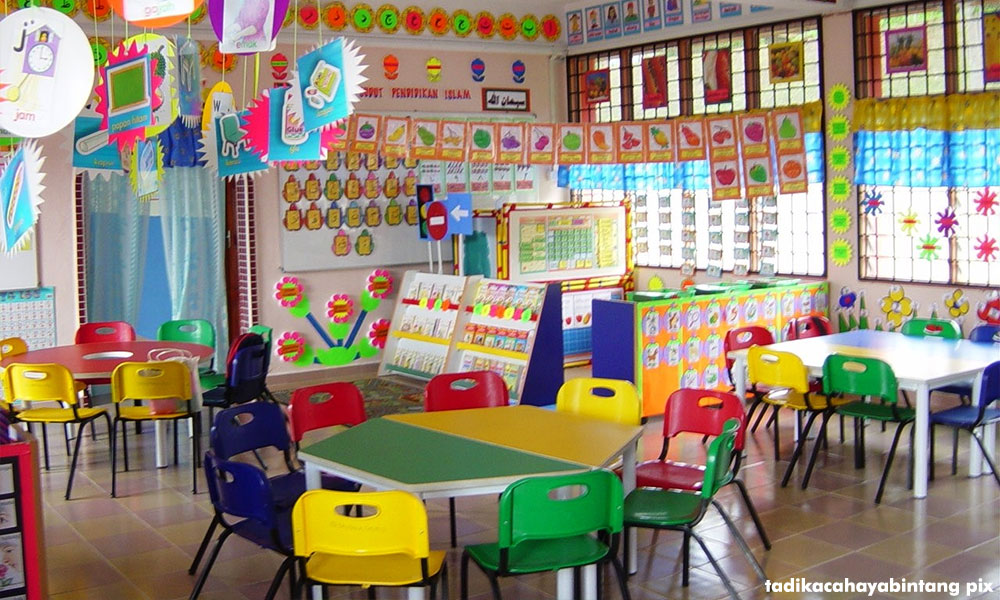
Despite welcoming the government’s additional RM800 million allocation, including plans to recruit 18,000 new teachers, they also urged closer collaboration with stakeholders to ensure a smooth rollout.
Nevertheless, they acknowledged that the 13th Malaysia Plan had already outlined efforts to strengthen the preschool ecosystem, including the introduction of a national preschool curriculum and lowering the compulsory schooling age to five years old.
They also noted that the ministry had undertaken initiatives to ensure preschool teachers meet minimum diploma-level qualifications and increase the number of public preschools.
Jama’atul supported compulsory pre-schooling at age five, explaining that such policies would expose children to a formal education setting earlier and be used to assess the child’s readiness for primary education.
“The new curriculum also aims to prepare five-year-olds to be developmentally ready before going into Year One. Hence, regardless of whether the government chooses to implement the diagnostic assessment or not, evaluation and observation can still be done in pre-schools,” the psychologist said.
However, she reiterated the need for system readiness, including infrastructure capacities, and teacher training should be prioritised before such policies are implemented.
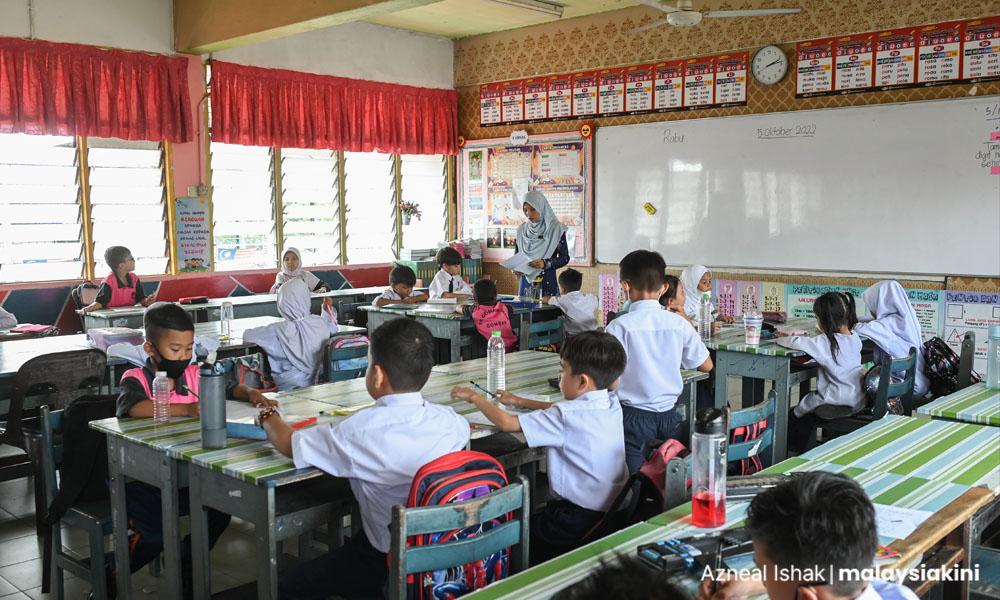
“It is not a bad policy - we just need to be clear about how it will be rolled out,” she said.
Both Jama’atul and TFM stressed that clear and timely communication would be necessary to build public trust and to reduce anxiety as well as confusion over the policy.
“Without this, there is a risk that schools, teachers, and parents will be left to navigate significant changes with insufficient guidance and support.
“Historically, large-scale education reforms in Malaysia have faced challenges in execution, so careful planning, resourcing and monitoring will be essential to ensure that the transition is effective and equitable,” TFM said. - Mkini
No comments:
Post a Comment
Note: Only a member of this blog may post a comment.