
In July 2015, when The Wall Street Journal reported that nearly US$700m (RM2.6 billion) suspected to have originated from 1MDB was deposited into then-prime minister Najib Abdul Razak’s personal bank account, his immediate reaction was: “I will sue.”
A law firm was appointed, but nothing progressed in that direction; subservient newspaper editors retreated to their cocoons, refusing to report the latest developments in 1MDB, but they had all the nice things to say about Najib and the BN government.
However, The Edge and the Edge Financial Daily were the exception, publishing chunks of information, supported by documents that, among others, showed the flow of funds, the bank transactions, and the people behind it.
But they too paid a price. Their editor-in-chief, Ho Kay Tat was arrested, and both publications were suspended for three months.
Then came the night of the long knives. Attorney General Abdul Gani Patail was marched out of his office, and the three top officials of the MACC – Abu Kasim Mohamed, Shukri Abdull, and Mustafar Ali were removed.
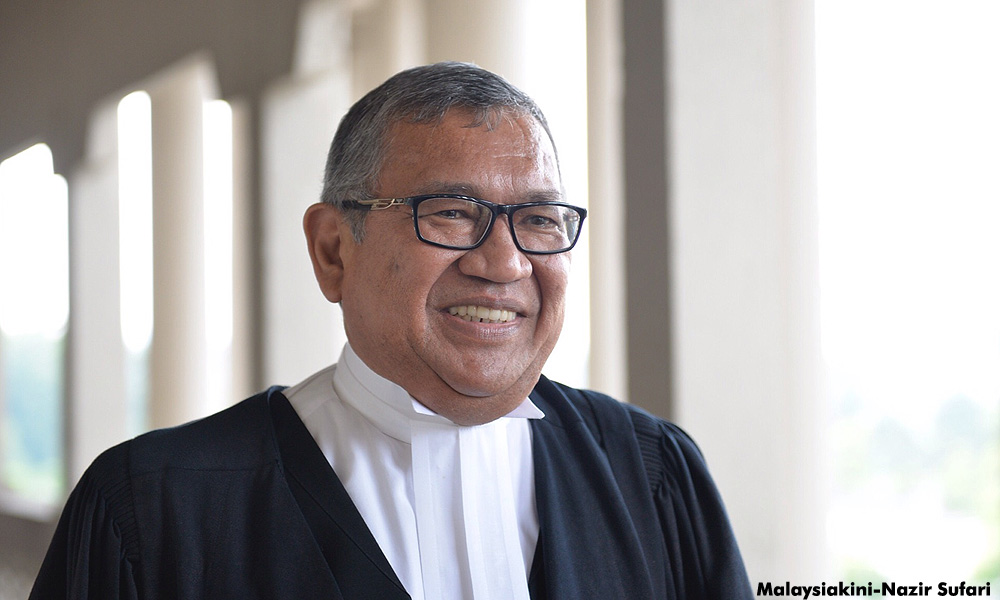
Then-deputy prime minister Muhyiddin Yassin and minister, Shafie Apdal, were sacked for questioning Najib and his connection to the 1MDB funds.
The non-nonsense chairperson of the Public Accounts Committee (PAC) was “promoted” and replaced by yet another MP who ordered portions of its findings be redacted.
Then came the bombshell. On Jan 26, 2016, then-attorney-general Apandi Ali, who had replaced Gani, announced that he had cleared Najib of any wrongdoing in the 1MDB and SRC International cases.

"Based on the facts and evidence as a whole, I, as the public prosecutor, am satisfied that the prime minister has committed no criminal offence in relation to the three investigation papers.
"I will return the relevant investigation papers to MACC today, with the instruction to close the three investigation papers," he added.
Najib exonerated himself, saying that the AG’s findings affirmed his repeated assertions that "no crime was committed".
“The issue has been an unnecessary distraction for the country. Now that the matter has been comprehensively put to rest, it is time for us to unite and move on," he said.
Same script, different administration
Fast forward to last week. The déjà vu is unmistakable. Former MACC chief Latheefa Koya called it “the same playbook” - furious denials, threats of criminal action against news outlets.
It is a repeat of those bad days. Although not identical, the similarities are conspicuous.
Some background: On Feb 10, Bloomberg reported that MACC chief commissioner Azam Baki owned 17.7 million shares in financial services company Velocity Capital Partner Berhad - about a 1.7 percent stake – believed to have been bought for around RM1.5 million.
It breaches the Public Officers’ Conduct and Disciplinary Management Circular, available on the Public Service Department’s website, making this crystal clear.
Under Rule 17(b) of the circular, civil servants cannot purchase more than RM100,000 worth of shares in any single company, making Azam's holdings far in excess of the limit.
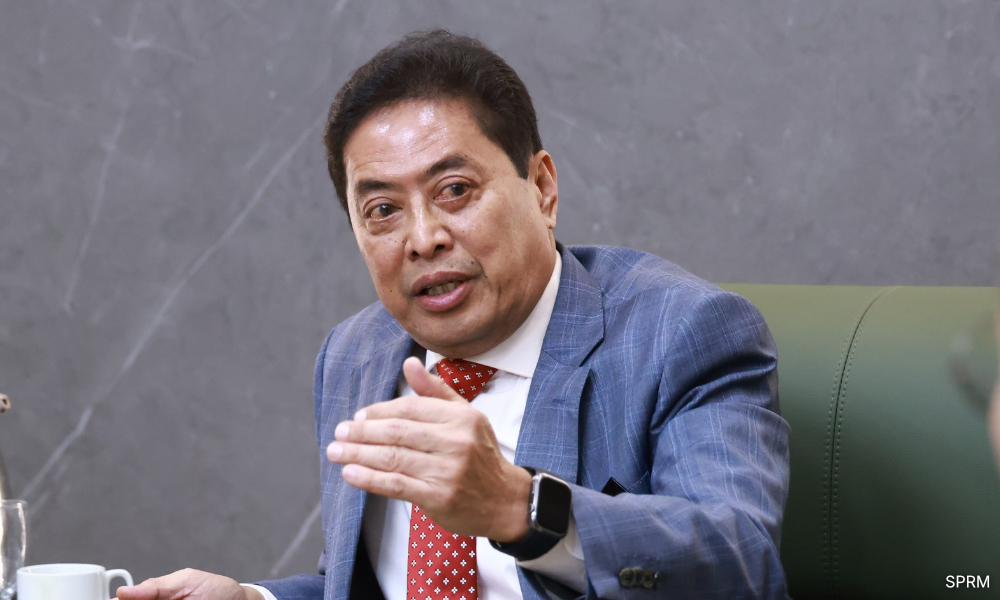
Azam has denied any wrongdoing and subsequently told the New Straits Times that the shares had been properly declared through the Public Service Department's Human Resource Management system.
Two days later, Bloomberg dropped even a larger bombshell: The MACC, including its higher-ups, colluded with businesspersons in schemes to muscle out rivals and stage corporate takeovers.
According to the report, a small group of businesspersons had been employing a strategy in which they express an interest in a target company, then lodge MACC complaints against it.
MACC subsequently launches an investigation into the company’s founders and exerts pressure that enables those who filed the reports to gain access to and control over their intended targets.
It said eyewitnesses, including MACC insiders, alleged that some of the businesspeople or their proxies were even at the graft busters' offices when their rivals were brought in for questioning.
Anyway, Azam said he is suing Bloomberg, but it is not immediately clear if the papers have been served.
(For the record, Azam also sued journalist Lallitha Kunaratnam after she wrote about his shareholdings in 2021. But the act of bravado and the loud noise that followed whittled down to zero - he withdrew the action.)
‘Restricted probe’
The government now set up a three-man committee to look into the claims made by Bloomberg.
But on Feb 15, Attorney-General Dusuki Mokhtar, who heads the committee, said he would only look at the shareholding issue, with no mention of the allegations that MACC officers had colluded with private individuals to strong-arm business rivals.
Why the restricted investigations? Are we to assume that the government is not concerned that a “mafia” operates within the walls of the MACC building and corporate takeovers are being engineered?
Isn’t the government bothered that the report has damaged the country’s reputation? More importantly, are Prime Minister Anwar Ibrahim’s repeated calls for integrity and the rule of law merely slogans, destined to join the graveyard of forgotten reformist promises?

Why the restricted investigations? Are we Malaysians and would-be investors to believe the government is unconcerned that a “mafia” may be operating within MACC’s walls, engineering corporate takeovers under the guise of anti-corruption?
Isn’t the government troubled that such revelations tarnish Malaysia’s reputation?
And what of Dusuki, who also serves as public prosecutor? When he sits on the committee, which hat does he wear? The dual role is not just awkward - it reeks of conflict of interest.
When referee is also the player
It is precisely this blurring of lines, where the referee is also a player, that corrodes public trust. If the arbiter of justice is simultaneously the government’s defender, how can Malaysians expect impartiality?
Malaysia has seen this playbook before: denial, distraction, and selective enforcement. The script is familiar - silence the critics, narrow the scope of inquiry, and declare the matter “settled”.
But each repetition deepens cynicism and erodes the credibility of institutions meant to safeguard integrity.
The question now is whether Anwar’s administration will finally break the cycle, or whether history will once again repeat itself - this time with MACC itself as the scandal’s protagonist.
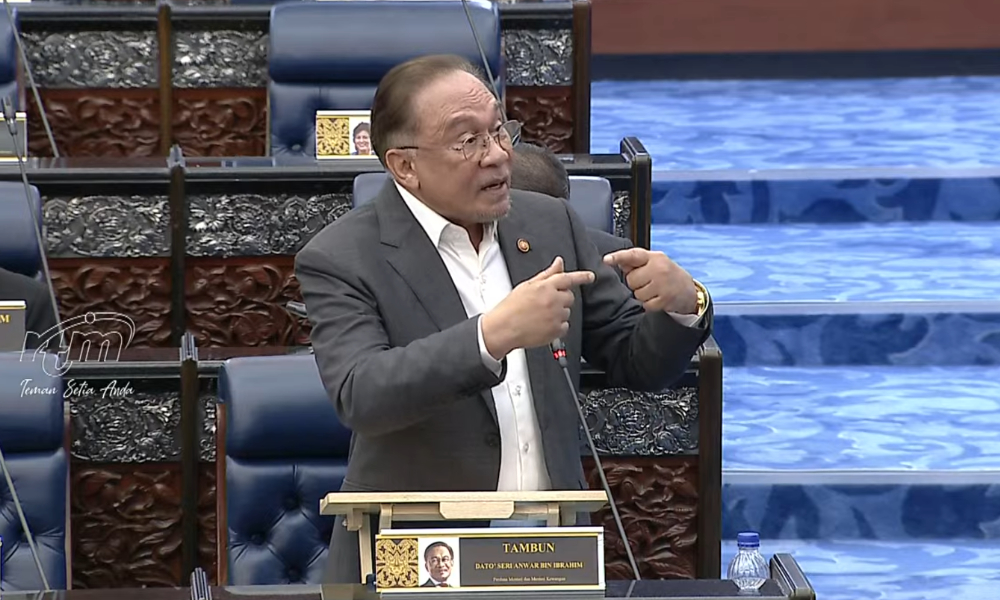
If the government chooses containment over confrontation, if it opts for cosmetic probes instead of structural reform, then the promise of Malaysia Madani risks becoming just another slogan, hollowed out by the very corruption it claims to fight.
The stakes are not abstract. They are reputational, economic, and moral. Investors watch, citizens judge, and the world takes note.
If Malaysia cannot clean house at its premier anti-corruption agency, then what hope is there for the rest of the system?
Integrity cannot be outsourced, nor can it be selectively applied. Either the government confronts the rot head-on, or it concedes that the rot has already won. - Mkini
R NADESWARAN is a veteran journalist who strives to uphold the ethos of civil rights leader John Lewis: “When you see something that is not right, not fair, not just, you have to speak up. You have to say something; you have to do something.” Comments: citizen.nades22@gmail.com.
The views expressed here are those of the author/contributor and do not necessarily represent the views of MMKtT.
No comments:
Post a Comment
Note: Only a member of this blog may post a comment.