
The Kuala Lumpur and Selangor Chinese Assembly Hall (KLSCAH) expressed concern over the Selangor government’s decision to withdraw plans for a new pig farming project in Bukit Tagar.
In a statement yesterday, the NGO urged authorities to adopt a more balanced and long-term approach to the transformation of the pig farming industry.
While acknowledging that environmental and public health issues arising from pig farming must be addressed, KLSCAH said it would be inconsistent with principles of scientific governance and sustainable development to hastily abandon the concept of centralised and modernised pig farming facilities.
It also cautioned against a blanket reversal of existing policies without a comprehensive evaluation.
The Selangor pig farming issue has been a contentious one. Selangor ruler Sultan Sharafuddin Idris Shah said he does not consent to pig farming being carried out in any district in the state, citing pollution and limited land resources.
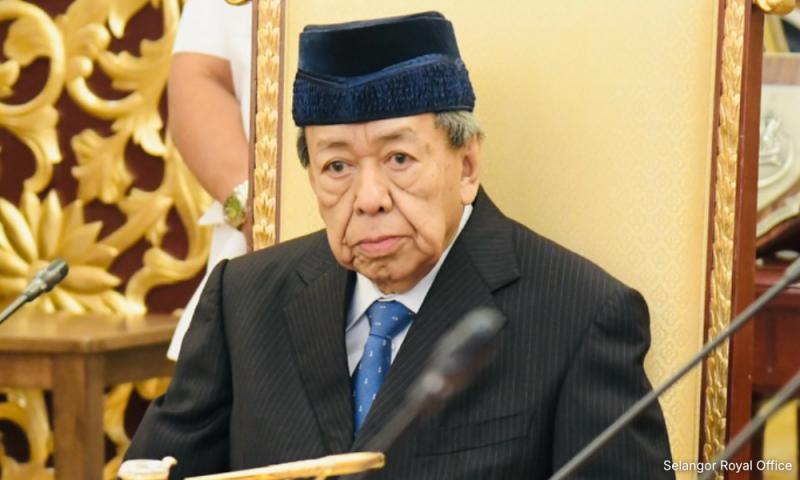
Instead, the ruler suggested that the government issue licences for the importation of pork to meet the demand and needs of non-Muslims, particularly the Chinese community, in Selangor.
“His Royal Highness emphasised that this pig farming issue should be halted and finalised, as it causes anxiety to all parties and affects peace and social harmony.
“Therefore, all parties are urged to respect His Royal Highness’ decree and together safeguard unity and harmony in this state,” read a statement by the Selangor Royal Office on Feb 10.
The ruler's statement also referred to Prime Minister Anwar Ibrahim’s statement suggesting that the state government cancel the large-scale pig farming project in Bukit Tagar, Hulu Selangor district.
Last month, the Selangor government decided to put on hold its proposed centralised pig farming project in Bukit Tagar, following protests from residents in nearby areas.
Following the royal decree, the Selangor government announced today it will no longer issue pig farming licences and will progressively close existing farms.
“Since January, the state government has halted the issuance of pig farming licences and has focused on clearing existing farm sites in Tanjong Sepat in line with the decree of His Royal Highness (Selangor ruler Sultan Sharafuddin Idris Shah),” Selangor Menteri Besar Amirudin Shari said in a statement issued after chairing the state executive council meeting.
Phased restructuring
KLSCAH said it respected the royal's decree and understood its intent to safeguard the environment and public well-being.
“However, pollution problems linked to certain pig farms stem primarily from longstanding regulatory shortcomings, outdated infrastructure and a lack of technical and financial support, rather than from the pig farming industry itself being inherently unmanageable.
“With advances in modern livestock technology, environmental risks can be significantly reduced through proper waste treatment systems, wastewater recycling and biofiltration mechanisms.
“All forms of livestock farming may generate odour and environmental impacts, and the government should not single out the pig farming sector or resort to sweeping closures,” it said.

The group, therefore, proposed a phased restructuring of traditional farming areas alongside a structured transition plan to help farmers relocate to centralised facilities that meet environmental standards.
“Such efforts should be supported by technical assistance and financial aid, with strengthened regulation replacing outright prohibition,” it added.
“Abruptly reducing local pig farming capacity without comprehensive transition measures would severely affect farmers’ livelihoods and could lead to higher pork prices, thereby increasing the financial burden on consumers.”
It also emphasised that policymaking in this area must adhere to principles of fairness and constitutional spirit and should not be influenced by racial or religious bias. Policies, it said, must not be used to deprive Malaysian Chinese citizens of their constitutionally guaranteed right to equality before the law.
KLSCAH called on the government to draw on international experience in the scientific management of centralised pig farming, striking a balance between environmental protection, public health and industry development.
It urged authorities to chart a path that enables the pig farming sector to progress towards sustainability and modernisation in tandem. - Mkini
No comments:
Post a Comment
Note: Only a member of this blog may post a comment.