Kampung Chempaka in Petaling Jaya reflects the true meaning of the festivities - that of hope and forging new beginnings with family.
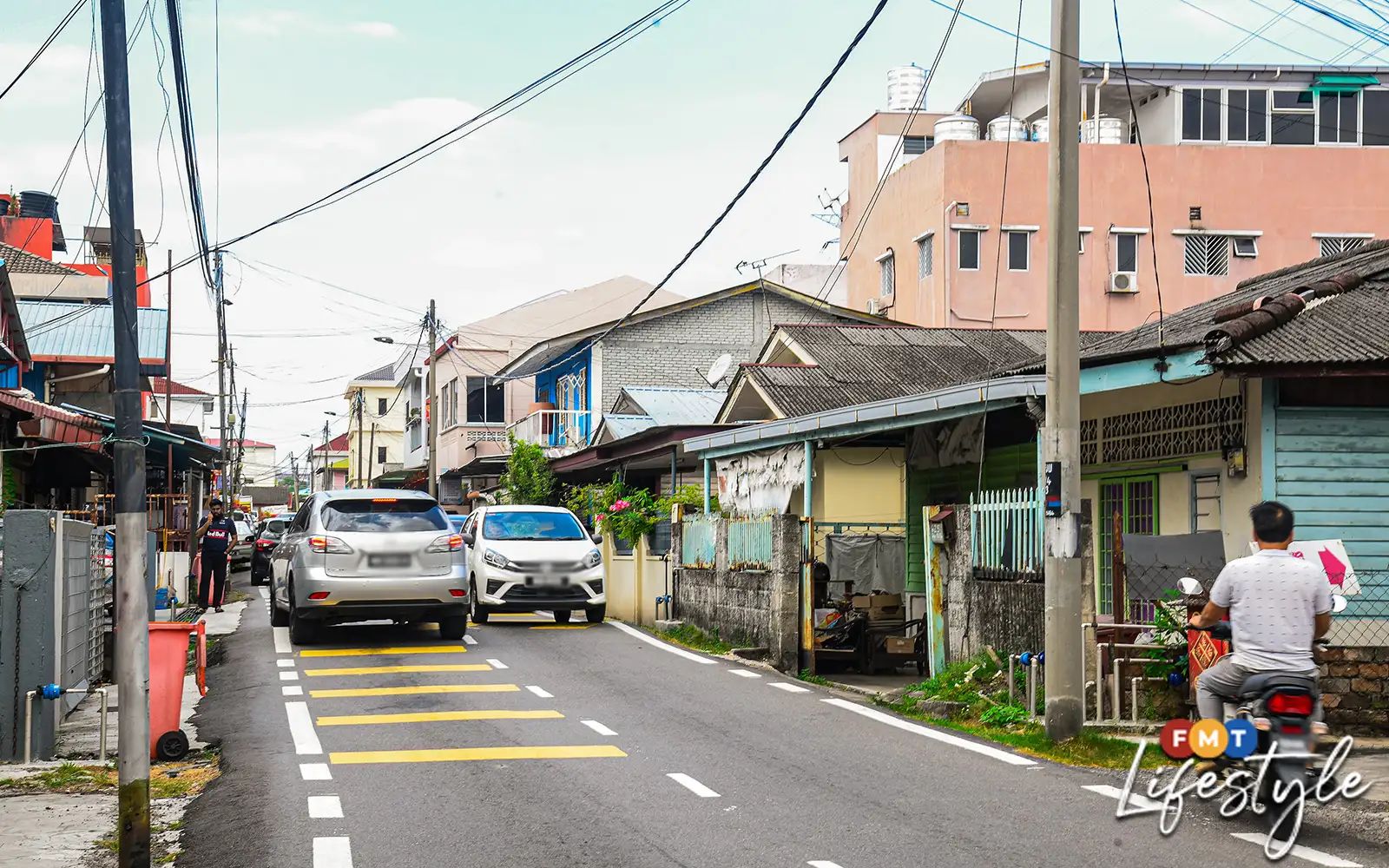
Wooden houses, weathered by time, line narrow streets. Motorcycles zip past as neighbours pause to chat and old men linger over coffee at a kopitiam.
Come Chinese New Year, the predominantly Chinese village takes on a festive glow as red lanterns sway from lamp posts and festive songs fill the air.
But the first families in the village – believed to have been established in 1969 – remember a time when the season arrived without fanfare. Life, then, was hard.
Tang Ah Tuck, 78, moved here with his family in 1970. “The roads weren’t tarred. It was very inconvenient. Initially, there wasn’t even a bus coming into the village,” he said.
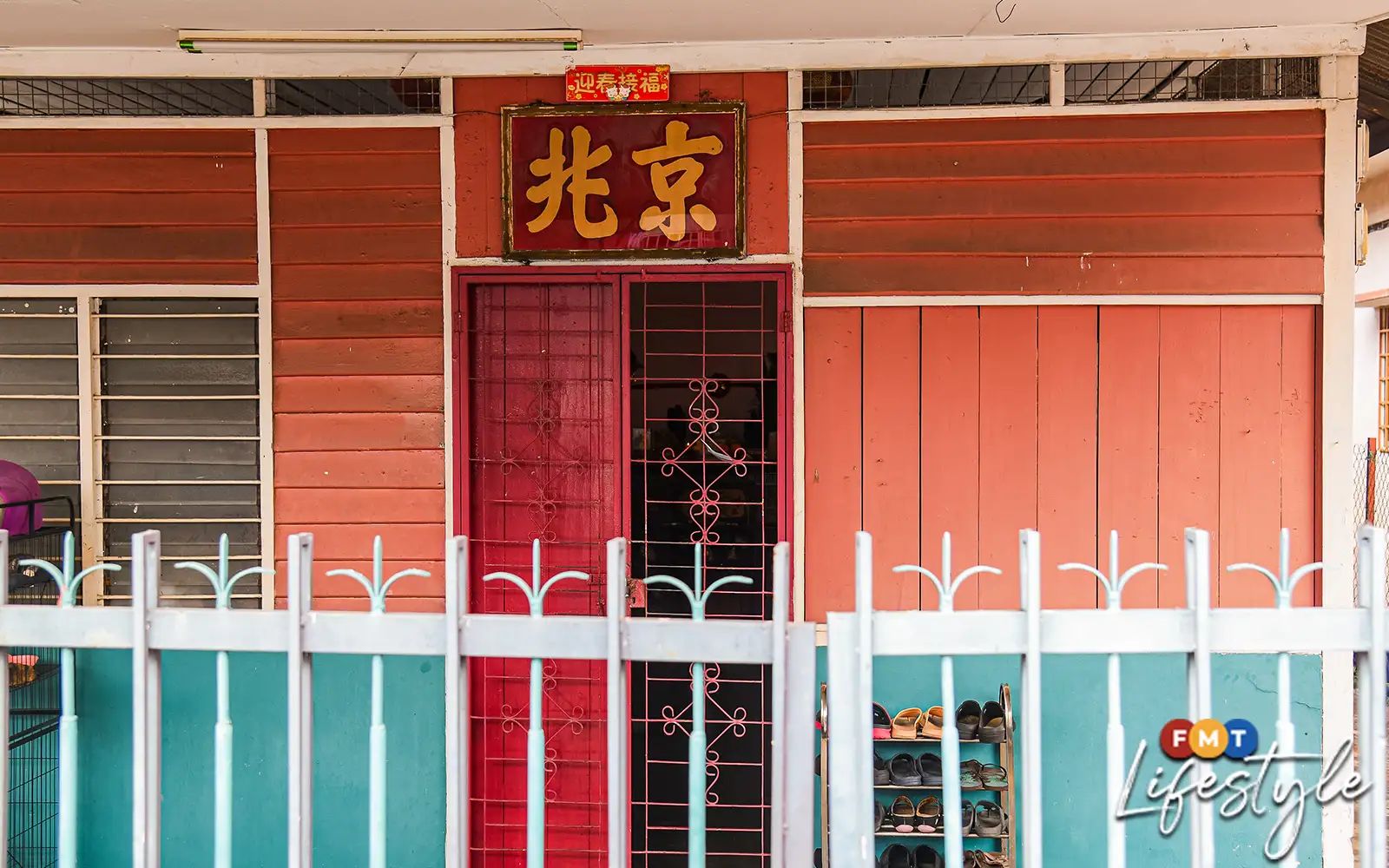
Tang’s first Chinese New Year, in 1971, passed quietly. There was no lion dance, he recalled, but there were firecrackers ringing out, marking the season with the promise of something new.
Others who arrived around the same time remember those years the same way. One of them is Chan Sik Chew @ Chan Yuen Nooi.
“I didn’t like living here back then as there was no running water or electricity,” recalled Chan, 79.
With no shops nearby, Chan would travel all the way to Kuala Lumpur to buy canned drinks for Chinese New Year.
Still, the Lunar New Year brought people together. Neighbours went from house to house, and children squealed over red packets, no matter how small the money inside. Bonds were forming, not just in the festive season, but in everyday life.
Villagers relied on ponds or a nearby river for water. But those with wells in their homes opened their doors, turning necessity into moments of connections. Over time, the village began to feel like home.
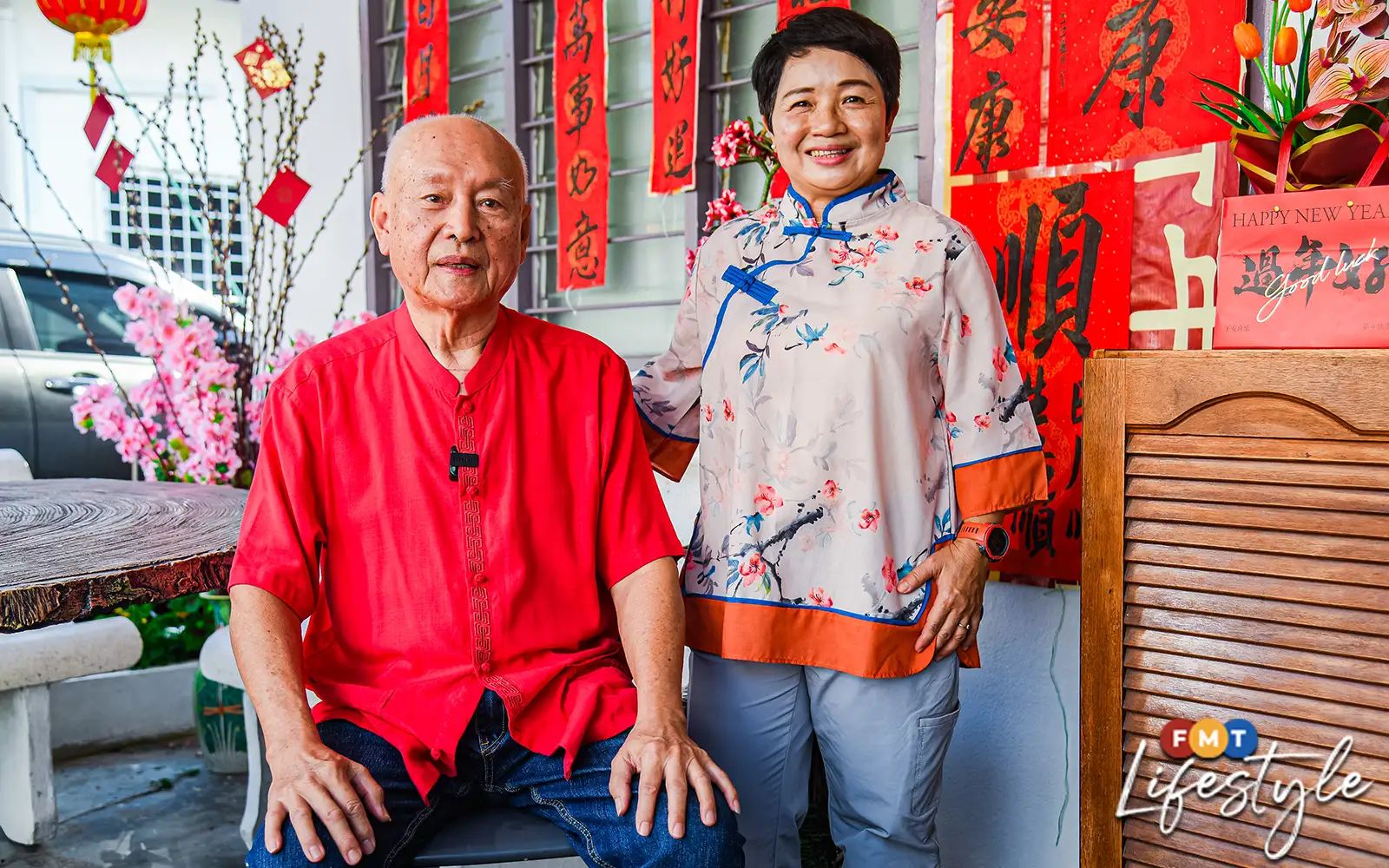
The next generation feels this way too. Chan’s daughter, Chia Foong Ping said: “Even today, if it rains and I’m out, I can call my neighbour to help bring in the clothes drying outside,” said the 60-year-old.
Theresa Lim, the village head, understands this way of life intimately. She moved here with her family in 1969 and grew up among neighbours who looked out for one another.
“Even today, if my neighbours eat something delicious, they share it with us. If they cook a soup, they share that too. In the city, you don’t find this kind of closeness anymore,” said Lim, 56.
Today, Lim works hard to keep those ties strong. Under her watch, community activities fill the village’s calendar, from festive gatherings to “gotong-royong”.
During Chinese New Year, she organises a village-wide celebration. Even those who have moved away, she said, make their way back.
“I feel very happy and proud that we can come together like one family. We eat together. We sing together. It’s something that I don’t see elsewhere. In Kampung Chempaka, we are very close,” said Lim.
For the third generation, Chinese New Year in Kampung Chempaka carries a quieter meaning – not shaped by hardship, but by the sense of belonging that has been passed down.
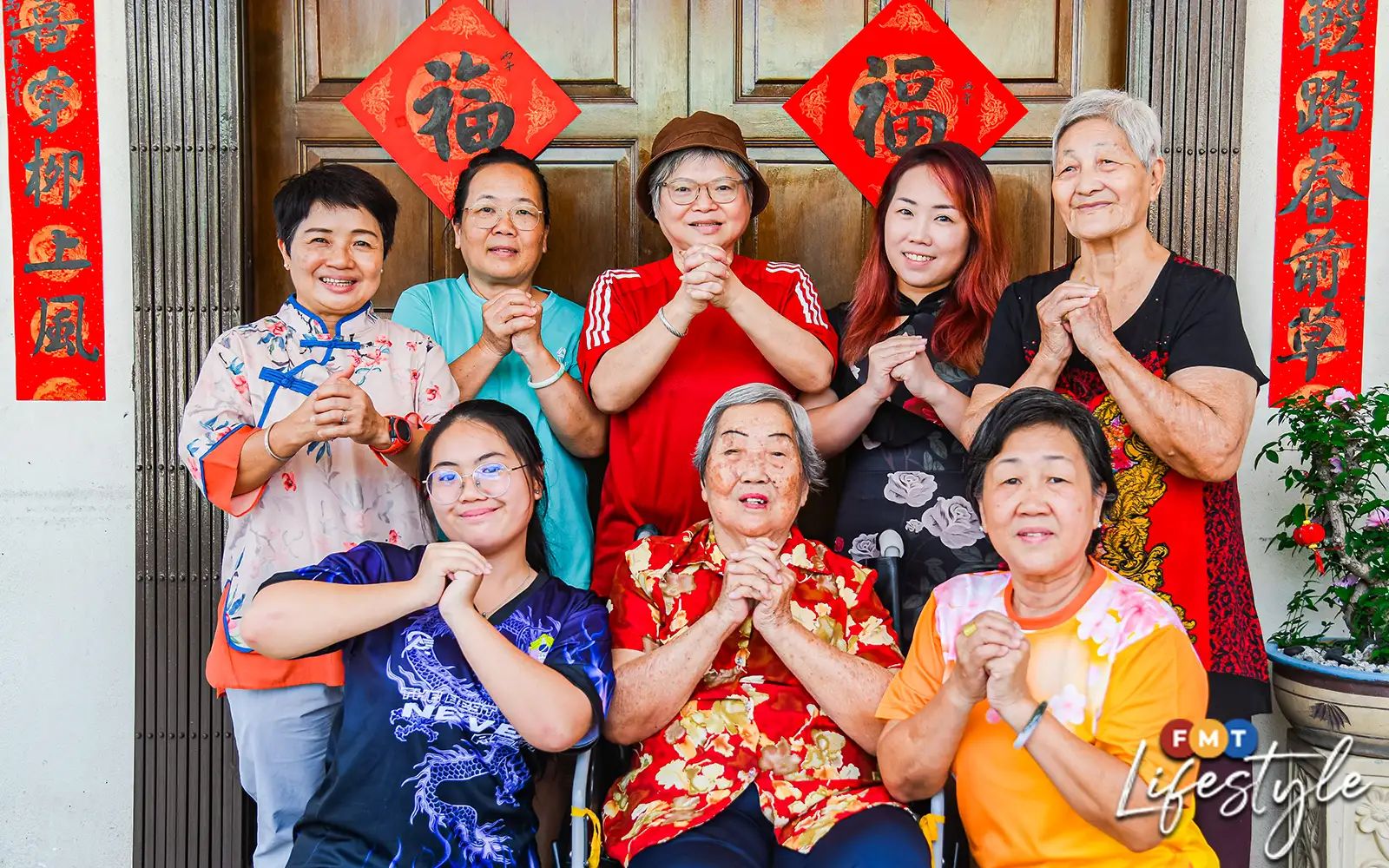
For Chan’s granddaughter, Avril Chia, the village is where her family gathers every Chinese New Year, something she looks forward to.
Although she doesn’t live in Kampung Chempaka, she has a part-time job here and still feels its sense of community. “The people here are very kind and helpful,” said the 17-year-old.
“I feel proud that my family has strong ties to Kampung Chempaka,” Avril added.
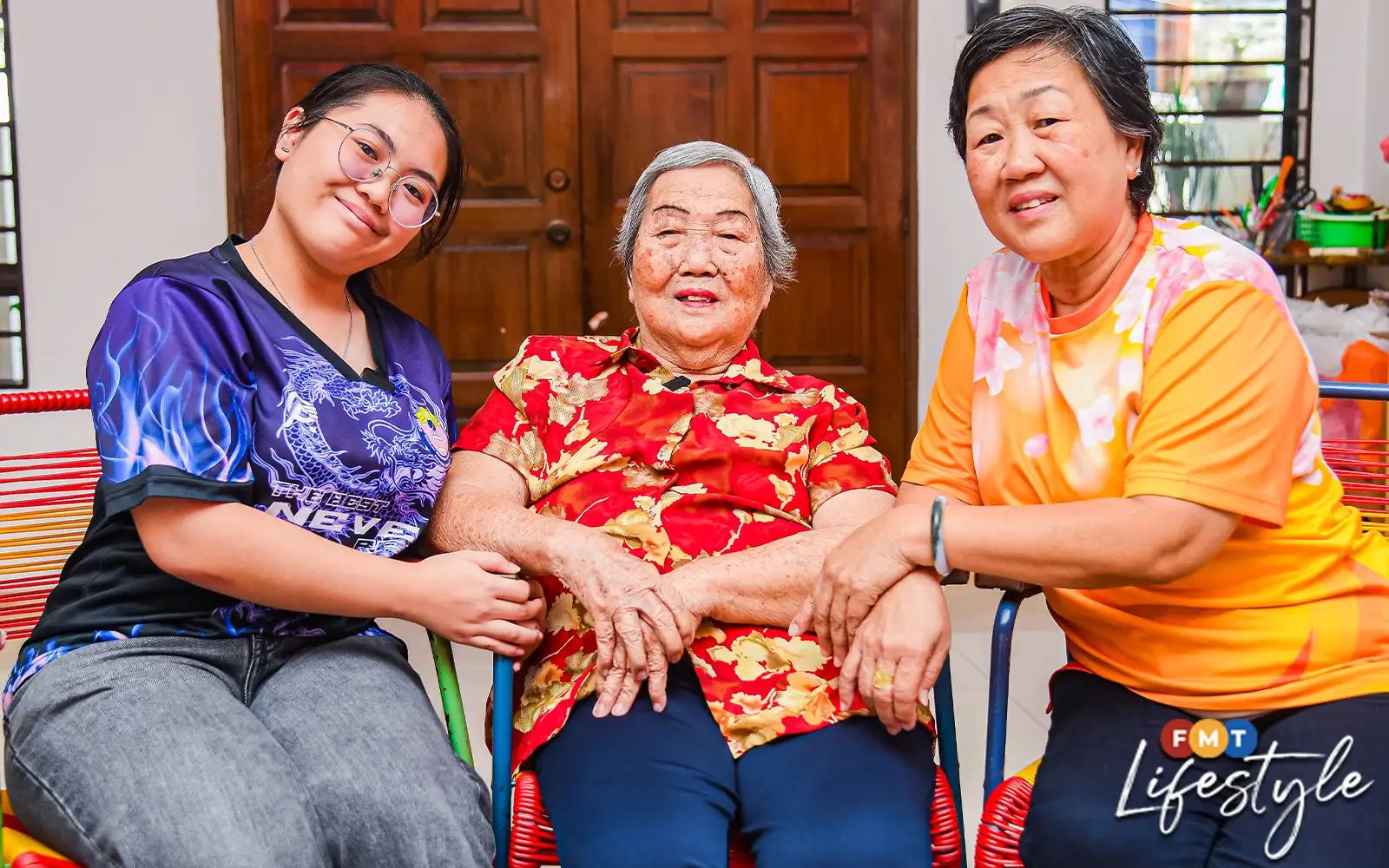
Indeed, life in Kampung Chempaka may have begun with hardship. But over time, the villagers here turned it into a home and learnt to depend on each other.
What sets the village apart today is not only how it has preserved its kampung character in the city, but how it has also held on to something rarer – a strong sense of community.
Kampung Chempaka embodies the meaning of Chinese New Year, where new beginnings are shaped by hope, family and bonds passed from one generation to the next. - FMT
No comments:
Post a Comment
Note: Only a member of this blog may post a comment.