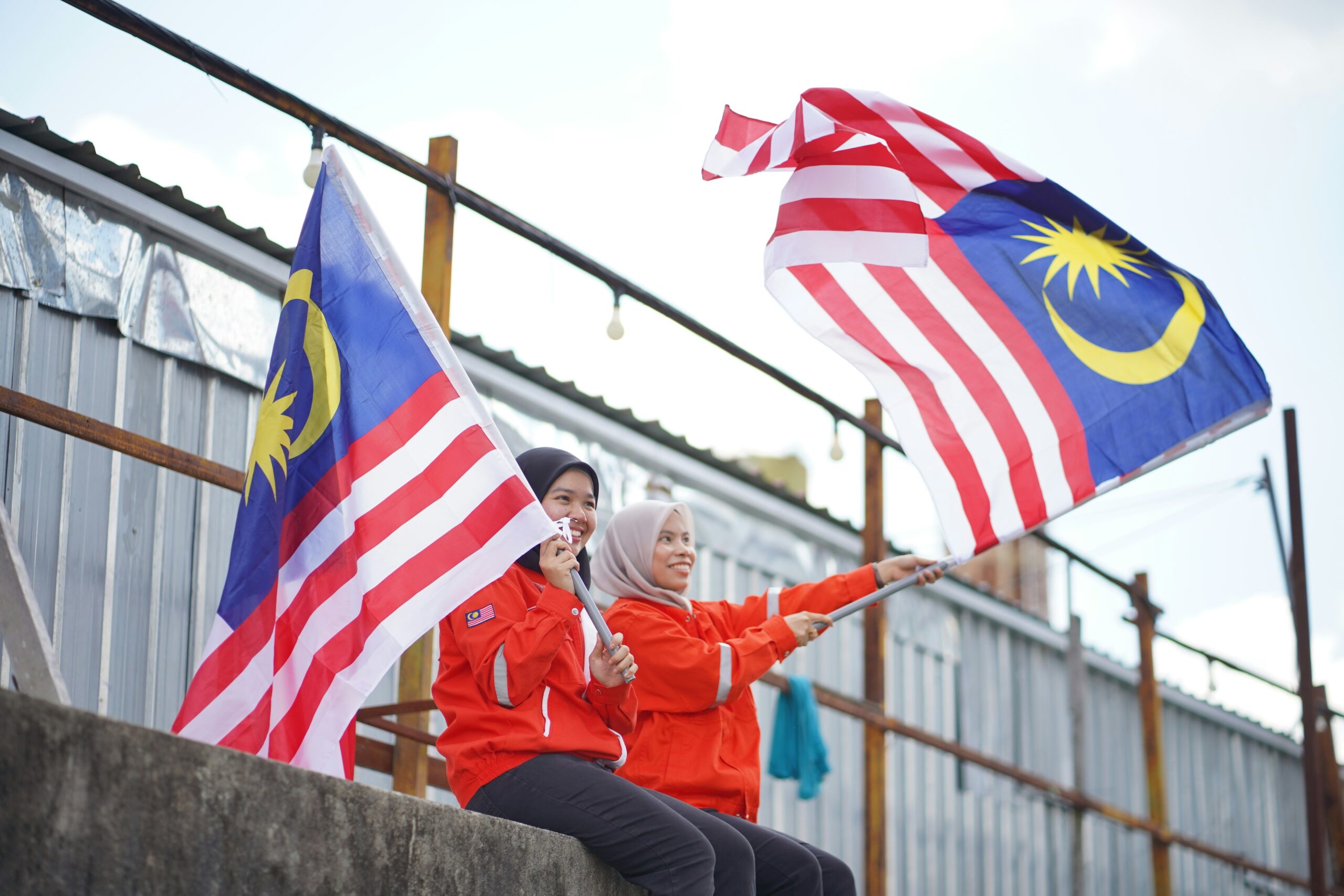
MALAYSIA today feels calmer than it did during the years of political instability that followed the Sheraton Move.
Prime ministers are no longer changing overnight, investor confidence has improved, the ringgit is more stable, and major foreign investments are returning. Recent budgets also appear more structured and credible than in previous years.
These are meaningful improvements, and the Madani government deserves credit for restoring a degree of political and economic stability.
But stability alone is not the same as transformation.
The more uncomfortable question Malaysians must ask is whether the country is genuinely improving at a deeper level, or whether we have simply become better at presenting incremental progress as major reform.
A country cannot be measured only through investment figures, official slogans or optimistic press conferences. It must also be judged by how people feel about their future.
Do citizens trust institutions? Do they believe hard work is still rewarded fairly? Do they feel united by a shared national purpose, or merely coexisting uneasily beside one another?
This is where the government’s greatest challenge lies.
Economically, Malaysia may indeed be in a better position than during the years of political chaos. But socially and institutionally, many long-standing problems remain unresolved.
Race continues to shape much of political and public life. Religious tensions still surface regularly. Debates about meritocracy, identity and rights remain deeply divisive.
At the same time, many talented young Malaysians continue to look abroad for better opportunities, while public trust in institutions remains fragile.
If this is progress, why do so many Malaysians still feel exhausted and disillusioned?
Perhaps the country’s biggest challenge is no longer purely economic, but cultural and political. Malaysia does not simply suffer from policy problems; it also struggles with a deeper crisis of political maturity.
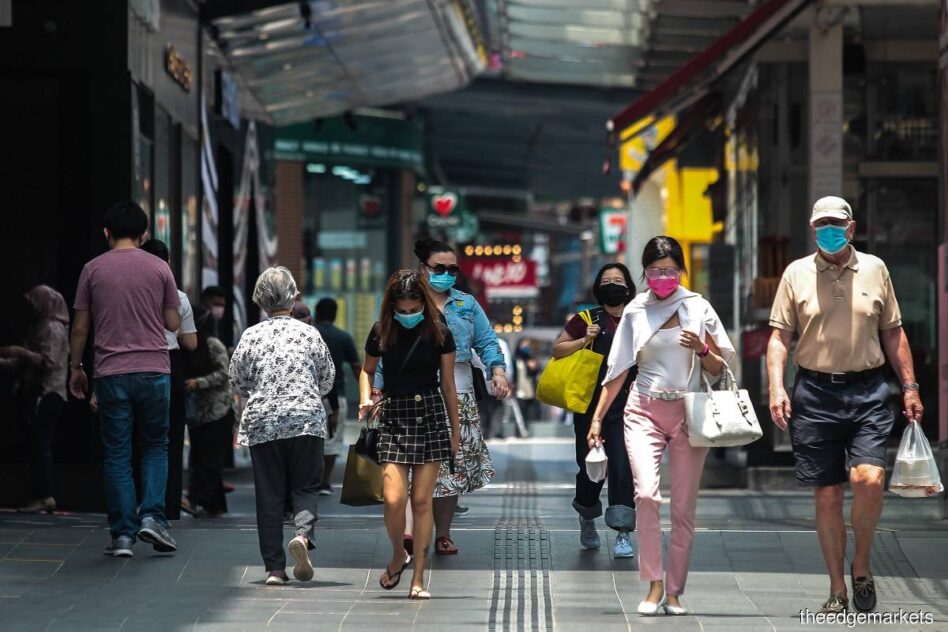
Every administration has introduced its own national slogan and vision. Vision 2020, Islam Hadhari, 1Malaysia, Keluarga Malaysia, and now Madani.
Yet despite the changing branding, many underlying problems persist: racial insecurity, distrust, identity politics and weak institutional confidence.
To be fair, Prime Minister Datuk Seri Anwar Ibrahim inherited a deeply fractured political landscape. Public trust had deteriorated significantly, coalition politics had become unstable, and social tensions were increasingly amplified through race and religion.
Restoring stability under such conditions is not a small achievement.
But “less chaotic than before” cannot become the country’s long-term benchmark for success.
Malaysia cannot continue celebrating survival as though it were excellence.
The deeper problem is that many Malaysians still approach national issues through rigid communal and ideological silos: Malay versus non-Malay, Muslim versus non-Muslim, urban versus rural, liberal versus conservative.
Identity politics continues to dominate national discourse at a time when the world is rapidly changing.
While other countries focus on innovation, technological development and long-term competitiveness, Malaysia still spends enormous energy arguing over race, religion and political tribalism.
No prime minister alone can solve this problem if society itself refuses to evolve.
Malaysia is not lacking in resources, talent or potential. The country’s greatest risk is internal fragmentation—a failure to develop the trust, cohesion and political maturity necessary to move forward together.
The real reform Malaysia needs is not only economic or political. It is a deeper transformation in how Malaysians see one another, engage with differences, and imagine the country’s future as something shared rather than divided along communal lines.
KT Maran is a Focus Malaysia viewer.
The views expressed are solely of the author and do not necessarily reflect those of MMKtT.
- Focus Malaysia.
No comments:
Post a Comment
Note: Only a member of this blog may post a comment.