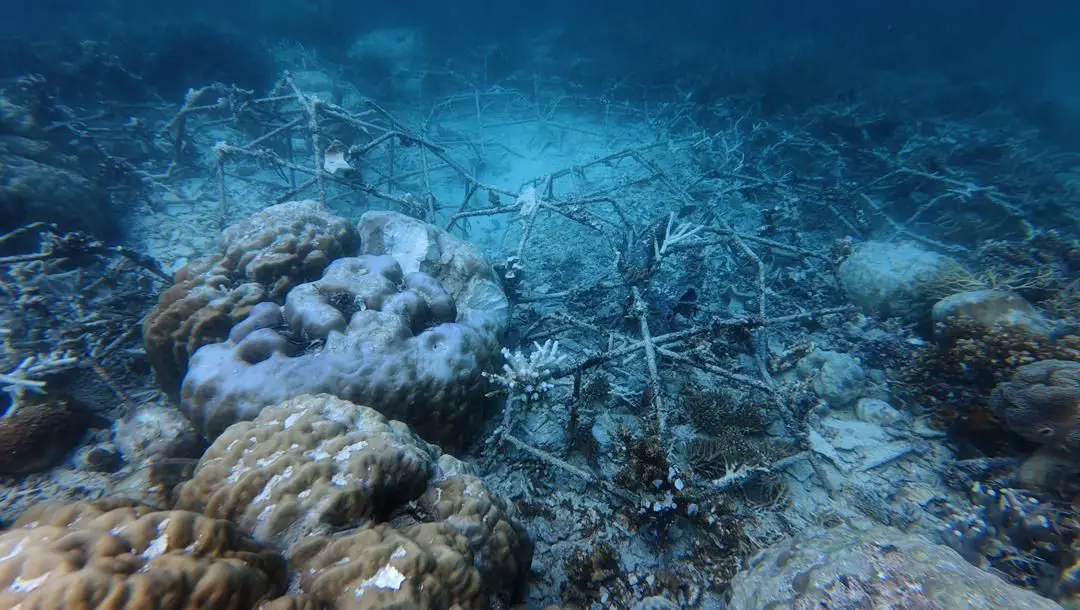
KOTA KINABALU: The Sabah government has vowed to take firm action against the individuals behind a fish bombing incident at a coral reef restoration site in Pulau Selakan, under the Tun Sakaran Marine Park (TSMP) in Semporna.
State Tourism, Culture and Environment Minister Datuk Jafry Ariffin said he has ordered the Sabah Parks management to review and strengthen strategic measures to step up enforcement operations, including asset and logistics deployment.
“I have also asked them to use the latest technology available, such as drones, as well as increase the presence of enforcement teams in high‑risk areas to improve control and protection in the marine park,” he said on Monday (May 25).
Jafry added that the state government would not compromise on any form of intrusion or activity that threatens the sustainability of natural resources in protected areas.
“Firm action will be taken against any party found to have violated relevant laws to ensure Sabah’s biodiversity heritage remains preserved for future generations,” he said.
Jafry said the measures were being undertaken because TSMP was a large area with open sea boundaries, leading to enforcement asset limitations.
“There is also an absence of a permanent substation or control post at Pulau Selakan that is among the main challenges in strengthening fast response capability in the field,” he explained.
Jafry, who received a briefing from the park’s Honorary Ranger about the incident that occurred around 11.40am on May 23, said the suspects were believed to have fled before enforcement teams arrived at the scene.
Initial monitoring by the Community Marine Conservation Group (CMCG) on May 23 found two craters believed to have been caused by fish bomb explosions in the reef restoration area.
Further monitoring carried out on May 25 by the TSMP Marine Research Unit, together with Reef Check Malaysia and CMCG, confirmed that the incident caused serious destruction to the marine ecosystem in the area.
“Field assessments found at least 10 reef star frames were affected, involving damage covering about 15 square metres, equivalent to 2.91 per cent of the total restoration area.
“Most of the coral species impacted included Acropora, Pocillopora, Fimbriphyllia, Montipora, Porites and Plerogyra, which had been continuously rehabilitated over the past two years through restoration efforts involving multiple parties,” Jafry said.
In terms of losses and conservation impact, he said initial estimates show maintenance and rehabilitation costs for the affected area reaching around RM96,000, in addition to damage to reef star structures estimated at about RM3,000.
“Ecosystem service evaluation also indicated that the area holds very high ecological and marine resource value.
“I urge the maritime community, local fishermen and all stakeholders to continue playing their role as strategic partners in safeguarding the state’s marine heritage by immediately reporting any suspicious activities or intrusions in park areas,” he added.
Jafry said the incident was deeply concerning as it not only affected marine conservation efforts, but also threatened the sustainability of fisheries, marine biodiversity and tourist safety, while potentially damaging Sabah’s image as an international nature‑based tourism destination. - Star
No comments:
Post a Comment
Note: Only a member of this blog may post a comment.