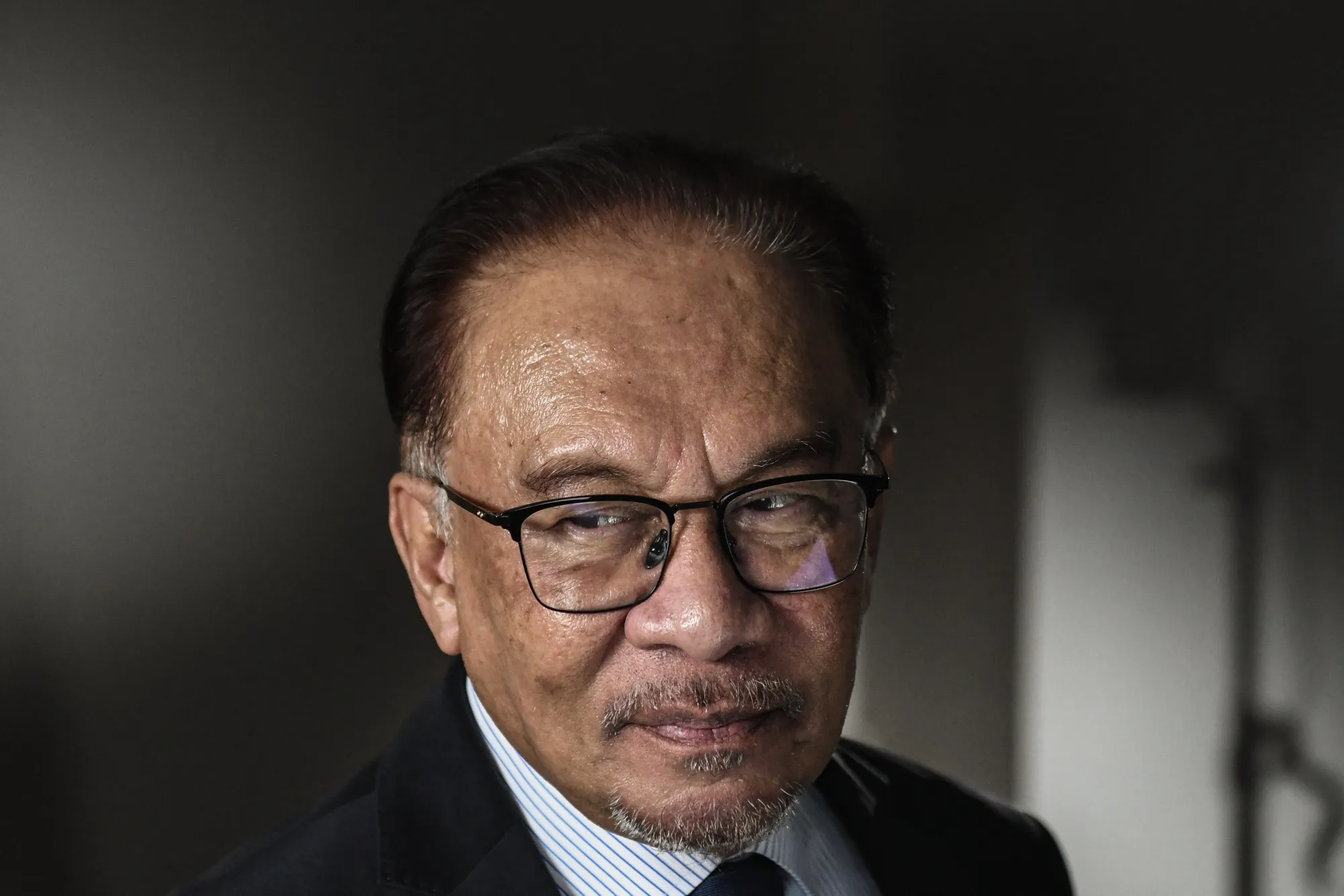
WITH various reports of deep dissatisfaction in Pakatan Harapan (PH) following the resounding defeat in Sabah, it appears that Prime Minister Datuk Seri Anwar Ibrahim will have a turbulent year in 2026.
Last week, he ruled out any possibility of holding snap general elections in 2026, saying that his priority now is to implement reforms and to address the rising cost of living faced by the people.
“The election still has a long way to go. I have not thought about it. I am focussing on how we continue to implement reforms and alleviate the problems people face regarding the higher cost of living.
“Those are the two central focuses for next year. Although things are relatively better now, they will be better later, God-willing, thank you,” he said on Dec 17.
Three years down the road, PH is now facing extreme criticism on the lack of reforms, added by economic hardship for entrepreneurs and businessmen.
This led DAP stalwart Lim Guan Eng to issue a missive to Anwar on what he expects the Prime Minister – along with his Cabinet – to deliver next year.
In an analysis of the letter from Lim (posted on Lim’s Facebook page), WawasanWire did not mince their words on how crucial it will be for Anwar to follow up on what is expected of him now.
WawasanWire highlighted the significance of the DAP adviser’s detailed letter, describing it as a major political move with great significance.
They noted the letter’s gravity, as Lim copied key DAP leaders Anthony Loke Siew Fook and Gobind Singh Deo, making it a public signal rather than a private communication.
The hosts emphasised the urgent language, pointing to a developing trust crisis among PH supporters that requires swift government action to restore confidence.
Any new policies, the podcasters said, must protect all Malaysians without prejudice, walking a delicate tightrope.
Breaking down the 10 demands, they called the first foundational: immediate fulfilment of the 15th General Election manifesto promises with no delays, to honour the coalition’s mandate and rebuild credibility.
The second demand drew the most attention as politically explosive – a call for an additional 10% allocation to non-Bumiputera groups, currently around 3% despite comprising 30% of the population.
The hosts stressed this is framed as additive, growing the pie without reducing Bumiputera funds, promoting national unity and avoiding zero-sum perceptions, though funding remains a challenge.
Demand eight addresses Sabah and Sarawak, urging quick resolution of longstanding issues like
Sabah’s 40% revenue entitlement, warning further delays appear intentional.
Much of the discussion focused on economic relief for small and medium enterprises:
- Allocating RM20bil in January for full corporate tax refunds to boost liquidity before Lunar New Year;
- Reviewing or freezing the expanded Sales and Services Tax; mandating 50 percent local procurement in government projects with targeted adjustments like taxing imported raw materials while exempting local scrap;
- Abolishing disproportionate job vacancy fines; easing e-invoicing and foreign worker EPF burdens; and creating a taxpayer tribunal.
They viewed the package as comprehensive, blending political, economic, and regulatory reforms, with a short window to avert worsening the trust crisis.
They also identified the non-Bumiputera allocation as the most polarising, posing risks to the unity government regardless of acceptance or rejection.
The question is whether Anwar will follow suit and deliver as he once again promised? — Focus Malaysia
No comments:
Post a Comment
Note: Only a member of this blog may post a comment.