
The proposal for universities to abandon the global ranking system on the basis that it is commercial and profit-oriented is described as a simplistic view that risks misleading the direction of the country's higher education policy.
Ismi Arif Ismail, a professor at the Faculty of Educational Studies and the Institute of Social Science Studies, Universiti Putra Malaysia (UPM), said that criticism of the international ranking system deserves attention, but a complete rejection without differentiating between the functions and how the rankings are utilised is a hasty conclusion.
“The real issue isn’t the existence of global university rankings, but how universities and policymakers interpret, manage and utilise them. Many weaknesses associated with the rating (system) stem from the internal governance of the institution itself," he told Bernama today.
He was commenting on the claim by an independent scholar who described institutions in Malaysia as blindly participating in ranking systems that only benefit certain parties.
According to Ismi, the argument that university rankings "only seek profit" needs to be viewed in a balanced way because many other professional mechanisms, such as accreditation and quality audits, also involve costs, yet are not rejected outright.

He said global university rankings are not aimed at replacing the educational mission, but rather they function as a comparative instrument to assess the relative performance of universities in the increasingly competitive global higher education ecosystem.
Indicators such as teaching quality, research output, citations, graduate employability and international networks, he said, are aligned with the country's higher education policy priorities.
"The real failure occurs when universities cosmetically pursue metrics or neglect the true quality of teaching and learning, and these are leadership and governance issues, not the fault of the ranking system," he said.
He also said that international rankings help strengthen the culture of accountability as universities need to report data that is consistent, auditable and comparable globally.
"Without external assessment, universities risk operating in a comfort zone. Transparency and comparability are important for maintaining public trust," he said.
‘Never the ultimate goal’
Universiti Utara Malaysia (UUM) vice-chancellor Ahmad Martadha Mohamed said the proposal for Malaysia to abandon the international university ranking system needs to be discussed in a rational and balanced way.
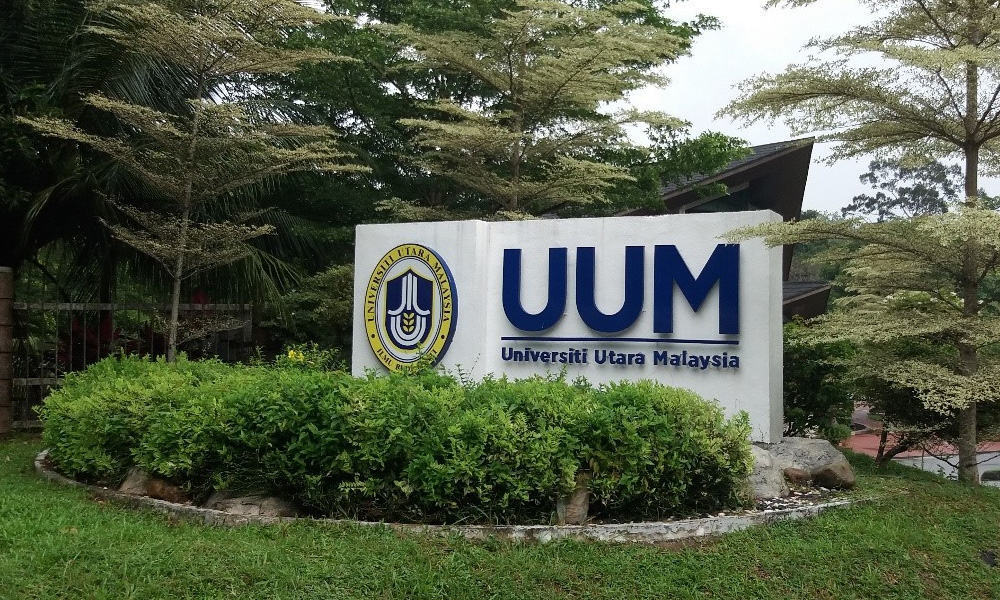
He said the participation of Malaysian higher education institutions (IPTs) in the ranking system is not participating blindly, but part of the global higher education ecosystem is being utilised prudently and in a controlled manner.
"The university ranking has never been the ultimate goal, but rather a benchmark for continuous improvement, increasing visibility, and opening up opportunities for international collaboration," he said.
Ahmad Martadha said the stance of the Higher Education Ministry (KPT) is clear and that is to recognise the role of rankings, but to reject obsession with numbers and positions alone.
He said the emphasis by Higher Education Minister Zambry Abd Kadir that the higher education system should not be completely dominated by rankings shows the government's recognition of the weaknesses of the global ranking system.
“The real debate is not about abandoning the ranking system completely but how to ensure rankings do not consume the university’s spirit," he added.
- Bernama
No comments:
Post a Comment
Note: Only a member of this blog may post a comment.