
This year has exposed not only an unprecedented rise in humanitarian need, but also a dangerous erosion of global solidarity.
Compassion is waning, political will is hardening, and international cooperation is faltering at the very moment it is most needed.
The consequences are brutally visible: Gaza’s decimated hospitals, Sudan’s besieged communities, and Rohingya families surviving in overcrowded camps and communities across Myanmar, Bangladesh, Malaysia, and Indonesia.
Across these crises, the gap between what is needed and what the world is willing to provide has never been wider or more dangerous.
Even the replenishment of the Global Fund to Fight Aids, Tuberculosis, and Malaria exposes this retreat, with pledges falling far short as medicines run out, health workers go unpaid, and preventable deaths rise. Without renewed commitments, decades of progress risk unravelling.
In this fractured landscape, Asean - and Malaysia in particular - can play a critical role. As a bloc founded on cooperation, stability, and mutual support, Asean can help restore the idea that every life has equal value, no matter where it is lived.
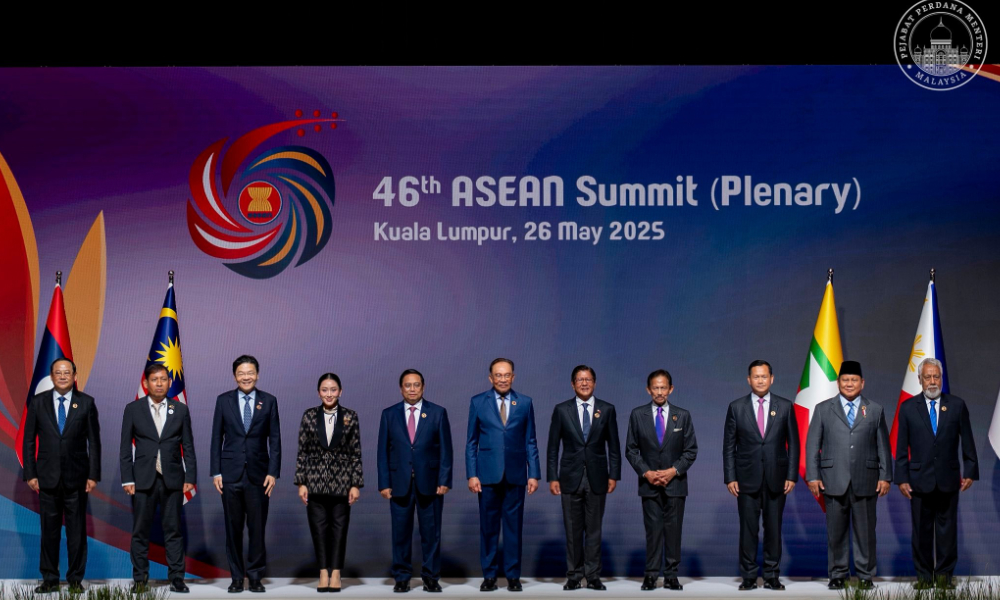
At a time when humanitarian action is being politicised, privatised, and increasingly militarised, Malaysia, as a strong pillar of Asean, can lead the bloc, as it has done before, in championing the fundamental principles that protect civilians, preserve human dignity, and ensure equitable access to care.
Gaza: When a ceasefire is not enough
Even with the current ceasefire, the medical and humanitarian needs in Gaza remain overwhelming. Most hospitals are destroyed or severely damaged.
Médecins Sans Frontières/Doctors Without Borders (DWB) teams continue to treat mass casualties, complex surgical cases, and children suffering deep psychological trauma.
Children like five-year-old Omar, evacuated to an DWB reconstructive surgery hospital in Amman, embody the collapse of Gaza’s health system. Many arrive malnourished, terrified, and in need of months of surgery, rehabilitation, and psychological support.
Despite the ceasefire, violence persists: Palestinians are shot near the “yellow line” as they attempt to return to their homes. Israeli restrictions continue to severely limit the entry of medical supplies, fuel, shelter equipment, and essential materials.
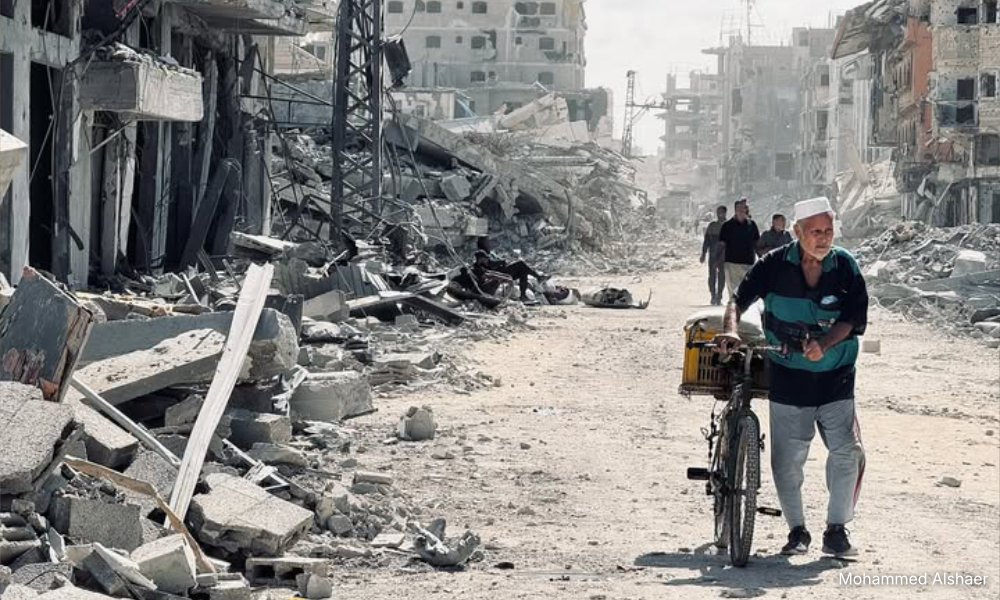
A ceasefire without unimpeded humanitarian access offers only partial relief; people remain at extreme risk.
Living conditions are appalling. Overcrowded shelters without clean water or sanitation drive spikes in respiratory, gastrointestinal, and skin infections, a predictable and avoidable public health emergency that will worsen as winter sets in.
Most concerning, the humanitarian response is being deliberately restricted at the very moment it is most needed. Aid is being treated as a bargaining chip rather than a lifeline.
DWB is calling for unrestricted, needs-based assistance and a clear rejection of any model that militarises aid or conditions it on political objectives.
Sudan: Most ignored humanitarian crisis
Sudan is today the world’s worst and most neglected humanitarian crisis. DWB supports more than 30 health facilities across 10 states, yet the scale of suffering far outstrips the global response.
Since April 2023, over 1.7 million people have sought care in our supported clinics, a stark indicator of a health system in freefall.
In Darfur, violence, famine and forced displacement are catastrophic. In Tawila, 75 percent of newly arrived children under five were acutely malnourished; 25 percent were severely malnourished, many arriving after months of siege and starvation.
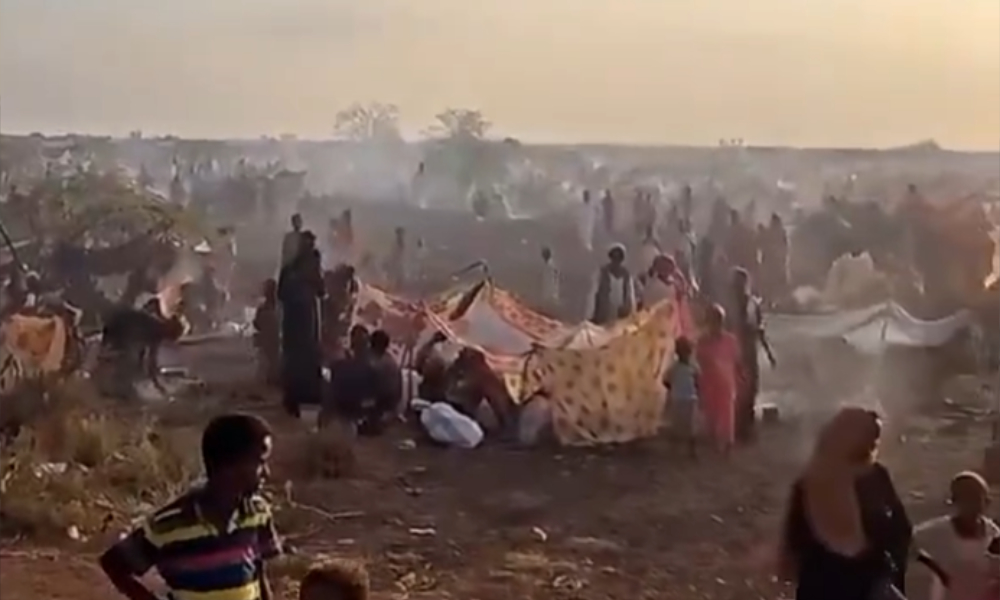
In places like Zamzam camp, DWB teams have treated hundreds of people with gunshot wounds, fractures, and injuries sustained during ethnically targeted attacks. Civilians describe being “killed, blocked, and hunted down” while fleeing.
Hospitals are routinely attacked. Facilities we support, including Al Nao Hospital in Omdurman and Kas Hospital in Darfur, have been shelled, looted, or surrounded by armed groups. The legal protection afforded to medical facilities and those seeking or providing care has collapsed.
The indirect consequences of the conflict are equally devastating. Over two years, DWB has treated 174,000 malaria cases, 89,100 diarrhoeal cases, and thousands of measles patients. Diseases are driven by displacement, lack of clean water, and the collapse of vaccination services.
DWB has assisted more than 35,300 deliveries, yet many women still arrive too late due to insecurity and distance.
Rohingya: A crisis Asia can no longer overlook
Across Southeast Asia, the Rohingya crisis remains one of the region’s most neglected emergencies. Nearly a million Rohingya remain in squalid camps in Bangladesh, while thousands more are displaced or transiting through Myanmar, Malaysia, and Indonesia.
Funding cuts have sharply reduced essential services. DWB teams report rising malnutrition, increasing infectious diseases, anaemia, and mounting mental health needs.
People who survived genocide now face a worsening humanitarian situation driven not by a lack of compassion from local communities, but by a collapse in international commitment.
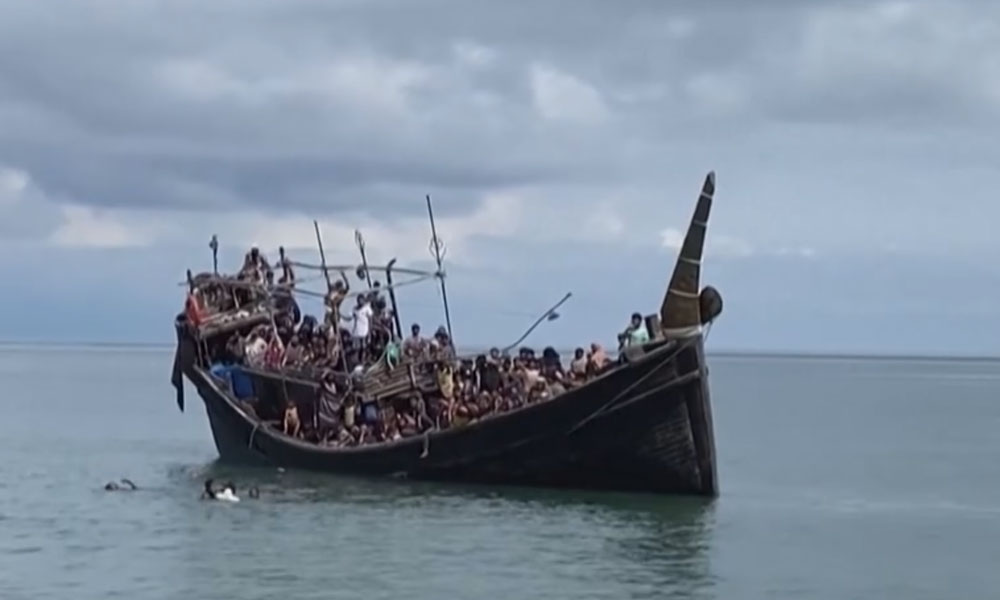
With no durable political solution in sight, the region is being forced to manage a crisis the world has chosen to look away from.
Why Asean’s voice matters now
At a time of global fragmentation, Asean and Malaysia can be a stabilising, constructive and principled force.
Asean states have a long history of responding to displacement, hosting refugees, leading peacebuilding efforts, and supporting regional disaster responses.
With diplomatic credibility across geopolitical divides, Asean is uniquely positioned within the emerging multipolar world order to champion humanitarian access by calling for unrestricted, unconditional assistance in Gaza, Sudan, Myanmar, and beyond.
Asean states can reaffirm core humanitarian principles, that aid must be based on need alone, never shaped by military or political interests. They can remind the world that no life is worth less because of where it is lived.
As 2025 ends, the humanitarian landscape is defined by record-level needs and record-low funding commitments. Asean states must mobilise more aid where they can and, importantly, use their political credibility and influence to apply pressure on others to reverse this downward trajectory.
By speaking clearly and collectively, the region can help restore humanity to humanitarian action at a moment when it is disappearing.
Millions of people - from children in Gaza, to mothers in Sudan, and Rohingya families across Southeast Asia - cannot wait for compassion to return. Their very survival depends on it now. - Mkini
PAUL MCPHUN is the director of Doctors Without Borders/Médecins Sans Frontières for Asia Pacific, focusing on Malaysia, Thailand, and Indonesia. Joining in 1997, he has set up relief programmes in Central Asia and Latin America, and helped lead the emergency response for the 2010 Haiti earthquake.
The views expressed here are those of the author/contributor and do not necessarily represent the views of MMKtT.
No comments:
Post a Comment
Note: Only a member of this blog may post a comment.