
IN recent years, gut health has emerged as a central focus of wellness with probiotics, fibre- rich foods and fermented products becoming everyday staples.
Amid this attention, one common ingredient in Malaysian kitchens has been largely overlooked: palm oil.
New research shows that when sourced responsibly and used appropriately – especially in its red or un-refined form – palm oil may play a valuable role in supporting gut health, aiding nutrient absorption and contributing to overall wellness.
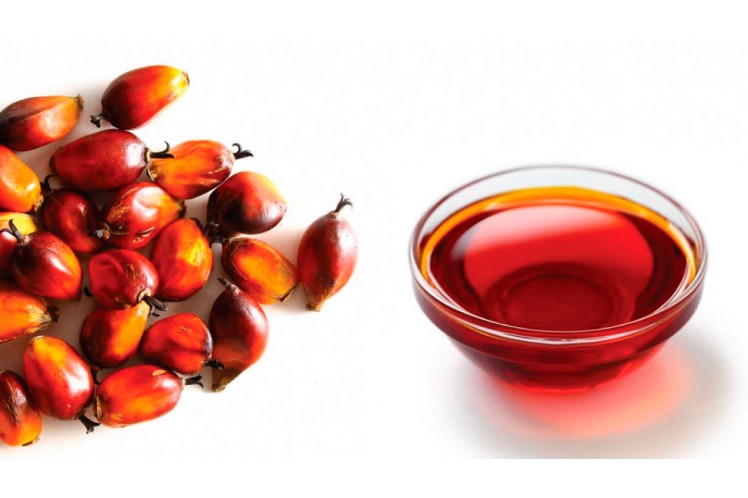
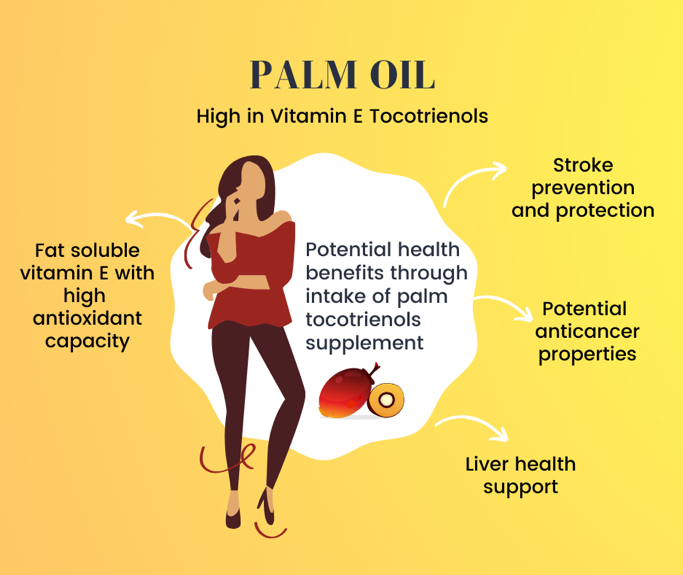
Red palm oil (RPO) is nutritionally remarkable because it is rich in fat soluble bioactive compounds, including carotenoids, which convert to vitamin A as well as the two main forms of vitamin E like tocotrienols and tocopherols, and other antioxidants.
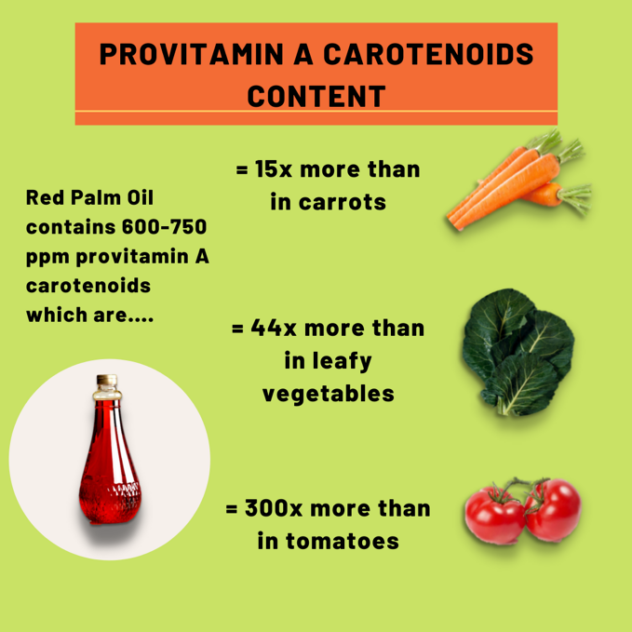
According to a 2025 review article, these bioactive compounds – especially tocotrienols – have strong antioxidant and anti-inflammatory properties that help reduce oxidative stress and cellular damage.
Another recent review confirms that palm cooking oil when consumed as part of a balanced diet can support heart health, protect the brain and improve absorption of fat-soluble vitamins.
The nutritional strengths of red palm oil
Beyond its antioxidant and heart health benefits, the nutritional profile of RPO supports essential bodily functions.
Vitamin A promotes healthy vision and immune function. Vitamin E protects cells. Fat soluble vitamins in general need dietary fat for optimal absorption, which palm oil can provide.
New evidence from a recent study by the Malaysia Palm Oil Board (MPOB) entitled “Red Palm Olein Biscuit Supplementation Modulates Gut Microbiota in Vitamin A Deficient Rural Malaysian Schoolchildren: A Randomised Controlled Trial” highlights the link between red palm oil and gut health.
In this double-blind trial, 328 primary school children aged eight to twelve from rural areas – all vitamin A deficient – were given biscuits enriched with red palm olein over six months, four days per week.
Compared with children receiving control biscuits with regular palm olein, those consuming RPO enriched biscuits had a notable increase in beneficial gut bacteria, including Anaerostipes, UCG 010 and Lachnospiraceae NK4A136 group.
The researchers also observed improvements in micro-nutrient status, including higher levels of provitamin A carotenoids, vitamin E and better haematological parameters such as packed cell volume and mean corpuscular volume.
All in all, children in the RPO group also showed a more stable and cohesive gut microbial network, indicating improved microbial interactions.
The study concluded that six-month supplementation with RPO-enriched biscuits can positively modulate the gut microbiota of vitamin A deficient children, increase beneficial bacterial populations and improve nutrient and haematological status.
Re-balancing the narrative moderation
Like any dietary fat, palm oil is not a superfood on its own. Concerns about saturated fat remain relevant, especially in diets already high in calories, processed foods or frequent deep frying.
Experts agree that red palm oil is most beneficial when consumed as part of a balanced diet.

Much of the negative perception of palm oil comes from outdated assumptions that all saturated fats are harmful or that the antioxidant rich components in RPO do not matter.
Malaysian regulatory and consumer advocacy organisations have publicly countered these stigmas, noting that typical palm oil consumption is not harmful and that it remains trans-fat free and cholesterol free.
Malaysia continues to lead global research into palm oil nutrition, including its bioactive compounds and health effects. The Malaysian Palm Oil Board (MPOB) and other scientific bodies can help promote an evidence-based understanding of palm oil’s benefits and limitations.

For the average Malaysian – whether preparing nasi lemak for breakfast, cooking sambal for dinner or frying snacks for guests – red palm oil can be embraced as a nutrient rich and culturally significant oil that when used as part of a balanced diet, supports gut health, micronutrient sufficiency and general well-being.
Nevertheless, there remains a need for more large-scale, long-term clinical studies, especially on gut microbiome modulation in adults, metabolic outcomes and interactions with Malaysian dietary patterns.
In the meantime, it is time to reset the palm oil narrative – not as a threat – but as an under-appreciated ally, especially for a Malaysian diet rich in tradition and flavour.
Dr Malar Santhi Santherasegapan is a medical doctor and social media health influencer.
The views expressed are solely of the author and do not necessarily reflect those of MMKtT.
- Focus Malaysia.
No comments:
Post a Comment
Note: Only a member of this blog may post a comment.