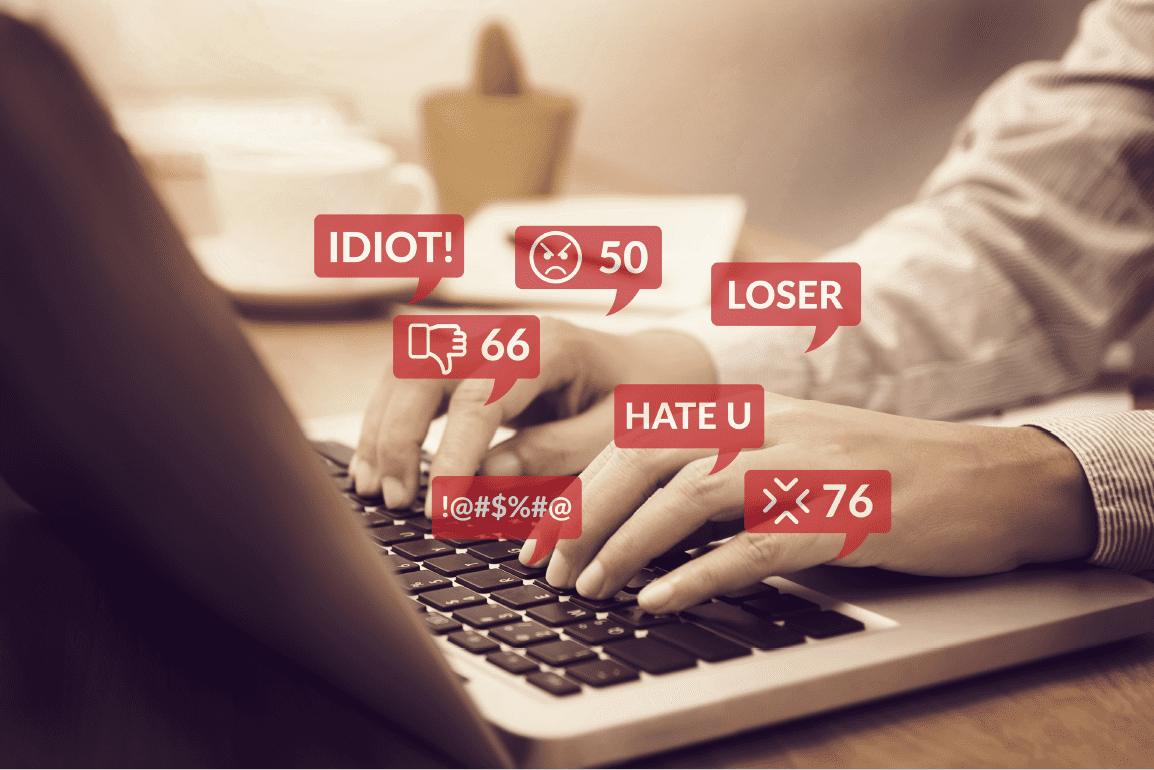
MANY Malaysians remain hesitant to discuss cyberbullying at work despite the increased coverage of this topic in Malaysian press recently.
Recent stories highlighted growing fears regarding online harassment in the workplace including hateful messages on office group chats and coworkers posting hurtful rumours or gossip through social media.
These incidents although reported rarely as a front page story are in fact occurring regularly and affecting more individuals than we would assume.
The worst part is not always the act itself, but the silence that follows. How come there appears to be an inability to speak up by those who have been bullied? Why do so many people choose to silently endure their suffering?
Employees may remain silent because of confusion about employee rights. Most employees do not pay attention to the numerous news stories about workplace bullying and harassment issues; instead, employees mostly ignore legal updates and policy notices regarding their rights as an employee.
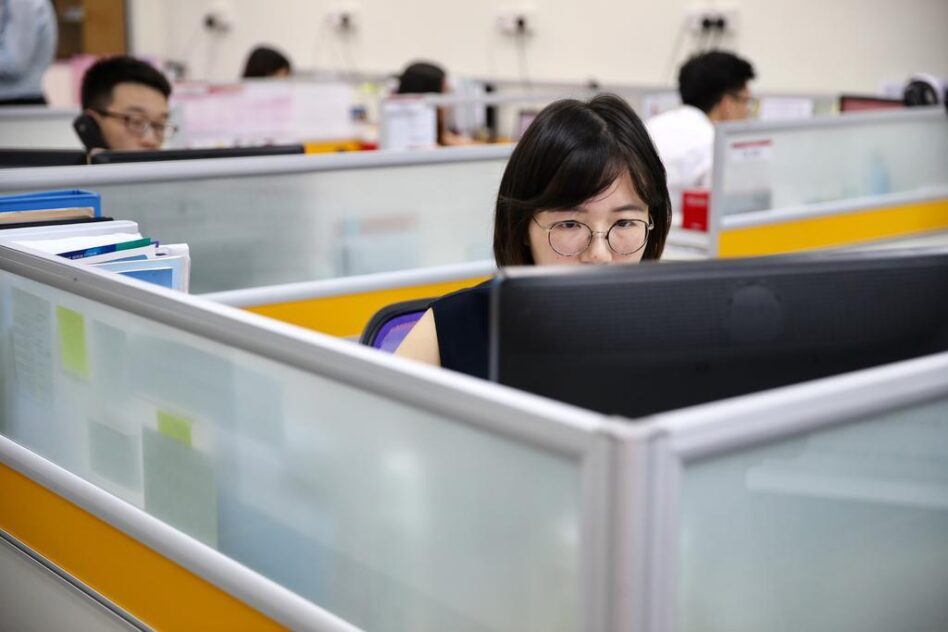
Employees often are not provided with information to identify when harassment or cyberbullying is occurring (i.e., which actions constitute cyberbullying) nor are employees informed of the appropriate course of action or the correct individual to report the incident to.
Thus, for many employees receiving harassing texts or emails from a supervisor at night or being ridiculed by coworkers via group chat constitutes acceptable treatment; therefore, it is commonplace for employees to “just deal” with this type of behavior. The view that online harassment/abuse is acceptable behavior fosters a culture of silence among employees.
In addition, there are possibilities that employers may or may not report incidents of harassment/bullying. Employers fear that reporting harassment will negatively affect the reputation of their organisation.
As such, employers dismiss employees’ concerns/complaints or direct them through a lengthy internal process that never leads to resolution.
Furthermore, in some cases, employees must report the harassment to the very same supervisor who committed the harassment and then the employee receives no further assistance, thus creating a system that protects those who have the strongest voice while ignoring those who are the most vulnerable.
The fear of speaking up often originates from a belief in one’s own inferiority; an assumption that sharing one’s thoughts may reveal one’s vulnerabilities. For women, there are fears of being labeled “emotional”, of receiving blame, of losing potential opportunities due to perceptions they cannot handle pressure.
Many workplaces have environments where it feels safer to remain silent than to speak up about problems. As a result, we often decide to shoulder the burdens alone, rather than taking action that would allow our wounds to heal.
It is at this point that we have to discuss values. Human values, and in some cases spiritual values. From an elementary Islamic ethics standpoint, all humans have a basic obligation to treat one another with respect, compassion, and fairness.

The values that are important to me and affect how I view this issue are safety, respect, and support at work, and not monitoring, humiliation or threatening through social media, etc. Islam emphasises caring about each other as members of a community; we watch out for one another, not walk away from a person who needs us.
Therefore, companies will have to create a culture based on compassion and not fear. Leaders will have to set an example by being responsible with the use of online communication and ethical. Colleagues will have to step up against bullying behaviours rather than just standing there watching.
However, policy changes must happen with the actions of people, with genuine dialogue and greater awareness and with organisations that really listen. There has to be clear information for employees regarding what cyberbullying is and what they can do if/when they experience it.
Organisations must create secure, private ways for employees to report incidents and take action when an employee requests assistance. As individuals we must be willing to check-in on coworkers, to offer them support and to advocate for justice if we witness it.
While you hear a lot about digital transformation, innovation and future-ready workplaces, there is no future to build in the workplace when the employees inside do not have a safe place to work in.
Recent news reports clearly show, online harassment is an increasing concern for all, and has the ability to affect peoples’ lives, careers and overall emotional wellbeing.
To have healthy workplaces, we need to stop the silence and recognise that words sent via a screen can be damaging, as much as words spoken directly to someone’s face. We must also decide as a collective body, to choose kindness, fairness and courage over fear.
Even though cyberbullying occurs online, the damage done by cyberbullying is very human, and now it is time to answer with humanity as well.
Dr Madiha Baharuddin is a Senior Lecturer at the Department of Fiqh-Usul and Applied Sciences, Academy of Islamic Studies, Universiti Malaya.
The views expressed are solely of the author and do not necessarily reflect those of MMKtT.
- Focus Malaysia.
No comments:
Post a Comment
Note: Only a member of this blog may post a comment.