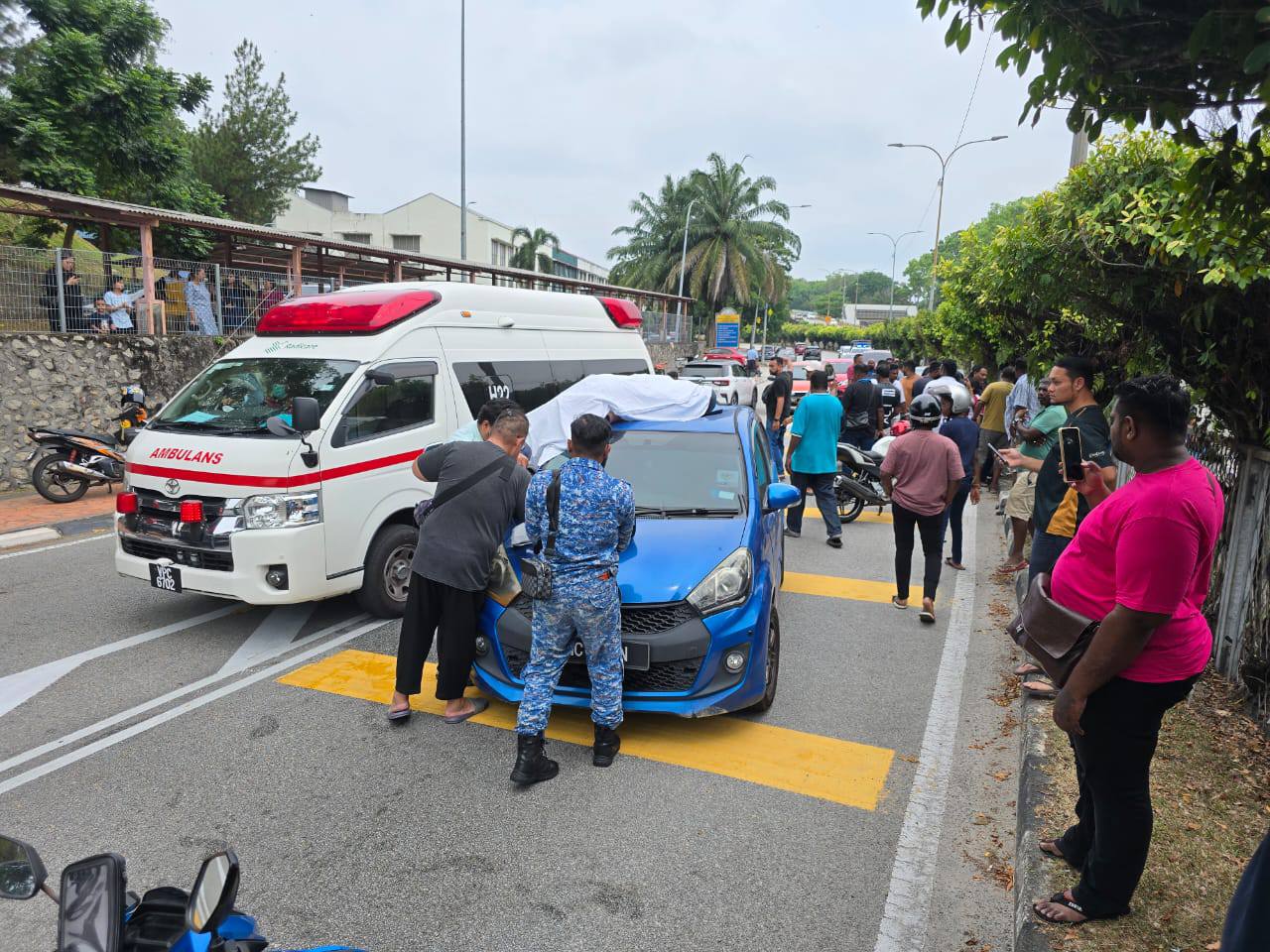
THERE has been a recent call by Machang MP Wan Ahmad Fayhsal Wan Ahmad Kamal for tougher punishment for drunk drivers, and honestly, I get why it’s resonating with a lot of Malaysians.
Every time we hear about another tragic death on the road—especially when a drunk driver is involved—it’s heartbreaking. It makes you angry. It makes you want justice.
And now some people are asking a really blunt question: should we bring back the death penalty for drunk drivers who cause fatal accidents?
On the surface, it sounds fair. A life is gone because of someone’s reckless choice. Why shouldn’t they pay the ultimate price? But here’s the thing—policy can’t just run on emotion. It’s got to be about justice, fairness, and what actually works.
First, let’s talk about intent. The law treats deliberate killing very differently from reckless behavior. Murder means you meant to kill. Drunk driving is incredibly irresponsible, but the driver didn’t wake up planning to end someone’s life.
If we treat both the same way, we blur a line that’s really important in any justice system.
Second, there’s no real proof that the death penalty deters drunk driving more than long prison sentences. Countries that have it don’t automatically have fewer drunk driving deaths.
What actually works? Things like random breath tests, frequent roadblocks, quick prosecutions, and visible enforcement. Certainty and speed matter more than severity.
Third, punishment has to fit the crime. Drunk driving that ends in tragedy is a serious offense—no question. Long prison time, lifetime driving bans, heavy fines all makes sense. But the death penalty is irreversible, and we usually reserve that for planned, intentional murder.
Then there’s consistency. If we do this for drunk drivers, what about drug-impaired drivers? Both impair your judgment and reaction time, and both are conscious choices.
If we go down that road, we’d be expanding capital punishment massively, and that raises a whole new set of ethical problems.
And let’s not forget the risks. Wrongful convictions, unequal legal representation, harsher impacts on vulnerable people—these aren’t abstract issues. Once someone is executed, you can’t take it back.
Malaysia really does have a road safety problem. While too many lives are lost, the answer isn’t to keep pushing punishment to the extreme. It’s to build a system that prevents these tragedies from happening in the first place.
That means stricter enforcement, harsher mandatory sentences for repeat offenders, immediate license suspension on arrest, real public education campaigns, and better public transport so people have a safe alternative to driving drunk.
We all want to protect innocent lives. But when outrage drives policy instead of evidence, we can end up causing more harm than good. Malaysia needs to be tough but also smart and fair.
The loss of life demands action, but it has to be the right action.
KT Maran
Seremban, Negri Sembilan
The views expressed are solely of the author and do not necessarily reflect those of MMKtT.
- Focus Malaysia.
No comments:
Post a Comment
Note: Only a member of this blog may post a comment.