
A PKR MP has called for the implementation and continuous improvement of main database systems such as the government’s Central Database Hub (Padu), amid ongoing issues related to fuel price hikes and reduced subsidy quotas.
Arguing that the optimisation of Padu’s system would aid in ensuring more accurate aid distribution, Petaling Jaya MP Lee Chean Chung said the government should adopt a more far-sighted approach in dealing with such matters.
“Currently, there are still weaknesses that cause some of those truly in need to be left out, while there are ineligible recipients who continue to enjoy benefits, thus putting pressure on the fiscal position as oil prices rise,” Lee (above) said in a statement today.
He added that through more accurate data coordination, Putrajaya will be able to better understand the economic situations of local households.
As a result, Lee said the government might be able to redistribute subsidy savings directly in the form of cash aid or other targeted support, as opposed to the current quota-based subsidy approach.
He asserted that in facing rising oil prices and cost-of-living pressures, solutions cannot depend on subsidy reductions alone.
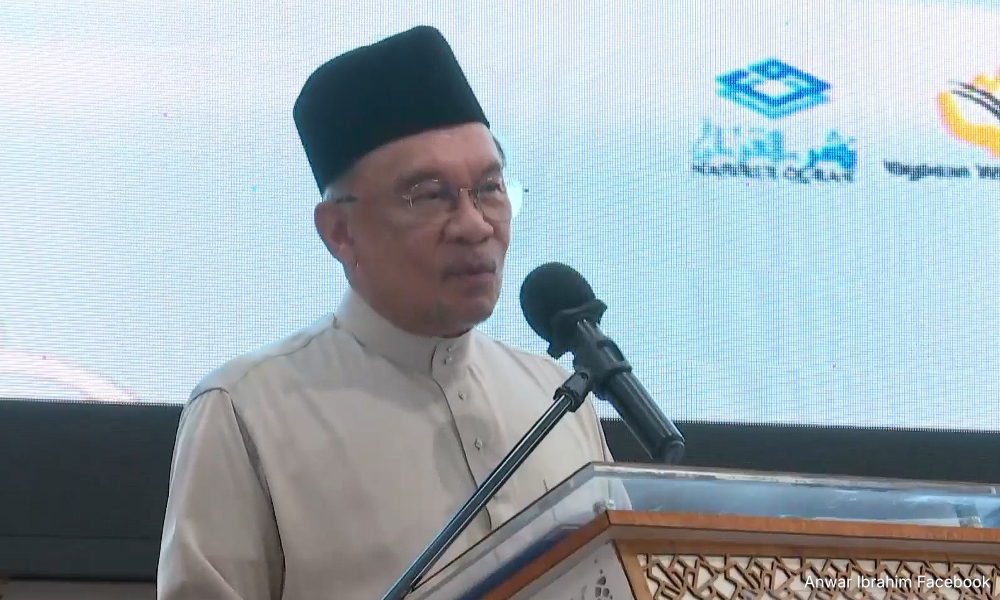
Last week, Prime Minister Anwar Ibrahim announced that the standard monthly entitlement for subsidised RON95 petrol, priced at RM1.99 per litre under the Budi95 subsidy scheme, will be reduced from 300 litres to 200 litres, effective tomorrow.
The announcement came after the retail prices for RON97 and unsubsidised RON95 petrol were increased by 60 sen per litre, with diesel in Peninsular Malaysia jumping by another 80 sen to RM5.52 per litre.
In September last year, Putrajaya maintained its course to use a MyKad system as a means to disburse targeted RON95 subsidies, with Padu data utilised to determine who is eligible for the aid.
This is despite repeated calls from former economy minister Rafizi Ramli - who spearheaded Padu’s development - for the government to channel the subsidies through cash transfers instead.
‘New things planned’
In a Facebook post yesterday, Economy Minister Akmal Nasrullah Nasir affirmed there is a need to further expand Padu’s potential, hinting that there are already “new things” planned for the system.
“We just need to ensure they are fully developed and ready to be launched. InsyaAllah, we will share more in a little while,” the minister said.

Akmal’s assurance comes amid criticism lobbed at Rafizi and Padu, with certain quarters questioning whether the data hub is still being used by the government after it was launched in January 2024.
In November last year, then-deputy economy minister Hanifah Hajar Taib said Padu continues to serve as a key reference for government agencies in formulating policies and programmes to address the needs of target groups.
Lead by example
Referencing cost-of-living pressures on the rakyat, Lee today also pressed the government to lead by example by re-evaluating the allocations given to each department and submitting proposals to reduce unnecessary spending.
“The national budget is estimated at around RM400 billion a year - if every department can save at least five percent through administrative optimisation and the reduction of non-critical spending, the country could potentially save around RM20 billion,” Lee said.
The amount, he claimed, exceeds the savings from petrol subsidy reductions and could help reduce the country's fiscal pressure.
He further proposed that the government re-evaluate existing industrial protection policies so that low and middle-income groups also have access to more affordable mobility options, including electric vehicles. - Mkini
No comments:
Post a Comment
Note: Only a member of this blog may post a comment.