
Standing at just 155cm and weighing under 45kg, Lim Yi Wei is a surprising figure in the high-impact world of rugby.
Her features are delicate, her voice is steady, and her presence is calm.
Yet, in a “seven” formation, she played wing for the Hong Kong University of Science and Technology - a position that requires explosive speed and the courage to be tackled by players twice her size.
Today, the 37-year-old Kampung Tunku assemblyperson is the first woman to lead a rugby union in Malaysia as president of the Selangor Rugby Union.
In 2024, Lim didn’t just cheer from the sidelines as the women’s Sukma rugby team took the championship; she trained with them, and the team won gold.

She understands the sweat and the struggle. When she talks about the broken cheekbone or torn ligaments she sustained during her university days, she isn’t complaining; she’s showing you her credentials.
“I’m not built for rugby, but if I have a second life, I will play the game,” she declares.
In the bruising arena of Malaysian politics, Lim operates much like she does on the pitch.
Lim, a DAP member, is serving her second term as an elected representative under the Pakatan Harapan banner.
She doesn’t rely on performative bravado; instead, she relies on agility, deep preparation, and the grit to get back up after every hit.
She attributes her re-election to the transparency of her unique billboards that showcased her first-term achievements to the community.

“I’m the type of person who, when I see a problem, I always try to find a solution to it.
“To always find creative solutions and collaborate with different parties, so we can come up with something new,” she said.
The scrum for the soul
This commitment to finding “gaps” in the system led to her pivotal role in the national-level push to decriminalise suicide.
The effort began with her calling for a moratorium during the Covid-19 lockdowns alongside fellow lawmakers, Bandar Kuching MP Dr Kelvin Yii and Subang Jaya assemblyperson Michelle Ng.
Working with the then deputy law minister Ramkarpal Singh, she helped refine the 2023 amendments to the Penal Code and the Mental Health Act.
Her focus went beyond dry policy; she helped mandate that first responders - be it the police or the Fire and Rescue Department - are trained to transfer individuals to psychiatric care within 24 hours rather than a lock-up.
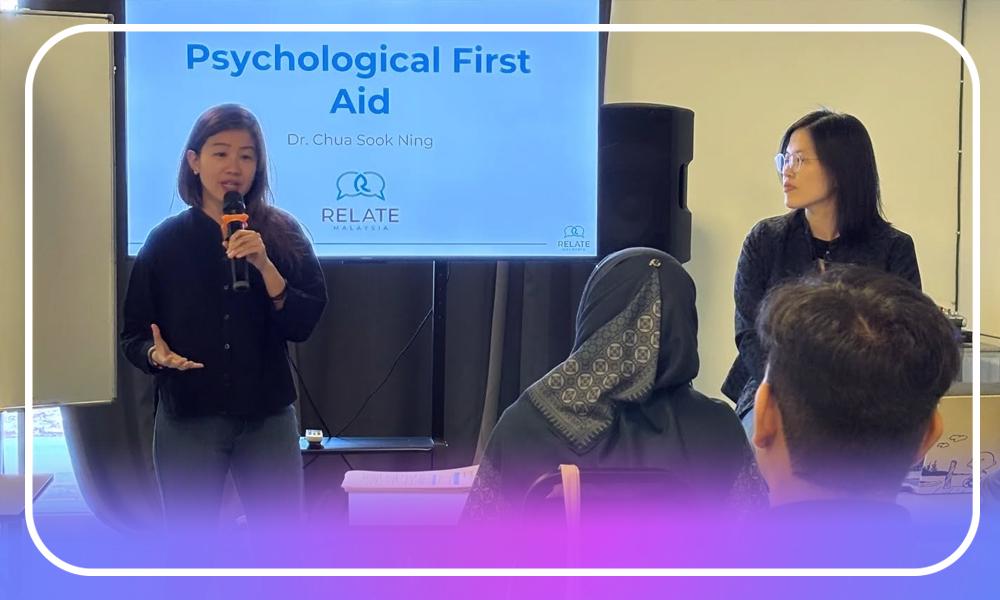
“Whoever the first responder is, they stop at the hospital within 24 hours,” she insists, ensuring that professional medical help replaces criminal punishment.
In tandem, she helped establish the Selangor Psychiatric Treatment Subsidy, ensuring that for many young women, the cost of help is no longer a barrier to survival.
To move beyond one-off subsidies, Lim is collaborating with clinical psychologists from Relay Malaysia to host quarterly Psychological First Aid workshops.
These sessions, she said, specifically target youth and those in mentoring roles: “Groups identified as the most amenable to behavioural change when approaching someone in a crisis.”
Lim is also pioneering the “Honest Open Proud” module, an online programme designed to equip people with lived experience with the skills to safely disclose their conditions.
Her long-term goal is to build a sustainable network where participants eventually become trainers themselves, addressing early signs of depression and emotional dysregulation.
The blueprint of resilience
If you want to understand why Lim fights for the “underdog”, you have to look at her father, Lim Chin Chye.
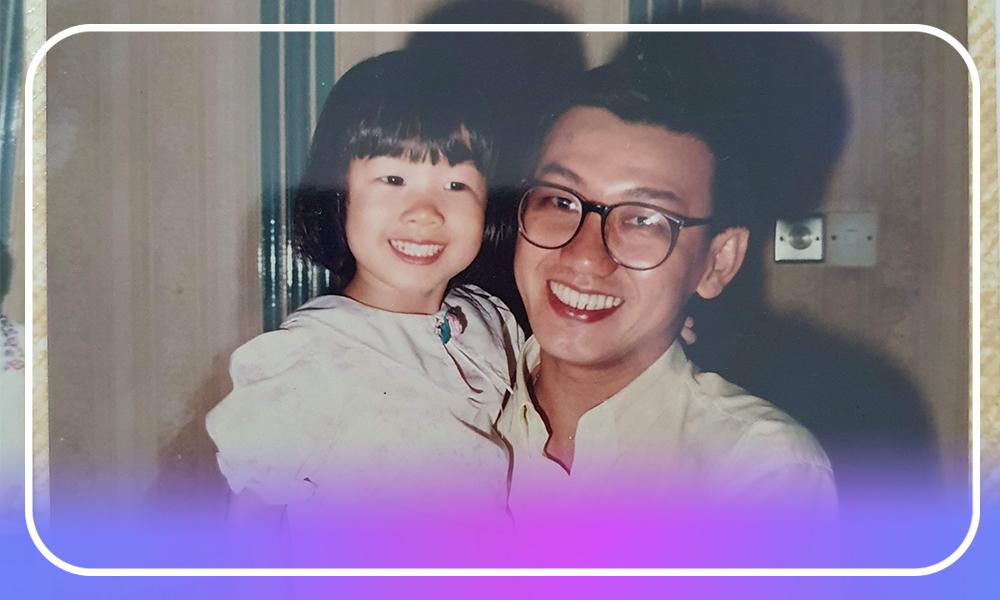
A discipline teacher at an Ipoh school notorious for gangsterism, he famously refused to lead with the cane.
Instead, he saw “naughty” kids as untapped talent, gathering them into a successful English debate team.
“I think his approach taught me to be more open-minded,” Lim reflects.
She carried this into her days as a school prefect.
While others judged, she simply sat and listened to an argumentative student.
Years later, that student told her that the act of being heard was the reason she chose to finish her education and enrol in Form Six.
However, Lim’s own resilience was tested most severely 16 years ago.
She had fallen in love with rugby while pursuing her business degree and finance major in Hong Kong, despite the physical toll.
“I had my injuries,” she says, listing a broken cheekbone and a torn ankle ligament.

Her sports injury led to the loss of her university scholarship from the Hong Kong government owing to a slight drop in grades.
Lim faced a deep mental health crisis and survived a suicide attempt.
Suddenly forced to earn sufficient funds just to complete her degree, it was a period of her life she now recounts with quiet toughness.
After recovering, she entered the prestigious world of finance, starting a corporate career overseas that seemed to offer stability - until the sights of a city in protest in 2014 changed everything.
The catalyst for change
The turning point happened during the 2014 Umbrella Movement in Hong Kong.
Watching 18-year-old students risk their futures for their city, Lim began to question her own happiness and the state of Malaysia.
In August 2015, after a talk by then-Penang chief minister Lim Guan Eng, she asked him: “YB, do you really believe that Malaysia still has hope?”
His blunt reply: “Aiyah, how would you know if you don’t come home”, spurred her to quit her high-paying job and return, eventually landing a job as a political staffer for then Damansara MP Tony Pua.

As a researcher for a federal lawmaker, she learned the “politics of life”, following Pua into communities to see the country beyond political stereotypes.
While she worked with Pua, she was offered a chance to become a Petaling Jaya city councillor, and with Bukit Gasing assemblyperson Rajiv Rishyakaran, she gained a masterclass in the “ground game” of municipal governance.
Together, these mentorships bridged the gap between high-level policy and grassroots service, shaping her into a politician who values “doing the homework” as much as the result.
It was here she realised how distanced and disenfranchised the public felt from the decisions that actually touched their lives.
She became a fierce proponent of local council elections, arguing that while a prime minister could disappear for a week unnoticed, missing garbage collection for a week would throw a neighbourhood into havoc.

To bridge the gap with the public, she introduced a detailed “Report Card” for her constituency, visualising exactly where every cent of her office’s allocation went.
Survivor
She continued to seek unconventional ways to engage the youth, even if it ruffles feathers.
In 2021, she hosted a session of Politiko - a card game about Malaysian elections - and invited then-Umno leader Shahril Hamdan to join.
Despite a backlash from party elders, Lim does not regret the move.
“If my special guest is always someone from Harapan, then you only get to hear one side,” she said.
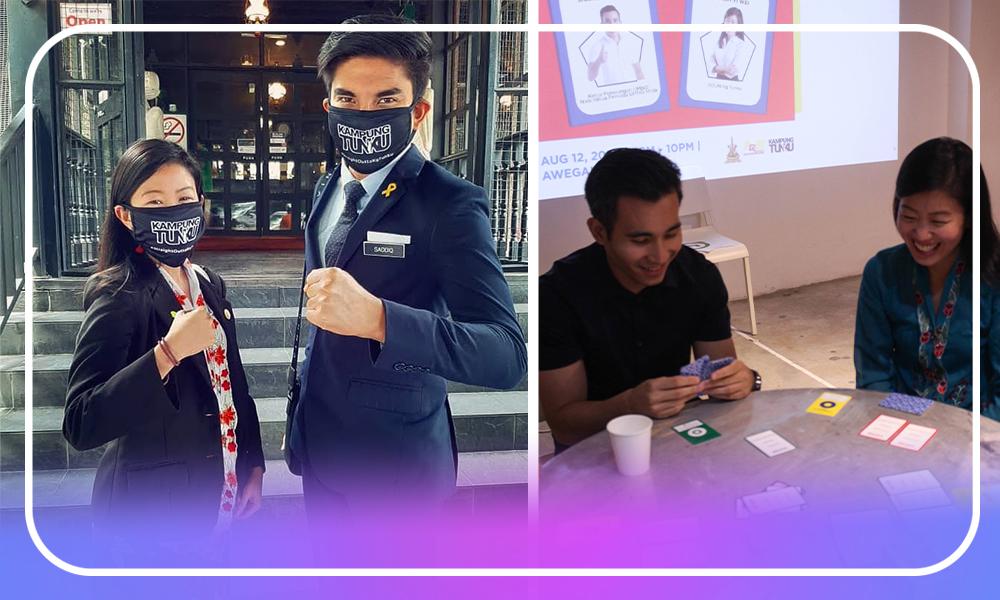
Today, Lim’s dedication is tied to a strict “red line” of personal integrity her parents have come to accept: “If I feel that I cannot contribute value, I will take a step back and go back to corporate.”
To some, that might sound like a lack of political ambition, but for Lim, it is simply perspective.
Having faced a deep mental health crisis in her youth, she offers only a quiet, matter-of-fact acknowledgement of her resilience: “I survived that.”
It is a statement that transforms a past injury into a political credential, grounding her legislative mission in lived experience rather than just dry policy. - Mkini
No comments:
Post a Comment
Note: Only a member of this blog may post a comment.