
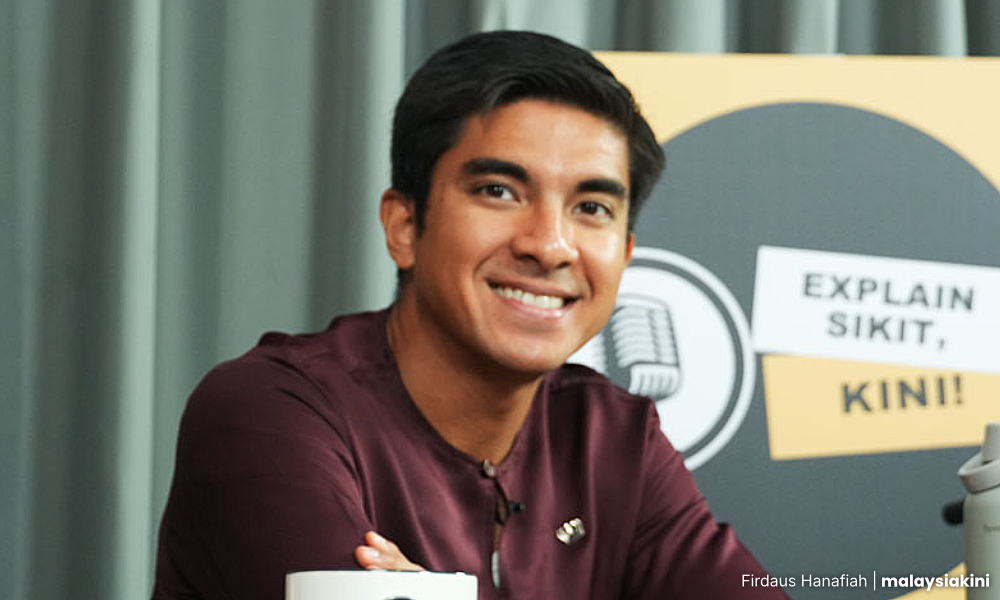
JOHOR POLLS | Eight years after Syed Saddiq Syed Abdul Rahman first won the Muar parliamentary seat, his work remains fresh in the minds of voters across the constituency - to the point where he and Muda, the party he founded, appear to have become indistinguishable.
In Maharani, one of the two state seats under Muar, the question seems to be not whether voters support Syed Saddiq, but whether that affection for him can be translated to ink on ballot papers for a party that voters know almost entirely through its former president.
One Maharani voter, a single mother who proudly declared that she and the parliamentarian are village mates, shared stories of Syed Saddiq’s hands-on nature, recalling how residents who required assistance could stop him on his regular visits and be greeted with immediate action.
“When I told him about my child entering school, he gave me a tablet right away.
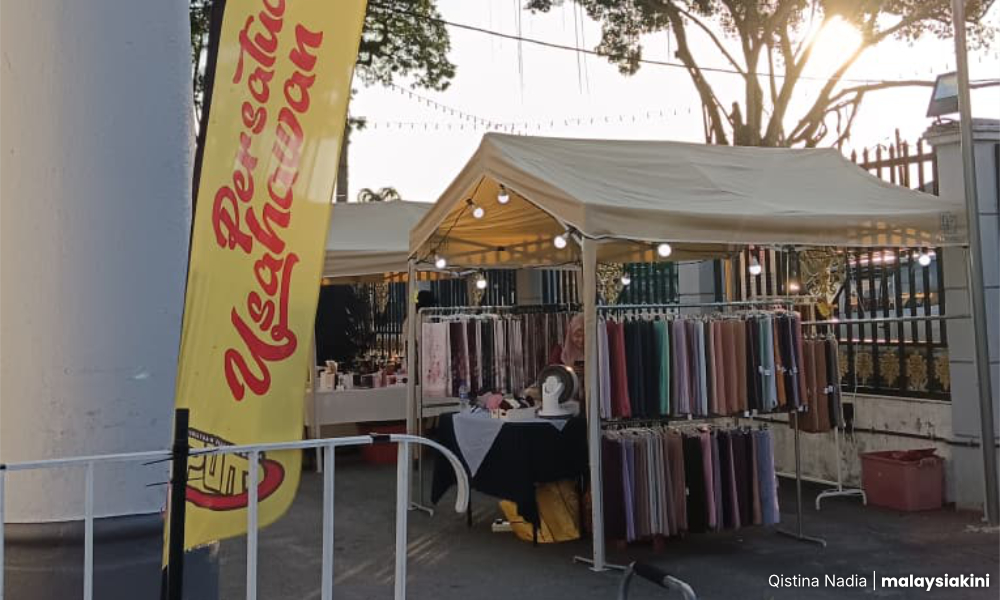
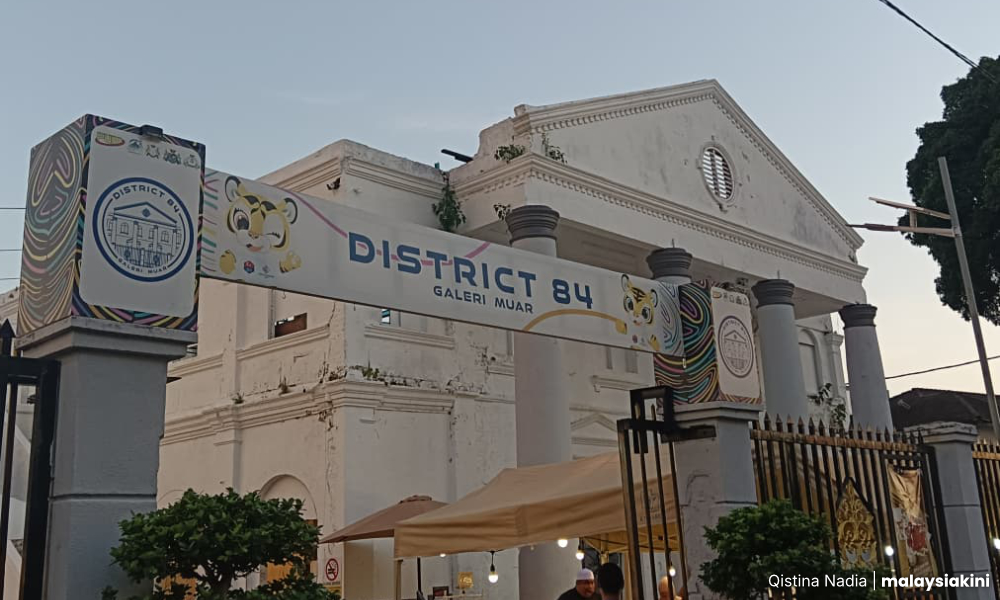
“As long as he is there to take care of us, we won’t feel any hardships,” the retail businessperson, known as Salwa, 38, said while manning her headscarf and clothing stall in District 84, a community centre housed in a former Telekom Malaysia building in Muar.
When asked if the Maharani incumbent assemblyperson, Abdul Aziz Talib, had extended similar help, Salwa said she knew little of him, insisting that she had never encountered the PAS representative and could not even state his office’s location.
“How long was he the Maharani assemblyperson? I’ve never seen him at any events or in my kampung,” she said, explaining that her dealings on requested aid were typically done directly with Syed Saddiq or his team members, whom she credited for keeping residents informed of available assistance.
Based on Malaysiakini’s observation, Salwa’s experience is not unusual in Maharani as the Muar parliamentary office appears to have built a stock of goodwill that voters instinctively associate with Syed Saddiq.
For Lin, 56, a trader at an open-air food court near the Muar Stadium, her regard for Syed Saddiq is genuine and personal, as she had previously helped him distribute aid to residents during an earlier outreach effort.
However, the warmth apparent in her tone when speaking about the MP did not automatically extend to Amir Fiqri, the candidate Muda has opted to field for the state election.
“He (Amir) doesn’t seem to be very friendly. It’s a bit hard for me to vote for him, even if I want to support Syed Saddiq, because if he is not approachable, then we will be troubled,” she said.

While Lin added that she might instead cast her vote for BN’s candidate, Ashaari Sarip, as she is more familiar with him compared to Amir, another merchant outside the Parit Jawa market said he is open to giving all candidates a chance to make their case, despite his liking for the MP.
“Syed Saddiq functions well - whenever we call him, he always comes, but for my vote this time, I’ll see first how the candidates intend to help us and what their ‘aura’ is like,” Faruz Ismail, 48, told Malaysiakini by a road where he had set up a table to sell kampung eggs.
The behind-the-scenes candidate
As Muda gears up for a four-cornered fight to gain control of the state seat, the party’s candidate is someone voters may know better than they realise.
According to a Facebook post uploaded by Muda before nominations day on June 27, Amir, also known as Amir Jack, has been attached to the Muar parliamentary service centre since 2018, having served as its chief of staff and a parliamentary liaison officer.

The post detailed that Amir, who was raised in Muar as the youngest child of teacher parents, was responsible for planning field strategies, drafting policy analyses, and managing and preparing Syed Saddiq for parliamentary sessions.
In other words, the man now asking Maharani voters for their support has spent the better part of a decade quietly working behind the scenes to deliver the very services that earned their trust - just never as the face they associated with it.
Amir has acknowledged as much, framing his candidacy as a natural extension of work already done rather than a fresh start, while providing a measured response on whether his campaign risks being overshadowed by Syed Saddiq’s popularity.
“I’m not just trying to replicate (what Muda has done in Muar), but I’m also going to improvise it to be better, because in terms of at a parliamentary level, I would say people already understand and can see what we have been doing.
“Instead of only focusing on Syed Saddiq, (I’m saying) this is me, because the team running behind Syed Saddiq is my team and me - we are one team, and this is how we are going to do good for Maharani,” he told Malaysiakini when met on the campaign trail.
Amir was also firm in what he believes the coming layers of Muda’s leadership need to demonstrate, saying: “This is the time for young leaders to move out from Syed Saddiq’s shadow.”
Generational gap
Besides potentially being outshined by an MP who has attained a celebrity-like status, Muda’s challenge is further compounded by the nature of Maharani’s electorate.
Amir acknowledged that a significant portion of its youths - the party’s core demographic - are no longer based in the area after leaving for other districts or states to seek employment, a situation he said Muda is attempting to address.

With youth voters making up 26.2 percent of the state seat’s voter pool, Amir added that Muda is working on presenting offers that best cater to the group, especially in a way where they might not have to leave their hometown to sustain themselves and their families.
Ahmad Azhar, a 21-year-old met in the Muar town centre, said a friend studying in Kelantan had expressed intentions to come back to vote, but whether the intention would translate into action remains to be seen.
A high youth voter turnout could be crucial for Muda, considering Ahmad’s insight that “older people are anti-Muda” in favour of more veteran outfits such as PAS and BN - both of which will be Muda’s opponents for the Maharani seat.
His observation might not be far off, as vegetable seller Ngoi Boon Chia, 63, expressed hesitancy over Muda’s capabilities, pointing to their “inexperience”.
Several other non-Malay and Malay voters with children working outside Johor also told Malaysiakini that strict instructions have been conveyed for their return to fulfil their voting duties.
In the previous March 2022 state election, a low turnout due to Covid-19 travel restrictions allowed PAS’ Abdul Aziz to recapture the seat for the Islamist party, winning 36 percent of the votes in a six-cornered fight.
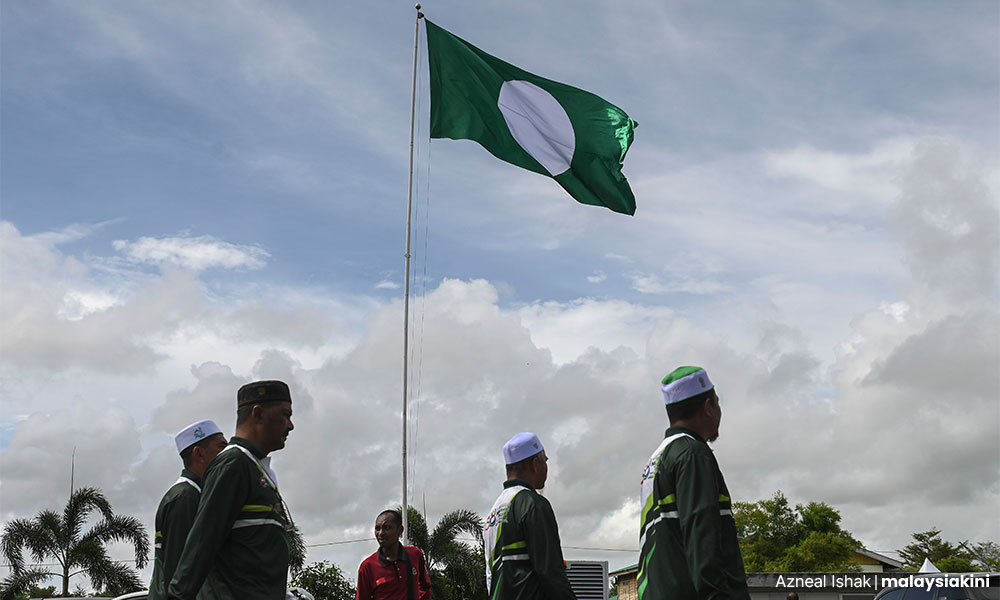
However, an analysis of the 15th general election in November 2022 showed that if state polls were held then, Pakatan Harapan and Muda - which were on the same team then - could have won Maharani handily with 43.5 percent of votes.
Courtroom cloud
But turnout won’t be the only factor at play.
Hovering over Muda’s Johor electoral campaign as a whole was a question that no amount of ground work could fully answer: whether Syed Saddiq himself will be able to contribute to campaign activities before polling day.
The Federal Court was due to decide today (June 30) whether the Muar MP stays a free man or goes to jail over charges of criminal breach of trust, misappropriation of property, and money laundering concerning funds from Bersatu Youth.
However, the decision was postponed to July 13 - two days after the state polls, as one of the judges had gone on medical leave.
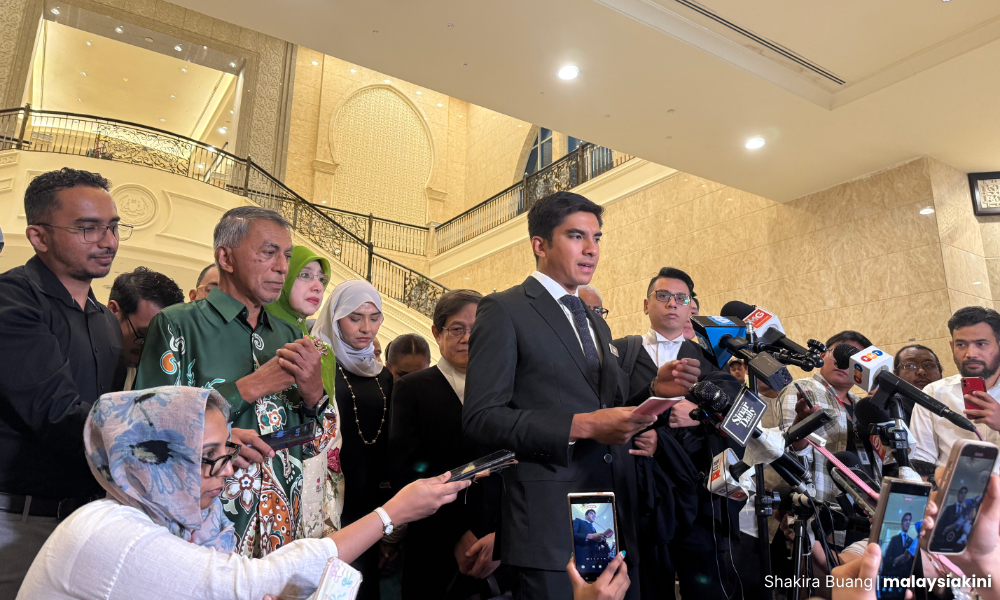
Speaking to reporters after the verdict’s delay, Syed Saddiq confirmed that he will stay out of Muda’s campaign for the polls, pending the apex court’s potential clearing of his name.
For Maharani voters aware of Syed Saddiq’s legal woes, the matter of his court case seems to sit somewhere between sympathy and political pragmatism, with Lin describing it as a “personal matter” that she is willing to overlook.
“When it comes to us, the rakyat, he has been good. Maybe he has been wronged,” she said, drawing a clear line between his conduct as an elected representative and the charges he faces.
Another voter who asked to be known as Lee, 69, framed it through a different lens entirely by drawing a parallel to former MCA president Dr Chua Soi Lek, whom the retiree opined was forced out of politics despite being seen as capable and hardworking.
Suggesting that Malaysian politics has a pattern of sidelining effective leaders through scandal while rewarding those more adept at survival, Lee plainly said: “If you are too good, that is also not good - if you are bad, then you can become the boss.”
Lee said that while he leaned more towards Harapan, he would have voted for Muda if the coalition were not contesting.
Arithmetic of anxiety
For Lee, a bigger issue was the protection of minority rights in an electoral system where voters may get stuck with a candidate the majority did not vote for in a multi-cornered fight.
In Maharani, the contest is a four-way between Muda, Harapan, BN, and the incumbent Perikatan Nasional.
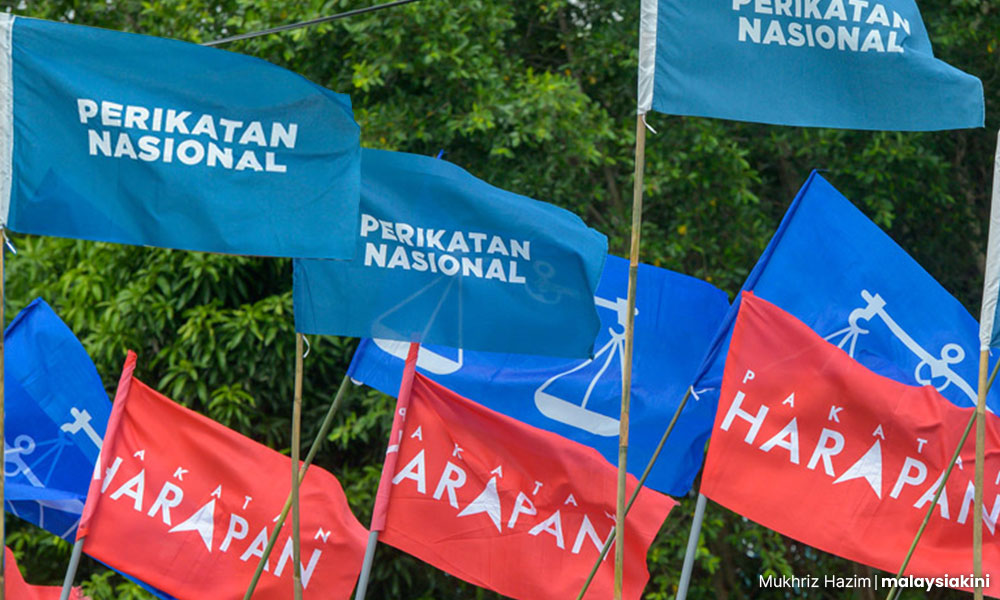
With BN and PN expected to snatch the majority of Maharani’s 61 percent Malay electorate, Chinese constituents - who make up 36 percent of voters - could determine the outcome and even deliver victory to either Harapan or Muda.
Speaking candidly about the stakes as he saw them, Lee said that Malay-Muslim parties such as Umno and PAS have never managed to gain his vote.
Citing a pattern of courting non-Malay communities before elections only to revert to race-based politics after winning, Lee said he had watched the same tactic play out too many times to spare any support.
“When they need you, they will say you are good. When they are already on top, and you say you are Malaysian, they will say no - you are Indian, you are Chinese,” he said.
For Lee, the practical conclusion was straightforward: non-Malay voters who stayed away or spoiled their ballots were effectively handing seats to the parties he claimed are most likely to marginalise them.
“We are a minority - if you don't come back and support your people, Umno will be very happy,” he warned.
It’s the economy, stupid
Not everyone Malaysiakini spoke to weighed the election in terms of candidates or coalitions, as the ease that coloured conversations on Syed Saddiq was replaced by tension when talks turned to the broader political landscape.
For some, their perspective heading into the state election seemed more jaded and weary, with the rising cost of running a small food business coming up repeatedly, particularly among older traders.
A char koay teow seller who has operated at a non-halal food court along Jalan Sulaiman for nine years said that while he has not decided which party will get his vote, he is leaning towards giving Muda a shot.
His potential move stems not out of conviction in the party’s ideals or a sense of belief in its candidate, but out of a desire to unsettle other bigger parties, which he accused of having grown complacent in their high-ranking positions.
“I’d like to give them a scare so that they’ll do their work. It saddens me to do this, (but) I want to see them do work.
“All parties have problems, including DAP - whichever party says they don’t (have issues) is lying. Before winning, they’ll talk big, but after winning, they’re all more or less the same,” said the 55-year-old, who requested not to be named.
While he did not specify the “problems” affecting political parties, he bleakly said: “Whoever wins, my situation will still be the same.”
Like the other traders, his more immediate concern was economic, as he lamented that sales have never fully recovered since the Covid-19 pandemic, with his profit nowadays barely reaching half of his previous earnings.
With the rise of food delivery platforms eating into his margins without meaningfully improving his reach, coupled with his lack of digital literacy to navigate the system effectively, the hawker advised any ruling administration not to “pressure” the rakyat too much.
However, while several other traders also described grappling with steadily rising operating costs, including licence fees and raw ingredient prices, some expressed apprehension that policy changes could inadvertently make life harder for small businesses that are already struggling.
Toh Adek, 68, who has operated an eatery for over four decades, stressed that she only wants a representative who will “look after all of us”, but reasoned that such shifts might present their own complications.
“If there’s no problem here, just follow whatever we have now - change, then later if there’s trouble, how?” she said, while agreeing that more could be done by authorities to better ensure the welfare of those striving to make a living in Muar. - Mkini
No comments:
Post a Comment
Note: Only a member of this blog may post a comment.