Political analyst Bilcher Bala says the party's past membership in Pakatan Harapan had created the perception that its struggles were confined within the national framework of a Malaya-based bloc.
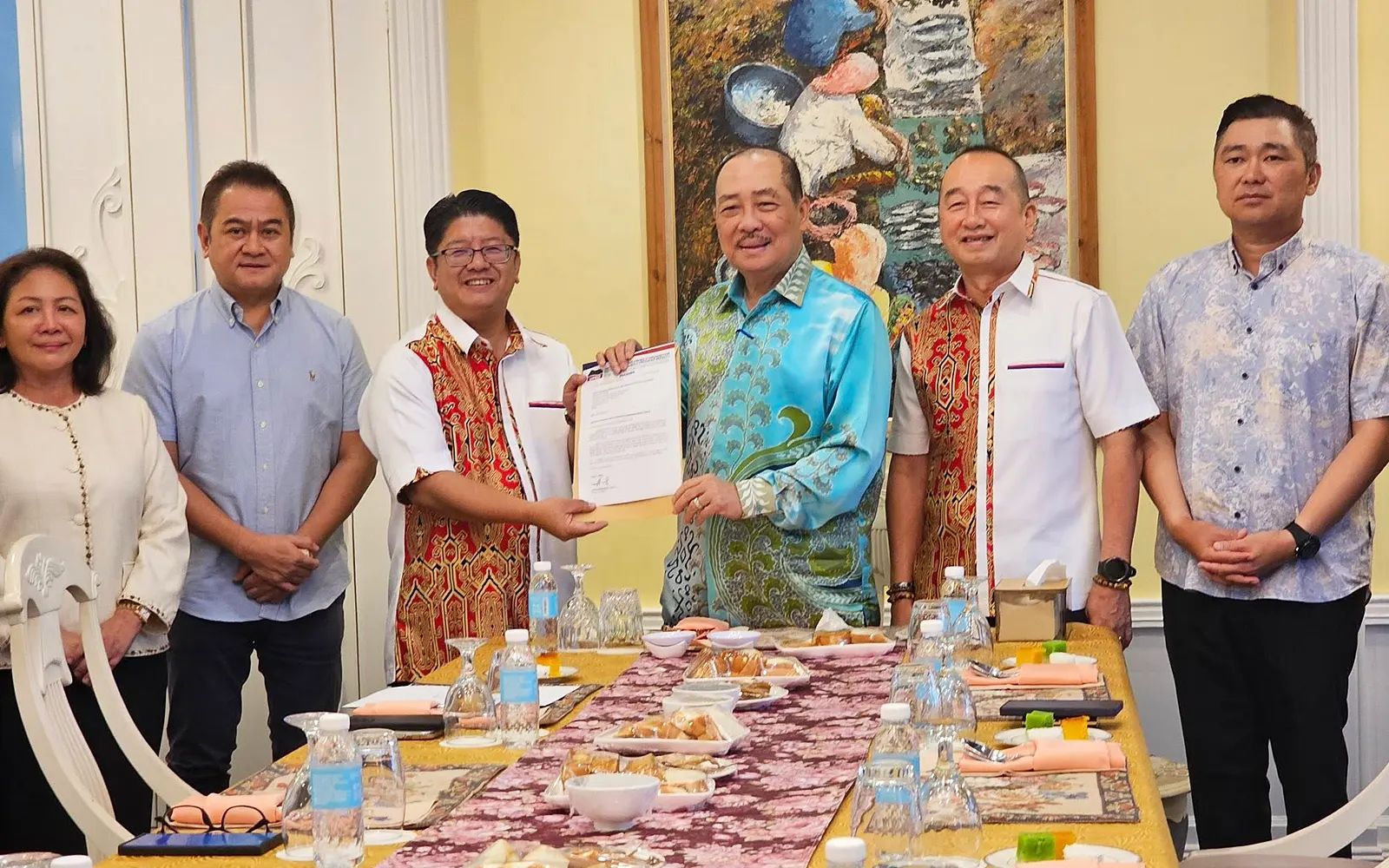
Bilcher Bala of Universiti Malaysia Sabah said Upko’s past membership in PH created the perception that its struggles were confined within the national framework of a Malaya-based bloc.

“By seeking to join GRS, Upko could realign its political positioning as a local Sabahan party that wants to be in the forefront of the state’s struggles,” he told FMT.
However, Bilcher said Upko must prove its worth by bravely voicing issues related to the Malaysia Agreement 1963, the state’s entitlement to revenue-sharing, and other matters including state autonomy.
“Upko’s true credibility still depends on how far the party can translate the struggle for Sabah’s rights into concrete policies and actions,” he said.
With Sabah politics always fragmented by various parties, Upko’s entry into GRS could potentially build a much more organised political movement, he said.
Upko was with PH for four years. The party decided to leave PH in November last year, weeks before the 17th Sabah election, after considering its time in PH and the sentiment among Sabahans for local parties to join forces.
Party president Ewon Benedick resigned from the federal Cabinet, citing Upko’s principle on upholding the MA63 and Sabah’s constitutional rights. He contested the Sabah state election and was re-elected as assemblyman for Kadamaian.
After the election, Upko backed chief minister Hajiji Noor to form the Sabah government and Ewon was appointed deputy chief minister. On May 29, Ewon announced that his party had applied to become a member of GRS.

Lee Kuok Tiung, also of UMS, said Upko’s “local branding” could be strengthened by joining an alliance of local parties, a move he described as logical for its survival and relevance amid growing Sabah-first sentiment.
“The move not only secures its place in the GRS government by rejecting speculation that it will collaborate with any other party, while also avoiding going solo, which could expose it to marginalisation later (on),” he said.
More complicated seat talks
Bilsher and Lee both said Upko’s move to join GRS may complicate seat negotiations among existing component members in future elections.
They pointed to Upko’s inclination to contest in seats with strong Kadazan, Dusun, Murut and Rungus presence, which might create tensions with other parties that target the same communities.
“The focus will certainly be on Hajiji as the captain of the ship to carefully balance (the competing demands) while welcoming the presence of new members who can strengthen GRS and further weaken the opposition bloc,” Lee said.
Bilcher argued that from a strategic standpoint, unifying local parties is more important than focusing narrowly on seat contests.
“If GRS wants to emerge as a model like GPS in Sarawak, then Sabah’s local parties need to look at the bigger picture, which is to build a stable, dominant Sabah political bloc capable of collectively demanding the state’s rights,” he said. - FMT
No comments:
Post a Comment
Note: Only a member of this blog may post a comment.