WHEN I first realised that no Sabahan or Sarawakian has ever become Malaysia’s prime minister, I paused to reflect.
There is no constitutional provision preventing it. Yet more than six decades after the formation of Malaysia, the country’s highest political office has remained firmly in Peninsular Malaysia.
This is not a question of entitlement or regional favouritism. Rather, it is a question worth asking in a federation that prides itself on unity and partnership.
Sabah and Sarawak are often described as equal partners in the Malaysian federation. Both states have contributed significantly to the nation’s development through their natural resources, economic activities and strategic importance.
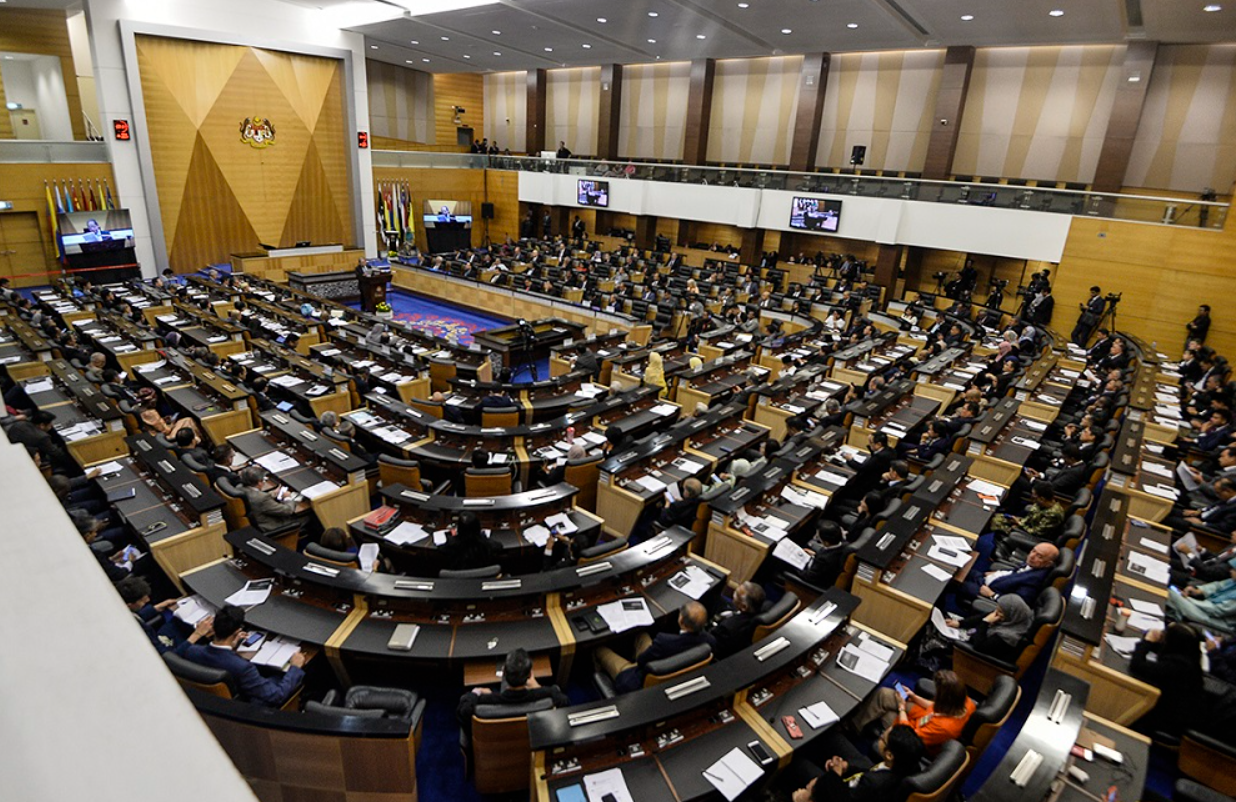
Their Members of Parliament (MPs) have also become increasingly influential in recent years, often playing a decisive role in determining which coalition forms the federal government.
Every election cycle, political leaders travel to Kota Kinabalu and Kuching seeking support. Following closely contested elections, East Malaysian parties frequently emerge as key players in coalition negotiations.
Yet while leaders from Sabah and Sarawak may help decide who becomes prime minister, none has ever held the office themselves.
To be clear, this is not an argument that Malaysia should have an East Malaysian prime minister simply for the sake of geography. Leadership positions should be earned through competence, experience and the confidence of Parliament, not allocated according to region.
However, the absence of any prime minister from Sabah or Sarawak after more than 60 years naturally invites reflection. Is it merely a coincidence of political circumstances, or does it reflect deeper assumptions about who is considered suitable to lead the nation?
A mature democracy should be open to leadership from every part of the country. A capable and respected leader from Kota Kinabalu or Kuching should be judged by the same standards as a leader from Kuala Lumpur, Johor Bahru or Penang.
This matters because representation is about more than symbolism. It shapes how citizens view their place within the nation.
Young Malaysians in Sabah and Sarawak are told that opportunities should be available to all regardless of where they come from. The same principle should apply to political leadership.
Malaysia often speaks of national unity, shared destiny and equal partnership. These ideals are important, but they must be reflected not only in speeches and celebrations, but also in the opportunities available within the country’s political system.
Perhaps the more relevant question is not whether Malaysia should have an East Malaysian prime minister. It is whether Malaysians are prepared to consider one when the right candidate emerges.
If Sabah and Sarawak are truly equal partners in the federation, then no political office should be regarded as permanently beyond the reach of their citizens. Leadership should ultimately be determined by merit, capability and parliamentary support, not by geography.
More than six decades after Malaysia’s formation, that is a conversation worth having.
KT Maran is a Focus Malaysia viewer.
The views expressed are solely of the author and do not necessarily reflect those of MMKtT
- Focus Malaysia.
No comments:
Post a Comment
Note: Only a member of this blog may post a comment.