
Every year around this time, we raise the Jalur Gemilang and repeat the same words about unity, and every year those words feel a little more worn.
So it is worth examining the formula that gave birth to the moment we are celebrating.
It was July 1955, and Malaya had just held its first federal election. Roughly 84 percent of registered voters were Malay, largely a consequence of citizenship rules that had kept most Chinese and Indian residents off the electoral roll.
The Alliance contested all 52 seats and won 51, with Umno winning 34 of them, MCA securing 15 and MIC with two. MCA won every seat it contested.
Think about that for a moment. In an electorate that was overwhelmingly Malay, 15 MCA members won elected seats, and the numbers tell us a lot about the formula employed.
If Malays made up 84 percent of the electorate, non-Malays were at most 16 percent of it. Yet MCA alone took 20.09 per cent of the valid vote, and MIC took a further 2.68 percent.
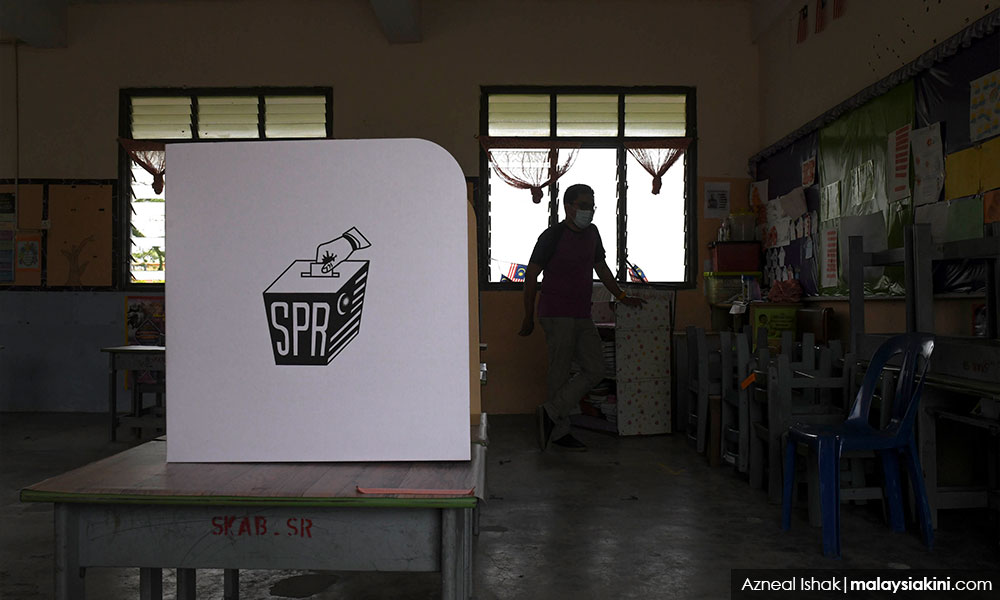
The two non-Malay component parties drew almost 23 percent of the votes cast from an electorate that was at most 16 percent non-Malay, and that is before accounting for the Labour Party, the Perak Progressive Party and the National Association of Perak, all of which contested and all of which drew non-Malay support.
The numbers would not have tallied without a very large number of Malay voters marking their ballots for Chinese and Indian candidates.
Lessons in seat allocation
That result tells us something about a decision the Malay political leadership took and about seat allocation. Historians of the period noted a substantial overrepresentation of minority Chinese candidates in the way the Alliance distributed its seats.
Umno gave away nearly a third of the slate to partners who brought it comparatively few votes.
The building blocks of the Alliance’s success in 1955 are often less remembered. When the Selangor MCA branch and the Kuala Lumpur Umno branch agreed in February 1952 not to contest against each other, and took nine of twelve municipal seats, there was no elected federal government to win and no prospect of one for another three years.
There was a colonial administration, a communist insurgency and a well-founded fear that the country would come apart before it was born.
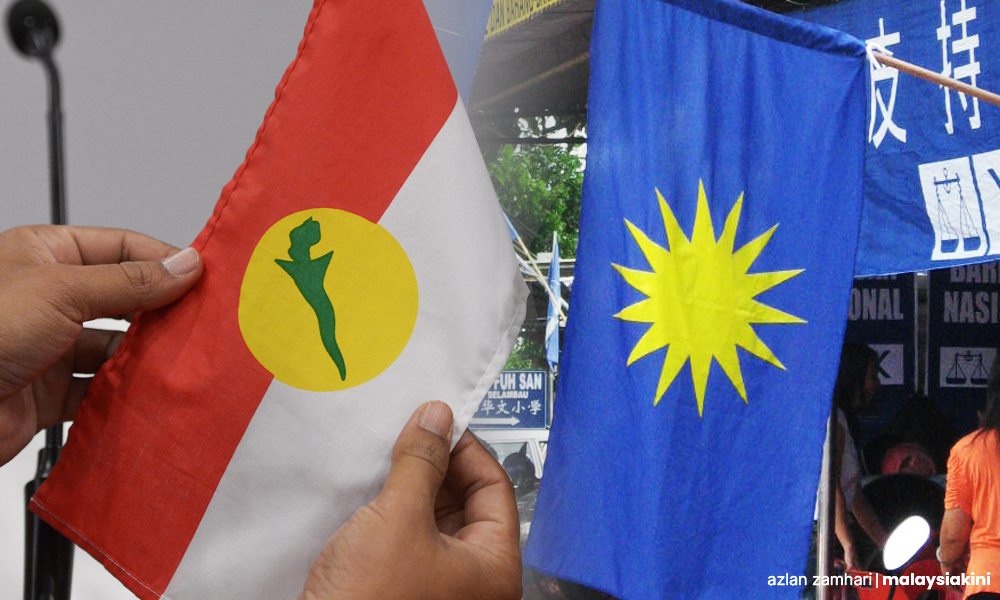
None of this means the arrangement was free of self-interest. British records of the period describe the early Umno-MCA bargain as transactional, resting on a mutual need for votes and for funds, and the original Selangor pact grew partly out of commercial ties between Umno figures and MCA businesspersons.
That is how most durable political arrangements begin.
What comes after
What matters is what came after. Three years before there was an elected government to share, each community was required to negotiate, bargain and accept terms its own community contested. This was the compromise, and the cost of staying on is what made the coalition hold.
Political scientists later gave the arrangement a name. Consociationalism describes a system in which the elites of each community represent their own segment and govern by consensus among themselves.
Diane Mauzy applied the concept to Malaya directly, and Johan Saravanamuttu’s account of mediated communalism describes what the Alliance did with it, which was to soften communal demands through elite bargaining before they reached policy.
Having said that, the objections to consociationalism are serious and should not be ignored. It bound each community’s outcomes to a single set of representatives; it is accused of elitism, and for long stretches it shielded the people running it from scrutiny they had earned.
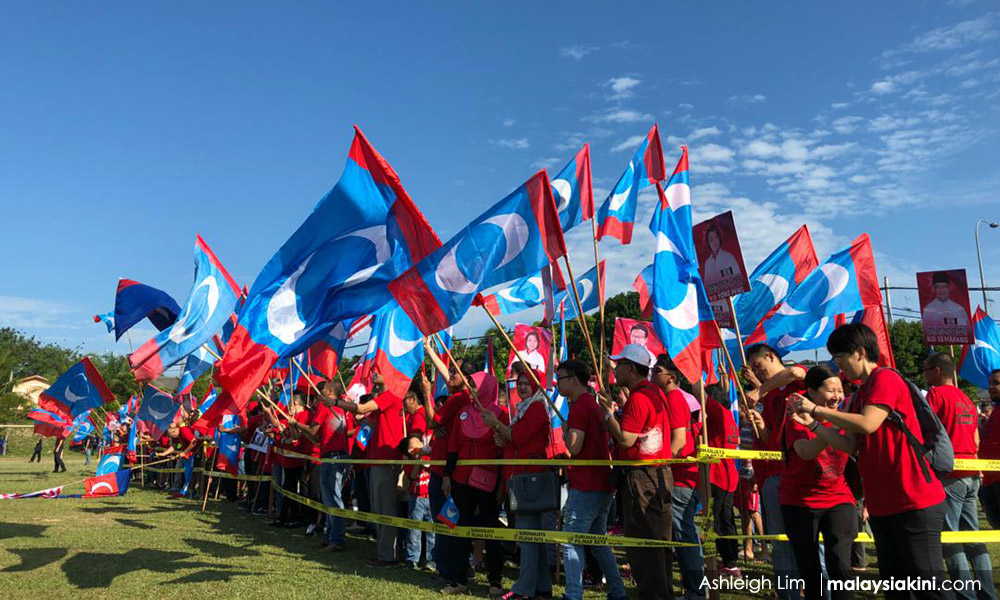
A generation of Malaysians then concluded, reasonably, that the price of consociational politics had become too high.
Which brings us to 2018.
Complicated outcome
The hope then was that broader political participation would make race-based political representation unnecessary. A larger, younger, better-informed electorate would handle communal interests and differences directly rather than through intermediaries claiming to speak on its behalf.
That expectation was reasonable. Eight years on, the outcome has been more complicated.
The electorate expanded through Undi18 and automatic registration on a scale unimaginable in 1955, and scrutiny of the political system intensified.
However, what has not shifted is that ethnic composition remains the strongest single predictor of how a Malaysian constituency votes.
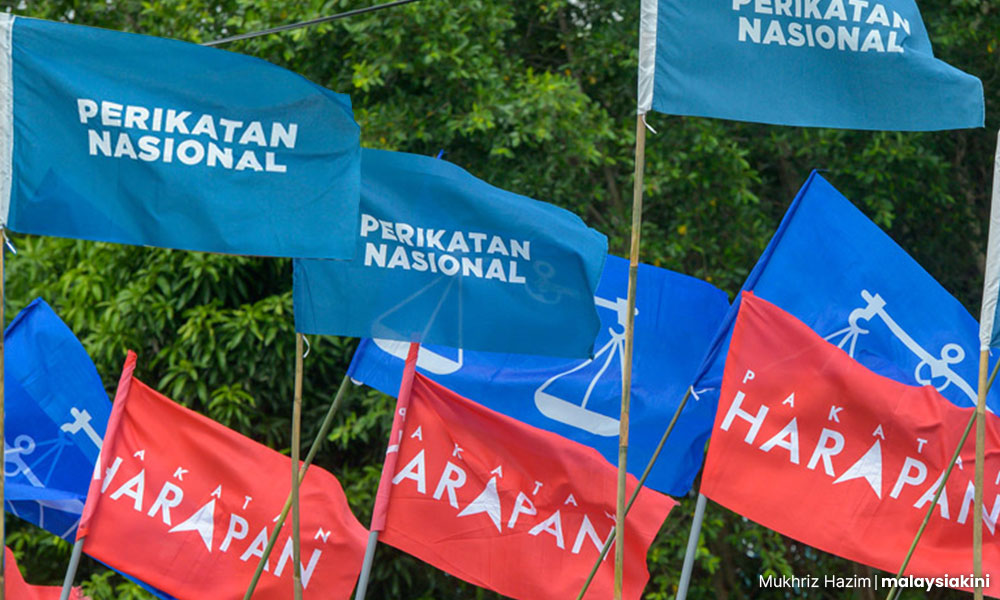
Coalitions did not become unnecessary. In fact, they became more numerous and much less stable. Participation rose while the need for accommodation for each community held steady, and those two facts turn out to be entirely compatible.
So every political coalition now appears to be rebuilding something that resembles the Alliance or BN model: a Malay-led core with non-Malay partners attached.
Each of them would dispute that description, and while PKR, Amanah and DAP are all multiracial by constitution, these parties function very much differently in practice rather than how they are written.
Pakatan Harapan is pursuing this, BN has always had it, and even Perikatan Nasional has been assembling its own version since Gerakan joined in 2020. This model is being copied in the hope of achieving the durability the Alliance established before independence and BN carried after it.
I doubt the copies will hold, and the reason has little to do with anyone’s sincerity.
Arrangements cobbled together
What made the original model work had little to do with its structure. Each community negotiated, bargained and accepted an outcome that could fairly be described as a compromise but which turned out to be greater than the sum of its parts.
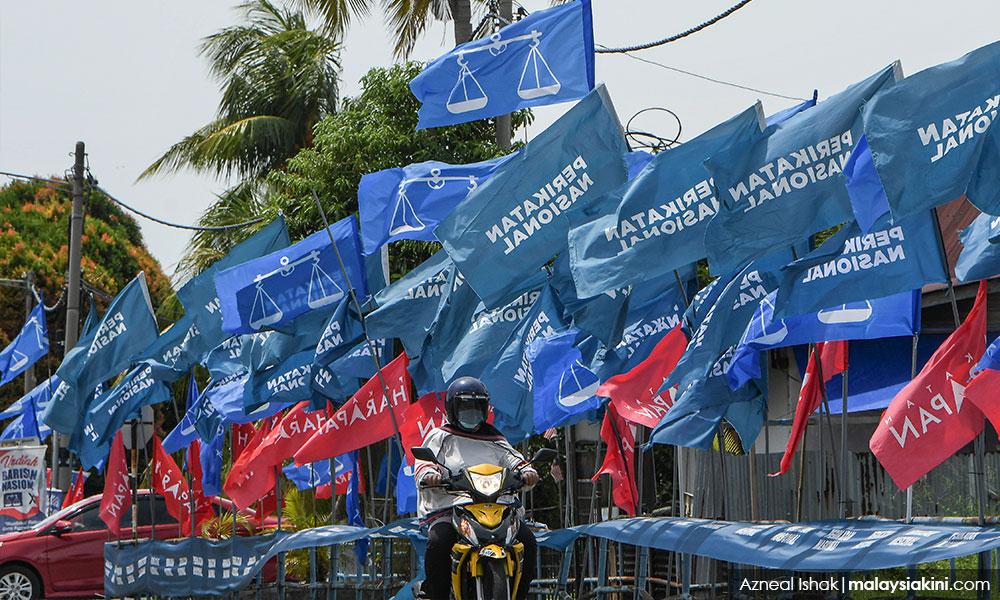
Today’s arrangements are often cobbled together after the votes are counted by political parties calculating what each needs from the other, with every partner then explaining to its supporters that it conceded nothing.
That is one method of forming governments, but it does not produce what made the 1952 and 1955 formula durable.
The leaders who made that bargain understood that failure would have been unaffordable, and they acted accordingly. What has faded since is less their virtue than their sense of consequence.
As the Jalur Gemilang goes up again on Merdeka morning, it is worth remembering that the people who first raised it had spent the preceding years building that foundation for every community that would come to call this place home.
Selamat Hari Merdeka! - Mkini
WOON KING CHAI is the director of MCA-linked Institute of Strategic Analysis and Policy Research (Insap). He previously served in senior roles in the federal government and private sector.
The views expressed here are those of the author/contributor and do not necessarily represent the views of MMKtT
No comments:
Post a Comment
Note: Only a member of this blog may post a comment.