MCA has questioned the government’s decision to increase the PERSADA public healthcare digitalisation programme from RM650 mil to RM1 bil, saying taxpayers deserve a clear explanation for the additional RM350 mil.
MCA Central Committee member Cally Ting said the party supports the digitalisation of Malaysia’s public healthcare system, including electronic medical records (EMR) and improved connectivity, but argued that the nearly 54% increase announced barely two and a half months after the programme’s initial launch raises important questions about spending priorities.
“What exactly does the additional RM350 mil buy? More facilities, better hardware, cybersecurity or data integration?” she asked.
Ting noted that the Health Ministry had told Parliament on July 8 that its existing Clinical Care Management System (CCMS) implementation was already enabling 81% of patients at the facilities concerned to see a medical officer within 60 minutes.
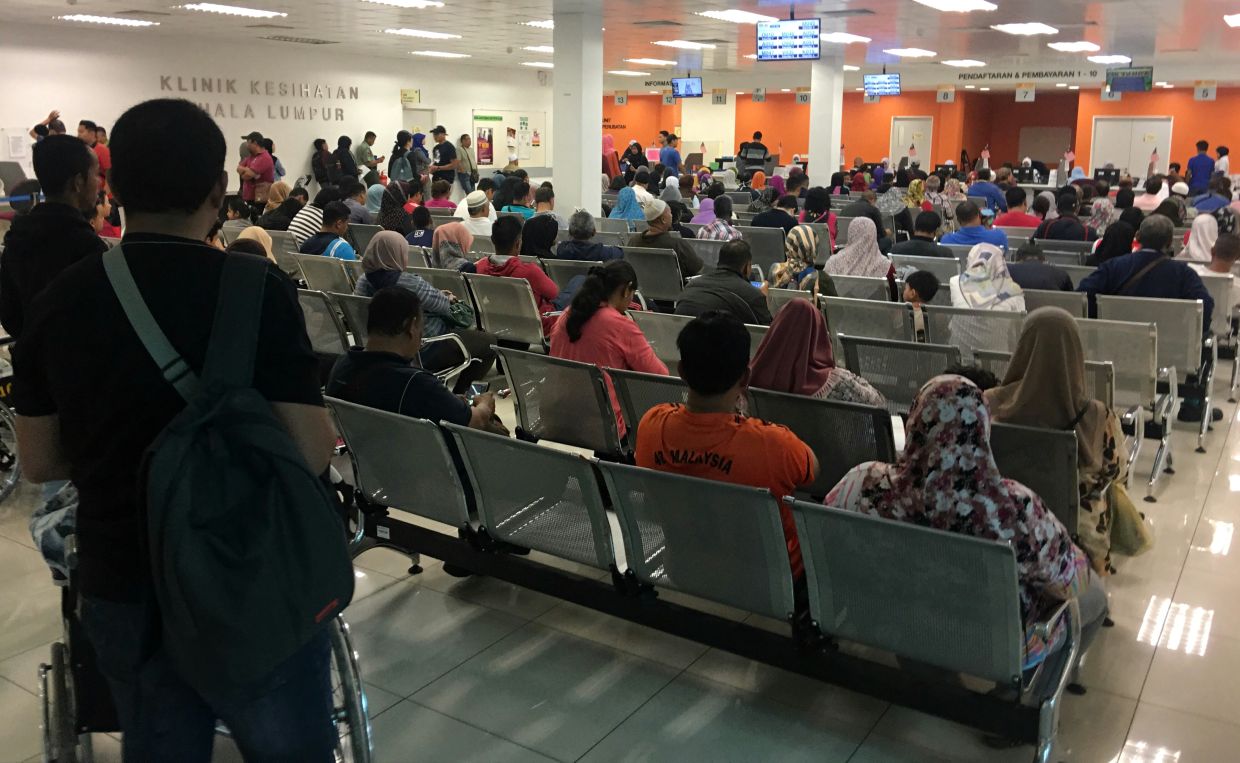
“If RM1 bil is now being justified partly on the basis of reducing waiting times, there should be measurable targets,” she said, calling on the government to disclose current waiting times, expected improvements, the number of facilities involved and the implementation timeline
She argued that discussions on digitalisation cannot be separated from staffing shortages in the public healthcare system.
According to Ting, the Health Ministry had 15,587 nursing vacancies and 2,901 assistant medical officer vacancies as of March 31, 2026. Between 2023 and 2025, she said, 3,511 medical officers and 1,257 medical and dental specialists left the public sector.
“This should not become a choice between high-tech systems and healthcare workers. Malaysia needs both,” she added.
While EMR systems can help reduce delays caused by difficult record retrieval, Ting said faster computer systems cannot solve waiting times if hospitals continue to face shortages of doctors and nurses.
he urged the government to explain why the programme’s allocation increased from RM650 mil to RM1 bil, specify what the additional RM350 mil would fund and outline how much patient waiting times are expected to improve after the investment.
“Patients do not merely need a more digital queue. They need a genuine attempt at shortening existing queues and wait times,” she stressed. ‒ Focus Malaysia
No comments:
Post a Comment
Note: Only a member of this blog may post a comment.