
We, the members of G25, welcome Prime Minister Anwar Ibrahim’s announcement that the Universities and University Colleges Act 1971 (UUCA) will be abolished and that any replacement law will not restrict the rights and freedoms of university students. This is a long-awaited development.
In 2011, Hishamudin Yunus, in his judgment as a Court of Appeal judge in the case of Muhammad Hilman bin Idham & Ors v Kerajaan Malaysia & Ors, rightly said the following:
“Most university students are of the age of majority. They can enter into contracts. They can sue and be sued. They can marry, become parents and undertake parental responsibilities. They can vote in general elections if they are 21 years old. They can become directors of a company. They can be office bearers of societies.
“Yet, and herein lies the irony, they are told that legally they cannot say anything that can be construed as supporting or opposing a political party. In my opinion, such a provision as s 15(5)(a) of the UUCA impedes the healthy development of the critical mind and original thoughts of students, objectives that seats of higher learning should strive to achieve.
“Universities should be the breeding ground of reformers and thinkers, and not institutions to produce students trained as robots.”
In addition, over the years, G25, together with other civil society organisations (CSOs), have called for the repeal and reform of the restrictive provisions of the UUCA that have limited the freedom of expression, assembly and political participation of both university students and academic staff.
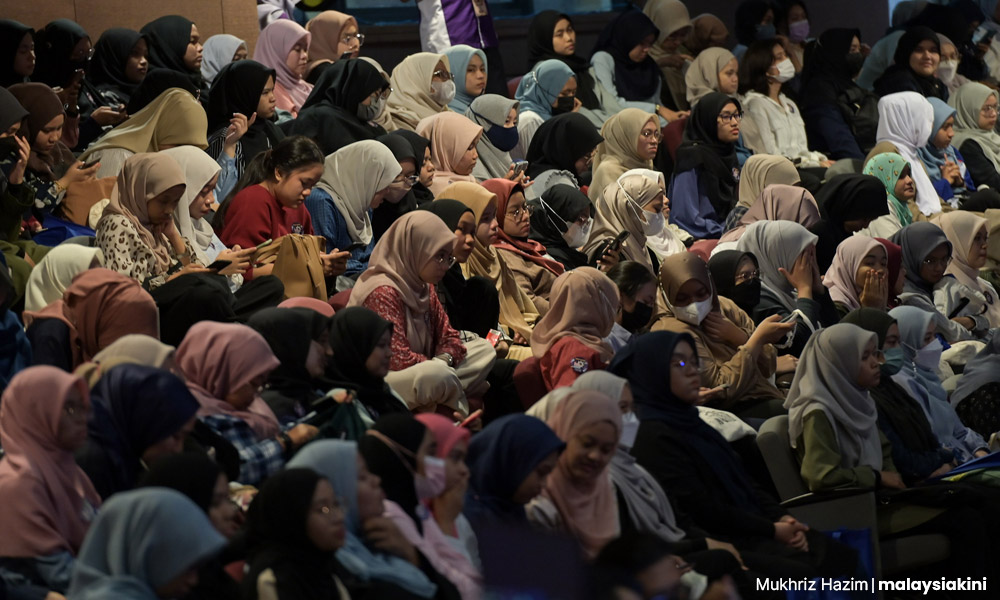
We have consistently maintained that Malaysian public universities cannot attain world-class standards or foster a culture of independent and critical thinking when administrative control over universities remains overly centralised and subject to ministerial or political oversight.
Universities should be spaces where young Malaysians are encouraged to think critically, exchange ideas, question established views and participate responsibly in the affairs of the nation. Youth empowerment must begin in higher education.
Ministerial influence
Another longstanding concern with the UUCA has been the degree of ministerial influence over the governance and leadership of public universities, including the appointment of vice-chancellors and other senior university leaders.
This has contributed to perceptions that university leadership is vulnerable to political considerations and may undermine the independence and autonomy of institutions of higher learning.
G25 therefore welcomes the move away from the UUCA and believes that any new framework must ensure that appointments to senior university positions are based on merit, academic and professional competence, leadership qualities and a commitment to institutional autonomy, rather than political considerations or ministerial discretion.
The independence of university leadership is fundamental to creating an environment in which academic freedom, critical thinking and intellectual inquiry can flourish.

The abolition of an outdated legal framework is an important opportunity to establish a fundamentally different relationship between universities, students and the government.
G25 believes that the principles of academic freedom, institutional autonomy, freedom of expression and freedom of association should guide any new law.
The prime minister’s assurance is therefore encouraging. We hope that the drafting process for any replacement legislation will be undertaken transparently and with extensive consultation with students, academics, university administrators, civil society and other stakeholders.
The substance of the replacement legislation will ultimately determine whether the government’s commitment to greater freedom is realised in practice.
GLC, GLICs: Significant public interest
G25 also welcomes the prime minister’s suggestion that a new law may be introduced to govern GLCs. Again, this is another area which G25 and other CSOs and experts have consistently been vocal about over the years, with research and proposals having been done and even presented to the government.
GLCs and GLICs manage substantial public resources and play an important role in Malaysia’s economy. Their governance is therefore not merely a corporate matter but one of significant public interest.
Existing arrangements have not always provided sufficient safeguards against political influence, conflicts of interest and appointments based on considerations other than merit and competence. Concerns over political appointments to the boards of government-linked entities remain a recurring issue.
This proposed legislation to govern GLCs provides an opportunity to establish clear and consistent governance standards across the GLC sector.

It should provide for a clear definition of GLCs and GLICs, transparent and merit-based criteria for the appointment of chairpersons and directors, proper disclosure of appointments and the qualifications of those appointed, safeguards against political patronage and conflicts of interest, and clear standards governing the responsibilities and independence of boards.
It should also strengthen transparency in procurement and related-party transactions, provide appropriate mechanisms for parliamentary scrutiny, and ensure robust reporting, auditing and public disclosure of the use and performance of public assets, among others.
Less dependence on govt
An independent governance system for GLCs should also emphasise that they need to be less dependent on the government for financial support.
If a GLC cannot survive on its own merits, it should be closed down.
GLCs are meant to play a creative role in corporate development so that while they perform certain social responsibilities, their activities should add to the national wealth.
G25 believes that the governance of GLCs should be based on the same fundamental principles that underpin good public administration, which are merit, transparency, accountability, integrity and independence from inappropriate political influence.
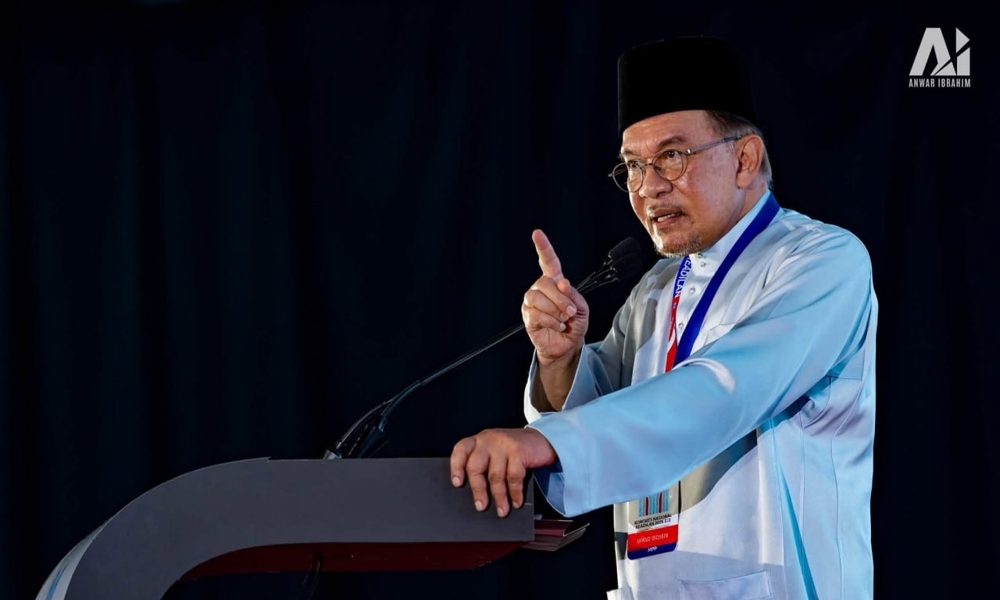
The two initiatives announced by the prime minister have the potential to advance Malaysia’s institutional reform agenda significantly. These reforms have been long overdue. We therefore regard the prime minister’s commitment as an important step in good governance.
G25 commends the prime minister for these commitments and urges the government to move decisively from announcement to implementation.
We look forward to seeing the proposed legislation developed through meaningful public consultation and, most importantly, reflected in laws that strengthen rather than weaken democratic institutions, good governance and public accountability. - Mkini
G25 is a group of influential Malays advocating moderation, constitutional rights, justice, and good governance in Malaysia.
The views expressed here are those of the author/contributor and do not necessarily represent the views of MMKtT.
No comments:
Post a Comment
Note: Only a member of this blog may post a comment.