
Environmental coalition Cerah has called for Malaysian companies to be held legally accountable for transboundary haze linked to their overseas operations and supply chains, as air quality worsens in several parts of the country.
The group also urged Putrajaya to enact a Clean Air Act and amend the Federal Constitution to explicitly recognise the right to a safe, clean, healthy and sustainable environment.
“Malaysians cannot continue to accept widespread public harm as an inevitable cost of economic development.
“Haze pollution is not an unchangeable reality. Decisive, ambitious policy interventions can turn things around,” Cerah said in a statement today.
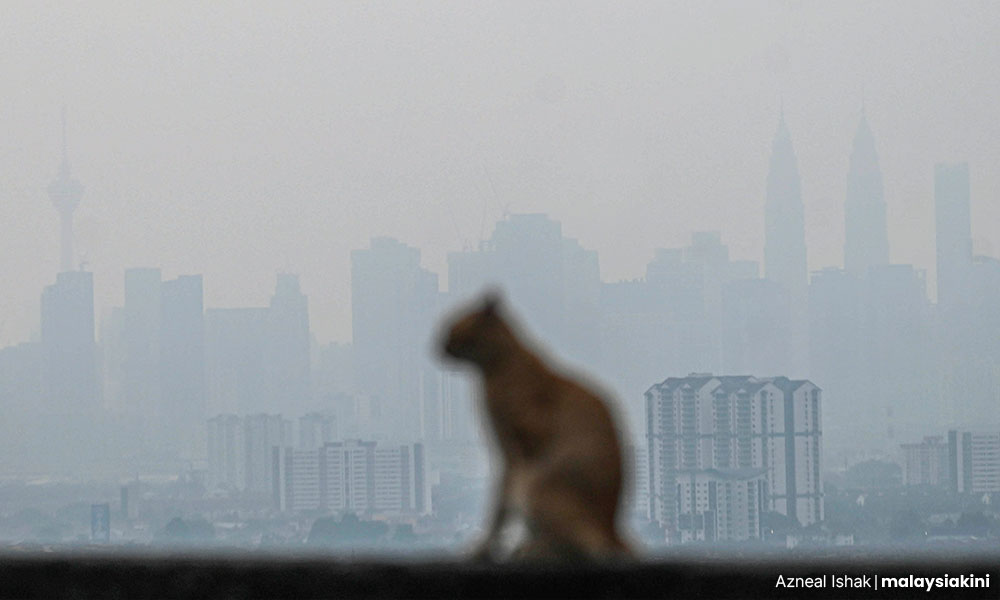
The coalition said recurring haze was not an unavoidable natural phenomenon, but a man-made crisis driven by unsustainable land-use changes, peatland drainage and degradation, industrial agricultural expansion and weak corporate oversight.
“Significantly, corporate actors fail to take adequate responsibility for what happens across their complex supply chains, prioritising short-term economic goals over environmental and social considerations.
“These structural factors converge and manifest as large-scale fire risks,” said the group.
During the 2019 haze crisis, Indonesian authorities said fires had been detected on land operated by subsidiaries of Malaysian companies, while in 2023 more than 200 companies were warned and 20 ordered to cease operations over fires, including Malaysian-linked firms.
Increased enforcement
Enforcement has intensified during the current haze episode, with President Prabowo Subianto ordering the revocation of licences of companies found to have ordered land burning.
Cerah made the call today amid worsening air quality, particularly in Sarawak, where several areas have recorded “very unhealthy” and “hazardous” Air Pollutant Index readings.
It cited Suhakam’s 2024 “Silent Enemy: Report on Haze Pollution and the Right to Clean Air”, which documented the health, economic and environmental impacts of haze.
The 2024 Suhakam report stemmed from a December 2021 complaint by Cerah, Greenpeace Malaysia and other groups, which said recurring haze was a human rights issue and highlighted gaps in Malaysia’s air pollution and corporate accountability laws.
The complaint urged Suhakam to examine whether existing laws and court procedures adequately protected the right to clean air, including where Malaysian-linked companies or supply chains contributed to pollution overseas.
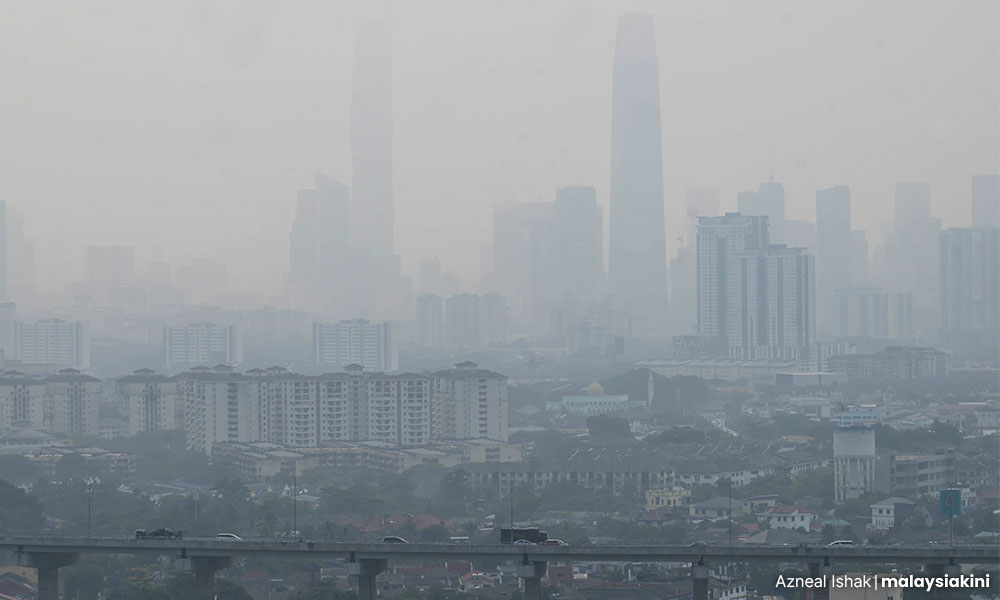
According to Cerah, exposure to fine particulate matter can contribute to respiratory illness, cardiorespiratory hospitalisations and premature deaths, with children, senior citizens, pregnant women and outdoor workers among those most vulnerable.
Haze also reduces productivity and disrupts tourism, aviation and agriculture, while peatland fires worsen carbon emissions and damage ecosystems, it added.
Only one of six
Cerah said only one of Suhakam’s six recommendations has been implemented - the launch of the National Action Plan on Business and Human Rights in 2025.
It also questioned whether the plan and the National Sustainability Reporting Framework had changed corporate practices.
“Frameworks on paper mean nothing if they fail to improve on the systemic practices that lead to seasonal fires on the ground,” it said.
The coalition urged Malaysia to push for a legally binding protocol under the Asean Agreement on Transboundary Haze Pollution requiring member states to enact domestic laws covering transboundary liability.
It said such laws should enable action against companies, parent firms and investors whose overseas activities or supply networks contribute to haze.
Have Clean Air Act
Cerah also called for a Clean Air Act imposing enforceable duties on federal and state governments to maintain healthy ambient air quality and allowing civil and criminal action against those responsible for transboundary pollution.
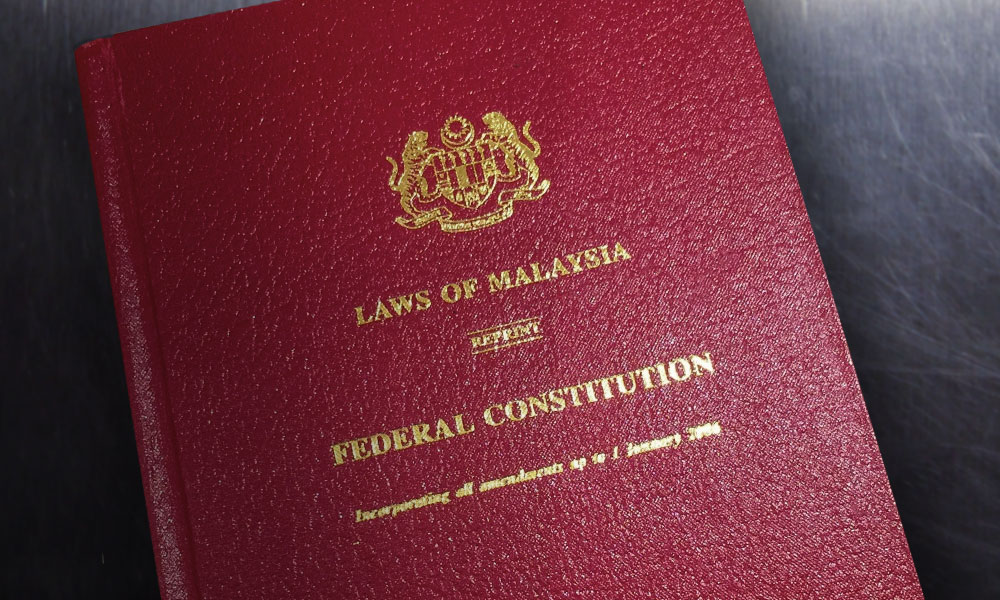
It further urged the government to amend Article 5(1) of the Federal Constitution, which guarantees the right to life, to expressly recognise the right to a safe, clean, healthy and sustainable environment.
Other demands include specialised court procedures for environmental cases, stronger corporate sustainability disclosure requirements and faster implementation of the Sustainable Development Goals.
“Clean air is achievable with an appropriate governance framework that makes public and ecosystem health its explicit objective.
“The government must demonstrate this legislative leadership by enacting binding, rights-based reforms because clean air is an absolute constitutional right,” Cerah added.
Twenty-five civil society groups and institutions, including Suhakam, Greenpeace Malaysia, Sahabat Alam Malaysia, the Consumers’ Association of Penang, WWF-Malaysia, the Center to Combat Corruption and Cronyism, the Centre for Independent Journalism and Parti Sosialis Malaysia endorsed the statement. - Mkini
No comments:
Post a Comment
Note: Only a member of this blog may post a comment.