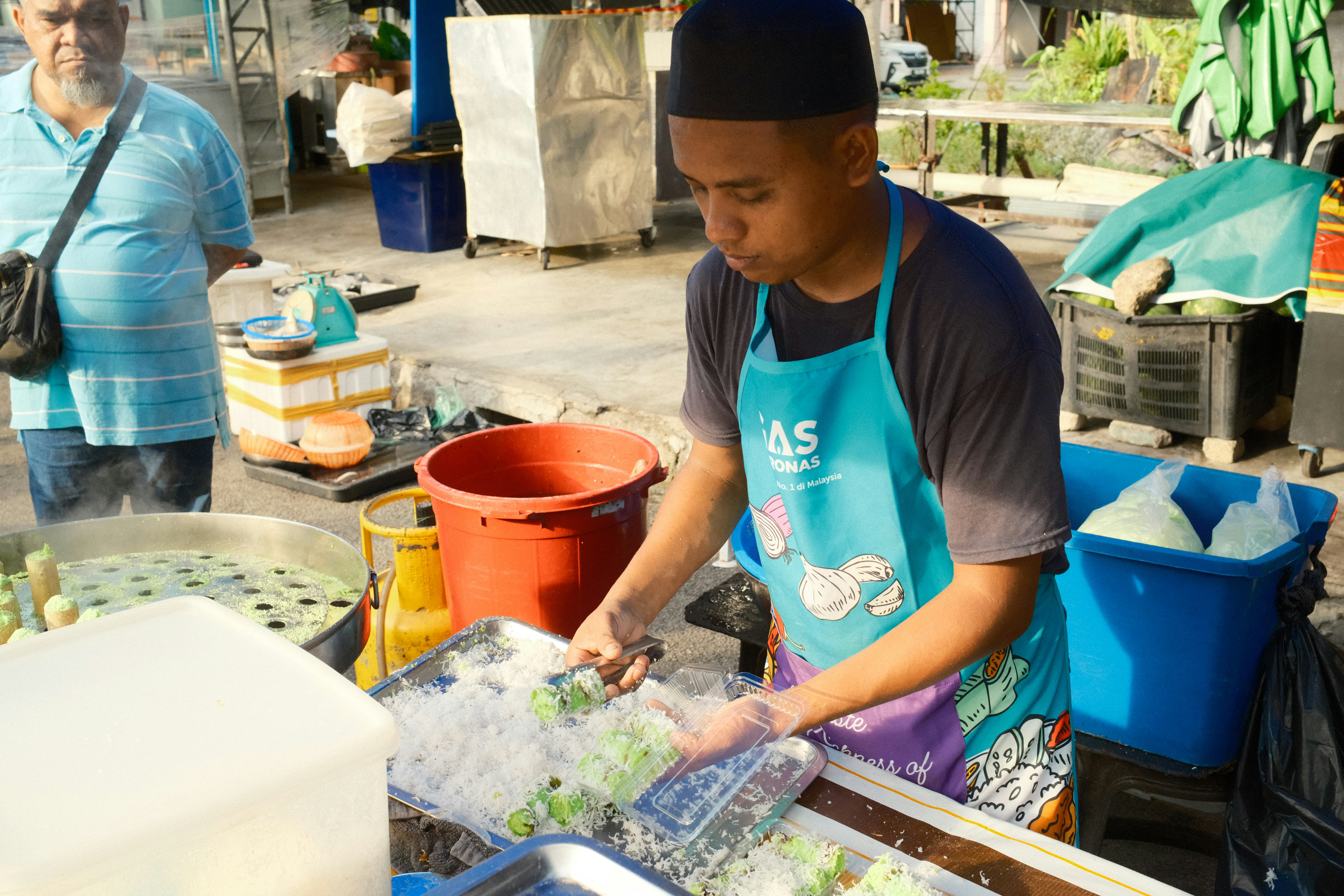
MALAYSIA has a habit of romanticising rural entrepreneurship.
We celebrate stories of hardworking village women, home-based food sellers, small family businesses and young people returning to their hometowns to build something from scratch.
These stories are inspiring, but inspiration alone does not build a strong business ecosystem.
If rural entrepreneurs matter to Malaysia’s economy, we must stop treating them as feel-good stories and start treating them as economic actors.
The numbers justify this shift. According to the Department of Statistics Malaysia’s Micro, Small and Medium Enterprises 2025 publication, MSMEs contributed 39.7% of GDP in 2025, generating RM689.8 bil in value added, while employing 8.09 million people, or 48.7% of the workforce.
These businesses are not sitting at the edge of the economy. They are deeply embedded in it. In rural areas, they generate household income, create local jobs, sustain supply chains and preserve community-based skills.
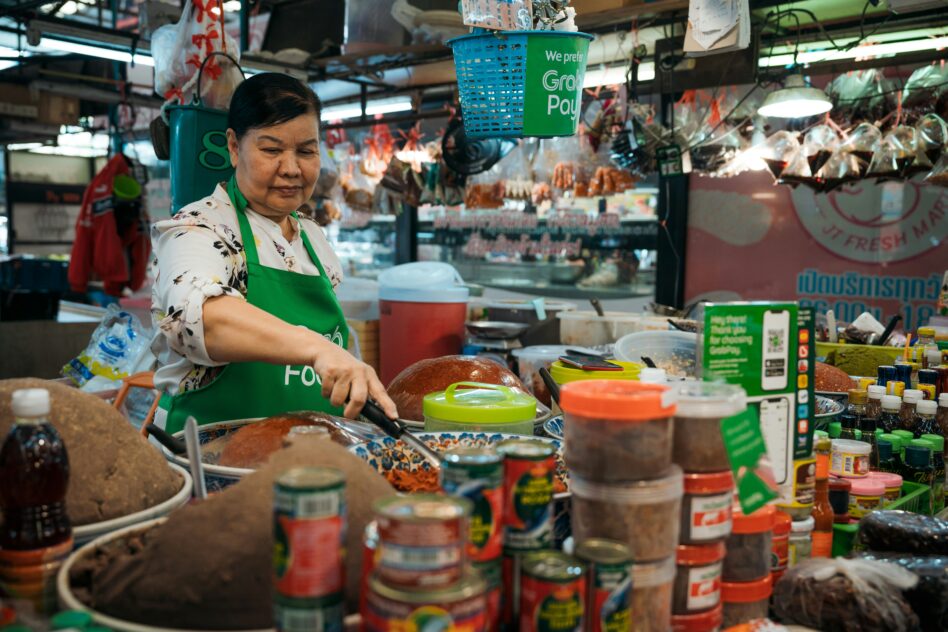
Yet too often, rural entrepreneurs are still treated primarily as recipients of assistance.
Much of the conversation revolves around grants, equipment and training. Those questions matter, but they are incomplete. The more important question is what happens after the assistance is given. Does the business become stronger?
Many rural entrepreneurs do not lack effort. They lack structure.
They may have a good product but no clear market positioning. They may have customers but no strategy for retaining them. They may post regularly on social media but use it as a noticeboard rather than a tool for building demand.
This is not a failure of attitude. It is a strategy gap.
As a lecturer in strategic management and entrepreneurship, I believe this deserves far more attention.
Businesses grow because entrepreneurs make deliberate choices. Who is the target customer? What problem does the product solve? What makes it different? Does the pricing make sense? How much production can realistically be managed?
These are fundamental questions, yet many early-stage rural entrepreneurs are left to answer them alone.
I saw this firsthand in Perlis, where I met a young woman running a traditional food business. She wanted her product to become a recognised “Made in Perlis” brand. She did not need sympathy. She needed guidance to turn that ambition into a practical business strategy.
Her experience is far from unique.
Across Malaysia, many rural businesses are built on powerful assets: local food heritage, agriculture, crafts, tourism experiences and generations of knowledge. The mistake is assuming that rural automatically means limited.
In today’s market, rural identity can be an advantage. Consumers increasingly value authenticity, origin and trust. A village-made product is not automatically inferior to one produced in an urban factory. Sometimes its local roots are precisely what make it distinctive.
But authenticity cannot sell itself. It must be organised, communicated and delivered consistently.
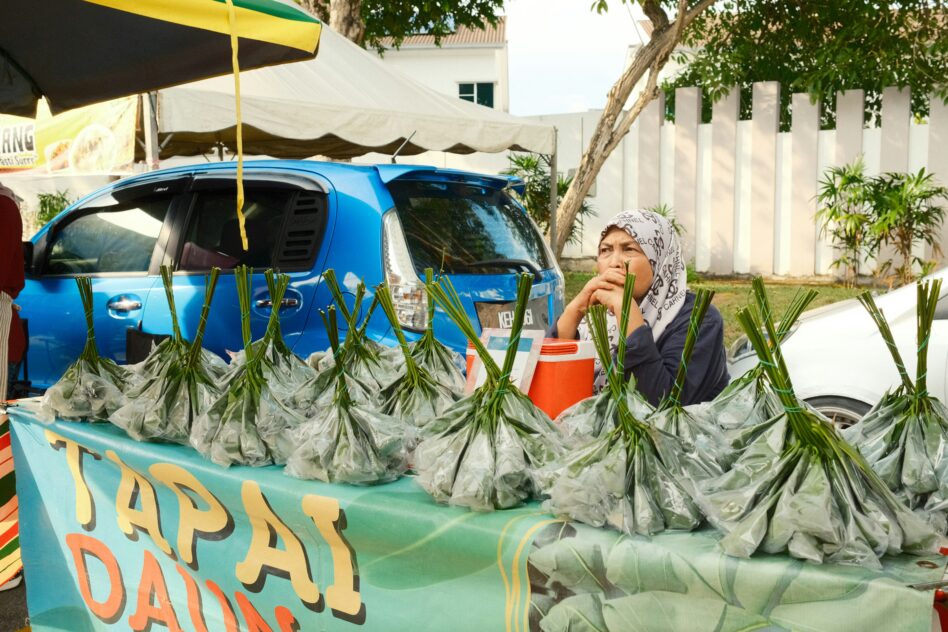
This is where many rural development programmes should become more honest. One-off grants without follow-up rarely create stronger businesses. Equipment without market access solves only part of the problem.
Generic social media workshops do little without helping entrepreneurs build a content strategy and understand their customers.
If we are serious about rural entrepreneurship, we need better measures of success.
Do entrepreneurs understand their customer segments? Have they improved packaging? Can they calculate costs accurately? Are they building repeat customers? Are they ready to fulfil larger orders? Can their products connect with tourism or local branding initiatives?
These questions may be less glamorous than launching another programme, but they are far more useful.
The Rural and Regional Development Ministry’s Strategic Plan 2026‒2030 already points in the right direction by prioritising rural entrepreneurship, digitalisation, online marketing, value chains and greater participation by women and youth. The challenge now is translating those priorities into practical support on the ground.
That support must become an ecosystem.
Local agencies, universities, tourism players, financial institutions, community leaders and experienced business mentors all have a role to play, but their efforts need to be coordinated.
Otherwise, entrepreneurs will continue moving from programme to programme without seeing meaningful improvements in their business model.
Universities, in particular, should become closer partners in rural enterprise development. Academics do not need to run businesses, but they can help entrepreneurs analyse their strengths, identify gaps and build realistic growth strategies.
The benefits extend beyond individual businesses. A successful rural entrepreneur can attract visitors to discover other local products, create demand for nearby suppliers and encourage others in the community to improve their own enterprises.
This is why rural entrepreneurship should be seen not simply as income generation, but as local economic development.
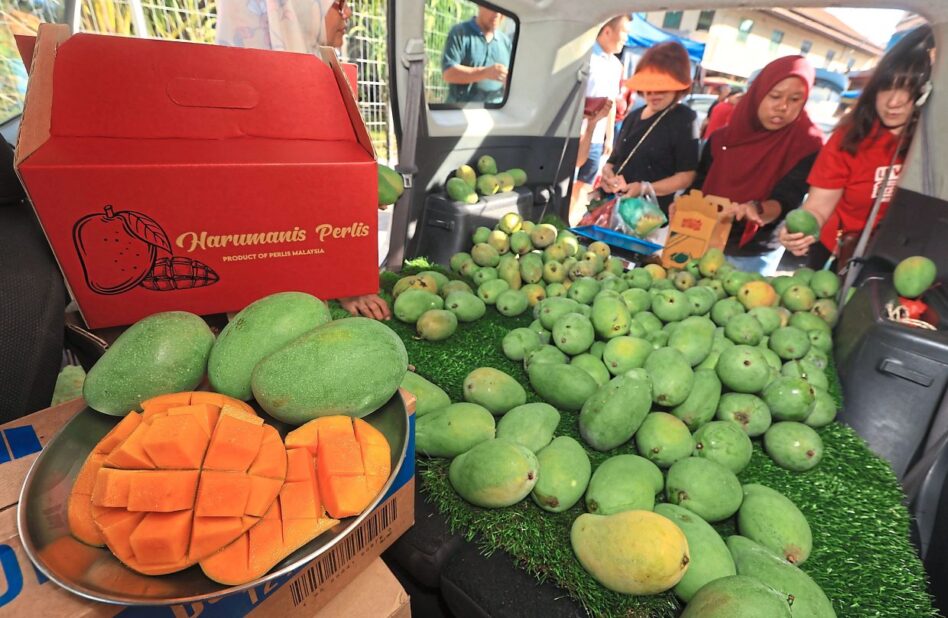
For Perlis, this matters. The state is rightly known for Harumanis mangoes, but one seasonal product cannot carry the rural economy throughout the year.
Like every other state, Perlis needs a broader portfolio of products and experiences that can generate value across the calendar.
The same principle applies nationally.
Malaysia does not need to romanticise rural entrepreneurs. It needs to invest in their ability to compete.
The question is no longer whether they have potential. They already do. The real question is whether our support system is strategic enough to match that potential.
Dr Nadiah Mahmad Nasir is a Senior Lecturer in Strategic Management and Entrepreneurship at the Faculty of Business & Communication, Universiti Malaysia Perlis (UniMAP).
The views expressed are solely of the author and do not necessarily reflect those of MMKtT.
- Focus Malaysia.
No comments:
Post a Comment
Note: Only a member of this blog may post a comment.