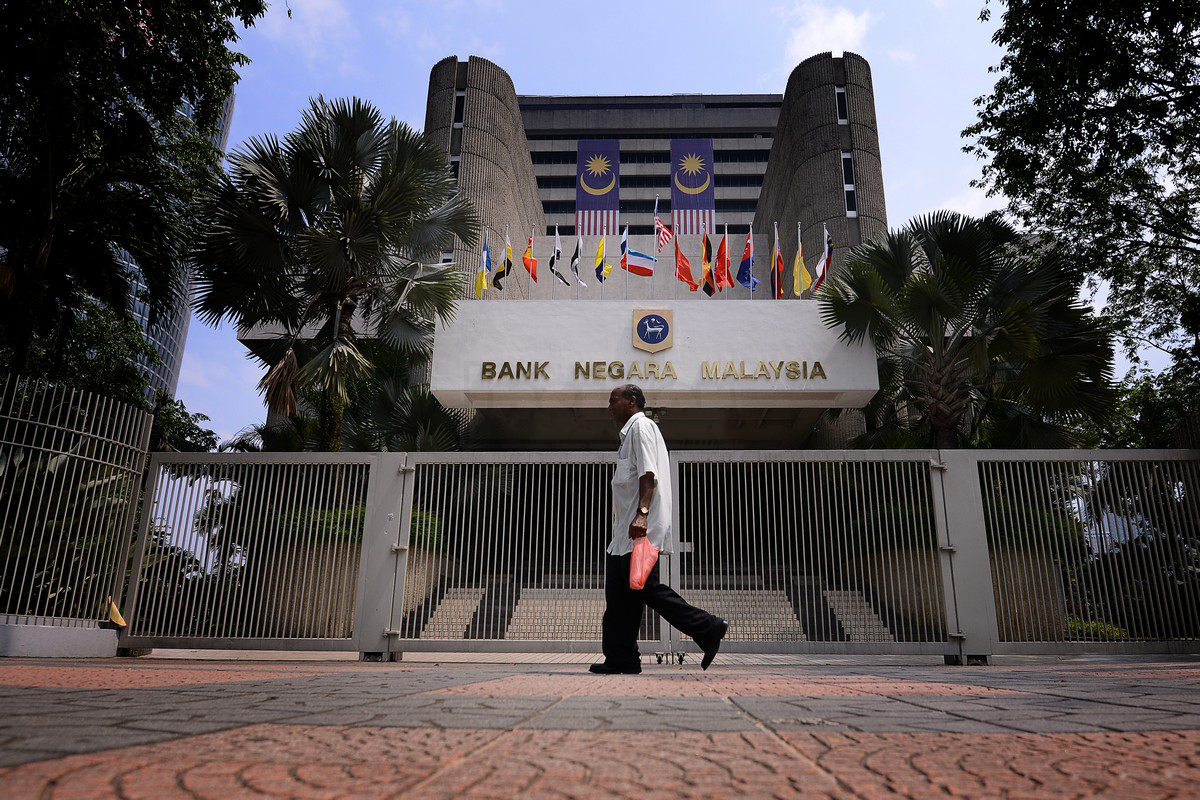
MALAYSIA’S household finances tell an interesting story.
At the end of 2025, household debt stood at 84.8% of GDP. Yet borrowers were largely keeping up with their commitments.
Bank Negara Malaysia reports that the median debt-service ratio for outstanding household loans remained at 33%, while overall household credit quality stayed sound.
That is reassuring. But paying every instalment on time does not necessarily mean a household has room for the unexpected.
A family can have no arrears, meet every loan payment and still be vulnerable to a temporary loss of income, an unexpected repair or a sudden increase in essential expenses.
That distinction matters now.
On Sept 3, Bank Negara kept the Overnight Policy Rate (OPR) at 2.75%, where it has remained throughout this year.
Malaysia’s economy expanded by 5.7% in the first half of 2026, while headline and core inflation averaged 1.8% and 2.0% respectively over the first seven months. The next Monetary Policy Committee meeting is scheduled for Nov 5.
These are encouraging indicators. But national stability does not automatically translate into household resilience.

The more useful question for families is not whether the next OPR decision changes by a quarter of a percentage point. It is how much financial breathing room remains if circumstances change.
Department of Statistics Malaysia data provide useful context. Housing and utilities, restaurants and accommodation, food and beverages, and transport together accounted for 67.2% of household consumption expenditure in 2024.
This does not mean Malaysian households are broadly in distress. It does show how several major spending needs compete for space within the same monthly budget.
Then come the financial commitments.
A mortgage may be manageable. So may a car instalment. A credit-card payment, insurance premium or Buy Now, Pay Later instalment may each seem affordable on its own.
The vulnerability often lies not in any single payment, but in their accumulation.
Household fragility can develop quietly, one manageable commitment at a time.
That is why we propose a simple Household OPR Stress Test.
Start by listing every fixed and recurring commitment: housing financing, vehicle loans, personal financing, credit cards, BNPL instalments, insurance, education expenses and other regular payments.
Then imagine a less comfortable month.
Could higher living or financing costs be absorbed without taking on more credit? Could an unexpected RM1,000 or RM2,000 expense be covered from available resources? If income fell temporarily, how long could essential commitments still be maintained?
The purpose is not to create anxiety. It is to reveal something an ordinary monthly budget can easily hide: how little room may remain after everything considered “affordable” has been added together.
This is why affordability and resilience should not be treated as the same thing.
Affordability asks whether we can make a payment under today’s circumstances. Financial resilience asks whether we can continue functioning when those circumstances change.
That distinction matters even more as financial decisions become easier and faster to make.
Credit itself is not the problem. It supports home ownership, mobility, education and investment. Nor should every BNPL transaction be regarded as harmful.
Bank Negara notes that BNPL exposures remain small at just 0.3% of household debt, although their rapid growth warrants close monitoring.
The greater risk is that convenience can make the combined weight of multiple commitments harder to see.
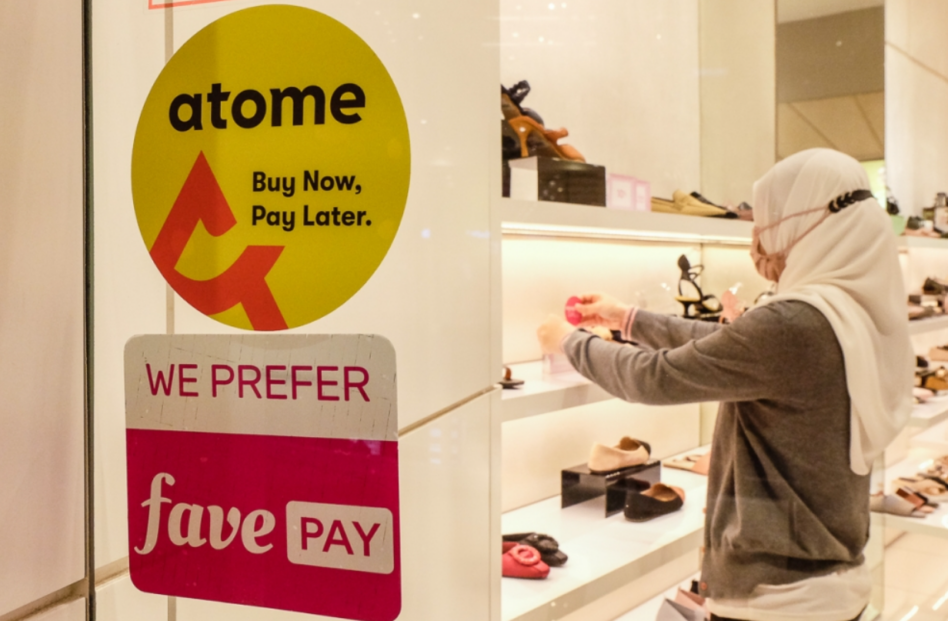
A RM100 monthly payment feels small. So does another RM150 instalment. But payday does not experience those commitments separately.
This is why financial education increasingly needs to become just-in-time.
Consumers need more than reminders to budget and save. At the moment they take on a new commitment, they should also ask how it changes their overall obligations and their ability to absorb a setback.
The question should move beyond “Can I afford this?” to “What will I still be able to afford after this?”
Bank Negara will continue setting monetary policy based on inflation, growth and broader economic conditions. Households cannot control that path.
They can, however, control how much room they leave themselves.
Financial resilience is not simply the ability to keep paying when everything goes according to plan. It is the ability to retain choices when something does not.
Perhaps the number households should watch most closely is not the next OPR.
It is how much of next month’s income has already been promised before next month even begins.
Dr Amirah Shazana Magli is a Senior Lecturer at the Faculty of Business and Economics, Universiti Malaya, and Executive Committee Member of the Malaysian Consumer and Family Economics Association (MACFEA). Prof Dr Mohamad Fazli Sabri is Professor at Universiti Putra Malaysia and president of MACFEA.
The views expressed are solely of the author and do not necessarily reflect those of MMKtT.
- Focus Malaysia.
No comments:
Post a Comment
Note: Only a member of this blog may post a comment.