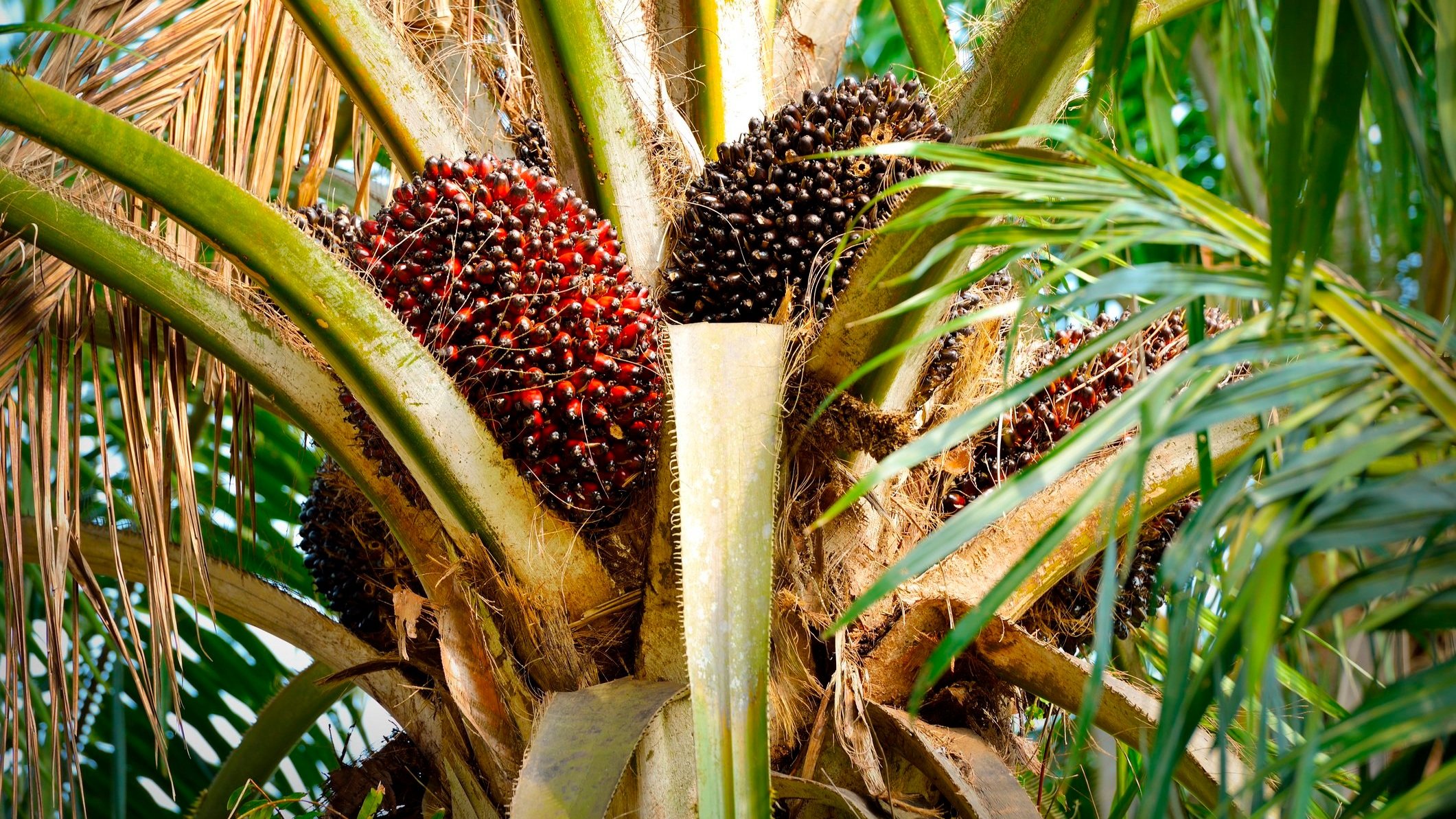
THE local plantation sector could benefit from firmer crude palm oil (CPO) prices in 2027 as Indonesia’s expanding biodiesel mandate and the delayed effects of El Niño threaten to tighten global supply.
Hong Leong Investment Bank (HLIB) raised its 2027 average CPO price assumption to RM4,500 per tonne from RM4,300 previously, while maintaining its 2026 forecast at RM4,450 per tonne.
HLIB also retained its Overweight rating on the plantation sector, expecting stronger demand and potential production losses to support prices into next year.
Indonesia’s nationwide rollout of B50 biodiesel, which began on July 1, 2026, is expected to increase domestic palm oil consumption significantly.
Once fully implemented, the mandate could add about three million tonnes to annual CPO consumption compared with the existing B40 programme, equivalent to around 6% of Indonesia’s 2025 production.
The development could tighten the regional palm oil supply-demand balance, potentially supporting prices received by Malaysian plantation companies.
Meanwhile, the risk of weather-related production disruptions is increasing. The US National Oceanic and Atmospheric Administration has raised the probability of a historically strong El Niño occurring between October and December 2026 to 75%.
Drier-than-usual conditions are already affecting key Indonesian oil palm-growing areas, particularly Kalimantan.
However, HLIB expects the more significant impact on yields to emerge in 2027, as weather stress typically affects production with a lag.
Indonesia’s enforcement against plantations operating illegally within forest areas could further constrain supply through the loss of productive acreage and disruptions to estate operations.
For Malaysia, these developments come as near-term inventories remain elevated. National palm oil stocks rose 7.5% month-on-month to 2.82 mil tonnes in August 2026, following higher production and weaker exports, particularly to India.
HLIB expects inventories to remain high over the next one to two months before easing as seasonal production declines and El Niño begins to weigh more heavily on output.
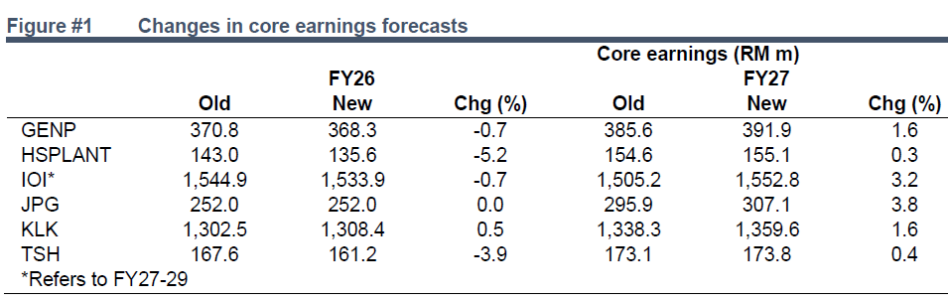
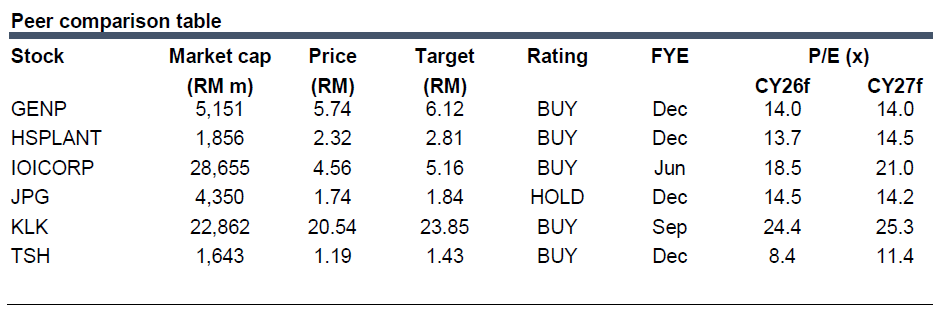
HLIB also upgraded Kuala Lumpur Kepong (KLK) to Buy from Hold, citing greater clarity over the group’s underlying asset values following a major Synthomer impairment.
Its preferred stocks remain Hap Seng Plantations and IOI Corp.— Focus Malaysia
No comments:
Post a Comment
Note: Only a member of this blog may post a comment.