
Last month, DAP's former Bangi MP Ong Kian Ming created buzz when he pledged support for a theoretical Khairy Jamaluddin premiership, saying he would gladly serve in the former Umno leader’s cabinet.
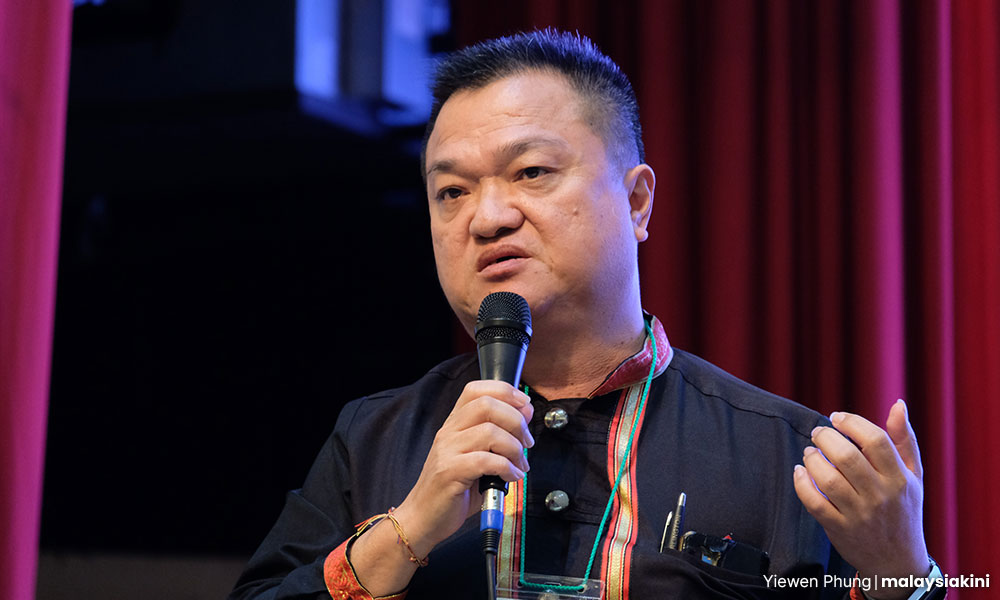
While the prospect created excitement, the realities of Malaysian politics make it very unlikely that Khairy (above) would become prime minister in the near future.
This is because the parliamentary system requires Khairy to have support from elected politicians and party institutions - not the public - to become prime minister.
As it stands, Khairy is a political outsider after he was sacked from Umno - a party whose fortunes are in decline - while the first-past-the-post (FPTP) election system makes it difficult for any new party to gain a foothold.
However, a proposal that is being studied may provide the former Umno Youth chief the necessary platform to expand his popularity while proving he has the administrative chops to run a country: a mayoral election for Kuala Lumpur.
If adopted, it would be the first public executive post in the country to be elected directly by the people.
Ways to open up political system
Speaking to Malaysiakini, Sunway University political scientist Wong Chin Huat said having a mayoral election was one of two simple ideas that could open up the political landscape.
"For Khairy and Ong to form a new party and be prime minister, their new party must set out to steal enough votes and seats from some existing party to emerge as the largest. Not impossible, but the field is crowded.
"The most realistic way to open up the political system is not changing our constitutional monarchy or parliamentarianism, but by doing something simpler - (a) change the electoral system to have a substantial percentage - if not all - of party-list seats, allowing a new party to come into power.
“And (b) having a metropolitan mayoral election for charismatic leaders like Khairy to build a national following such that popular support may help him to build a coalition before or after the election, even if his party cannot win a majority," Wong said.
A party-list proportional representation system, as Wong has championed, is one where parties get a share of seats proportional to their vote share.
It is a system that allows new and small parties to gain seats and influence, while avoiding the pitfalls of the FPTP system, where in a multi-cornered fight, those with the most votes win, even if it's with less than 50 percent of the votes.
Right wing pushback
While mayoral election would mark a significant evolution for Malaysian democracy, there are significant hurdles to overcome.
Namely, buy-in from right-wing Malay-based political parties, who have long opposed the local council election, claiming it would erode Malay power in urban areas where non-Malays are the majority.

Already, Umno leaders have had a knee-jerk reaction to the mayoral election study, fanning racial sentiments while not making any merit-based arguments.
PAS is also expected to mount objections, although Selangor PAS Youth chief Sukri Omar has given a measured response in raising concerns over the proposal.
Such objections would weigh heavily on Putrajaya's decision on whether or not to adopt any form of local election.
Prime Minister Anwar Ibrahim has shown that he can be swayed by Malay sentiments, a key voter demographic that his Pakatan Harapan coalition is lacking support from.
However, Anwar's pandering to right-wing sentiments is also risking non-Malay support for Harapan, and may upset the coalition's dominance of Kuala Lumpur politics over the last decade. - Mkini
No comments:
Post a Comment
Note: Only a member of this blog may post a comment.