
A government study into the feasibility of Kuala Lumpur mayoral elections has sparked fierce political debate, with PAS warning of a governance crisis and DAP accusing its rival of fear-mongering to avoid democratic accountability.
In a strongly worded statement today, Federal Territories PAS Youth chief Azmer Syazwan Suparmin warned the government against proceeding with the study, arguing that an elected mayor does not align with the Federal Constitution and that it threatens the governance structure of the city.
Azmer said that a hasty job driven by political motives could also trigger serious governance issues within the capital.
“If implemented hastily or driven by political motives, it could trigger the most serious urban governance crisis since Kuala Lumpur was declared a Federal Territory in 1974.
“Any move to elect the mayor without a comprehensive constitutional overhaul is a dangerous oversimplification,” he said.
Azmer stressed that the existing system, in which the mayor is appointed by the federal government, is adequate, as it was deliberately designed to protect national interests and prevent narrow political dominance.
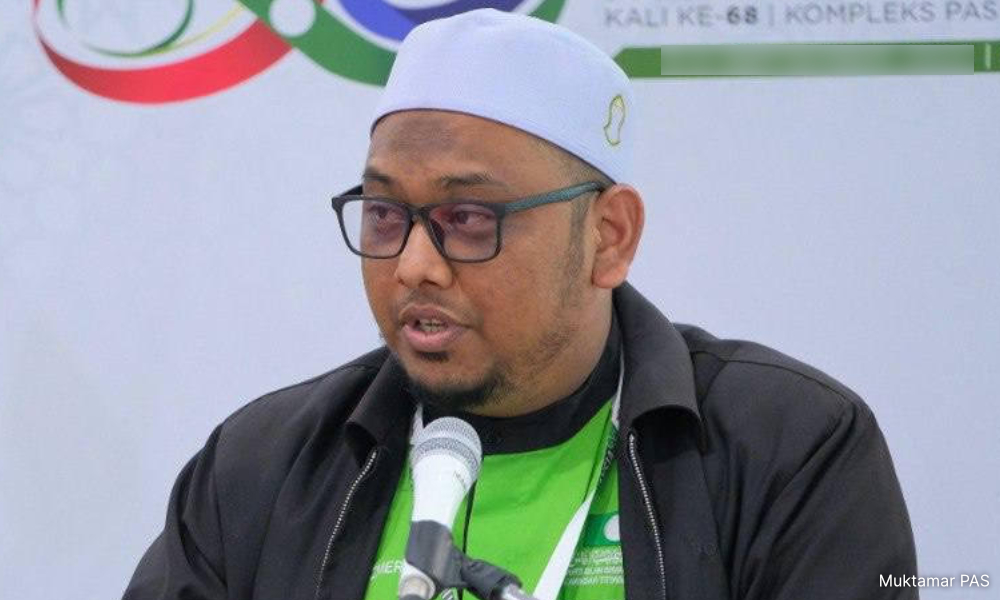
The PAS leader went on to claim that an elected mayor will also possess stronger political legitimacy than MPs, with the potential to disregard the counsel of MPs and become a city "political strongman" without mechanisms for separation of powers.
"This is more dangerous than the existing appointment system, which remains subject to cabinet and parliamentary control.”
Azmer also raised concerns over social equity, claiming that mayoral polls could push marginalised groups further away.
“Kuala Lumpur has a non-Malay majority, high-income voter concentration and wide socio-economic disparities between landowners and renters.
“Without robust safeguards, urban Malays, low-cost housing residents, and vulnerable groups will be systematically pushed away in the mayoral selection process,” Azmer claimed.
He also branded the idea for local council polls as a "populist narrative that obscures long-term risks”.
"We issue an early and open warning to the Federal Territories minister. Do not turn Kuala Lumpur into a laboratory for political experimentation. Don’t mortgage the stability of the city for the sake of certain ideological demands.
"Do not test the patience of city residents who are struggling with the cost of living, housing and security," he added.
As alternatives, Azmer proposed strengthening the Kuala Lumpur City Hall (DBKL) advisory council, expanding community representation in urban planning, and conducting a comprehensive review of the Federal Capital Act 1960.
"Kuala Lumpur is not merely a city. It is the trust of the ummah and the lifeblood of the nation," Azmer added.
PAS using ‘narrative of fear’
In response, DAP Youth dismissed PAS’s objections as fear-driven and racially charged, accusing the Islamist party of opposing mayoral elections due to its lack of support in urban constituencies.
DAP Youth secretary Lim Chun Weng claimed PAS’ resistance was not grounded in constitutional or social justice concerns, but in anxiety over the democratic will of Kuala Lumpur voters.
“PAS often claims to oppose DAP, which it portrays as a threat to the nation, race, and religion.
“However, the reality is that PAS does not dare to face the people democratically in urban areas where they know that public support for DAP is strong.
“If PAS is truly brave, it can field its president, Abdul Hadi Awang, to contest the Kuala Lumpur mayoral post in the future, but does PAS have the courage to do so?” he asked in a statement today.

Lim added that Kuala Lumpur’s mayor currently wields extensive administrative and financial powers, overseeing a budget exceeding RM3 billion annually, but remains accountable only to a weak advisory board.
“An elected mayor would ensure that this enormous authority is directly answerable to the people,” he said, noting that mayoral elections are a crucial step toward transparency, accountability, and good governance.
Urging all quarters not to fear democratic reforms or public participation, Lim stressed that Kuala Lumpur belongs to all its residents, not any single political party.
Uphold democratic representation
Separately, Architects of Diversity executive director Jason Wee also raised similar talking points, noting that mayoral polls should reflect the choices of the city’s residents.
“A KL mayoral election is simply a reflection of the people who live there. Their right to democratic representation should not be held hostage by perceived racial antagonism,” he told Malaysiakini.
Wee described the election as a valuable opportunity to rethink representation and civic participation at a deeper level.
He suggested that concerns over minority exclusion could be mitigated through institutional safeguards, such as proportional representation at the council level.
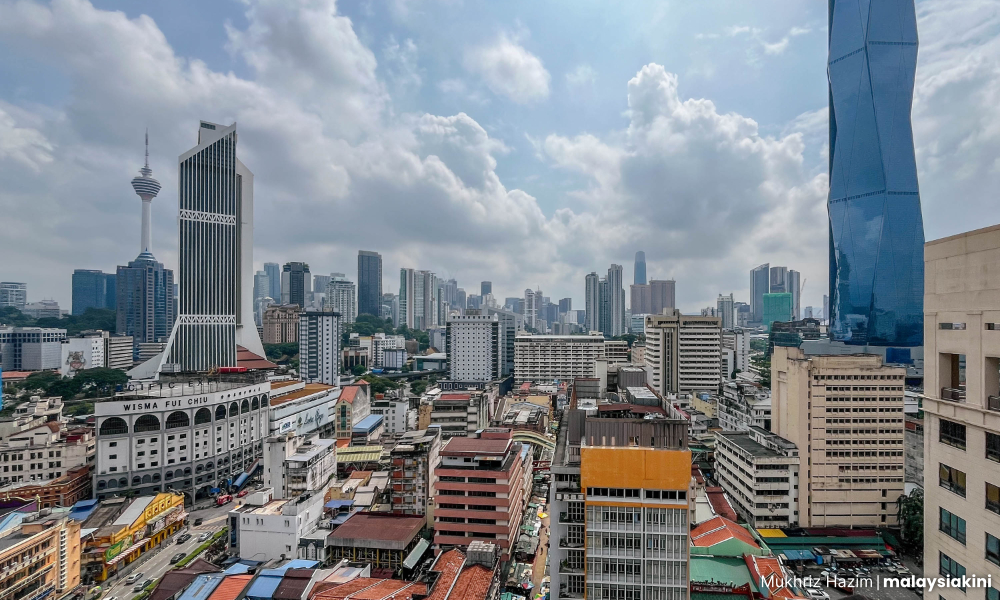
“Representation at the local level is important as communities need responsive leaders, held accountable by democracy.
“Continuing to make political decisions from a racial lens will only keep us stuck in a ‘us versus them’ narrative,” he added.
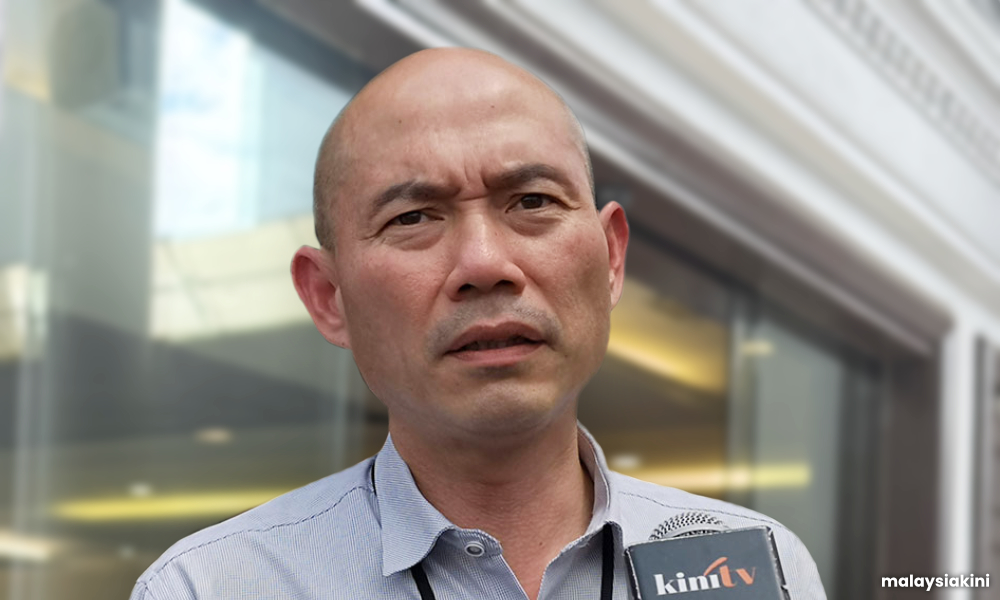
Science, Technology, and Innovation Minister Chang Lih Kang also came out in support of the mayoral election idea, adding that he will back any policy aimed at strengthening democratic processes.
“Any policy that enhances and promotes democratisation is a good policy,” the PKR vice-president said during a media interview at the Malaysian Space Agency (MYSA) this afternoon.
Chang further suggested that mayoral elections should not be limited to the capital city but should be implemented in other regions as well.
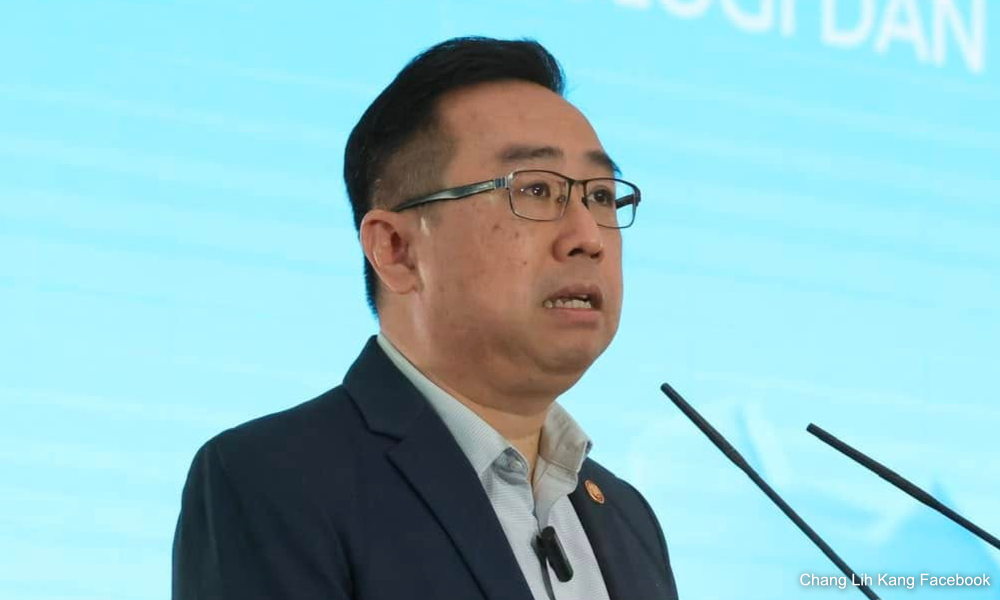
“We shouldn’t just focus on Kuala Lumpur. If (we) truly (implement this), mayoral elections should perhaps be held in many places. The more democratisation, the better," he added.
Chang added that while implementing mayoral elections might raise concerns regarding overlapping jurisdictions, he said, "decentralising power and promoting democratisation are ultimately positive developments”.
‘Minister testing waters’
Meanwhile, Urimai chairperson P Ramasamy suggested that the Minister in the Prime Minister’s Department (Federal Territories) Hannah Yeoh is cautiously “testing the waters” on the idea.
“Rather than saying outright that there should be elections for the KL mayor post, she has come out with a more diplomatic suggestion of conducting research on whether such elections can be implemented,” he said in a statement today.
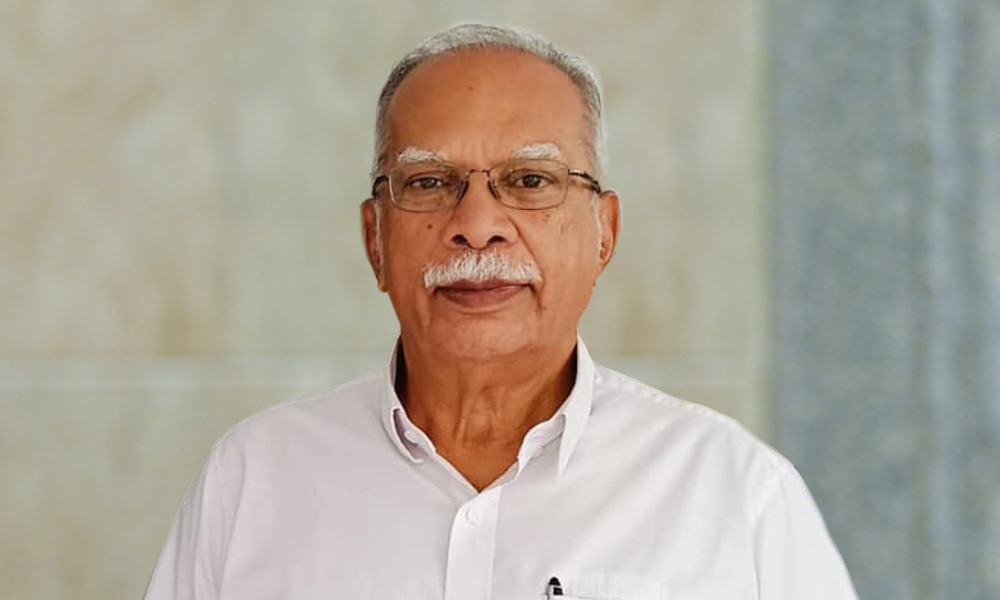
The former Penang deputy chief minister noted that Umno’s swift rejection of the proposal allows Yeoh to show she attempted reform but was blocked, while also casting doubt on Umno’s claim of reinventing itself as a progressive and relevant party.
Kepong MP Lim Lip Eng also weighed in on the issue, claiming that dissenters should not reject the proposal without any facts or studies.
He challenged Umno and PAS to publicly release evidence that the idea could harm the city, rather than pandering to political sentiments.
“If they refuse to publish such studies, the public has the right to ask what they are really afraid of.
“Democracy is the people’s right. The people of Kuala Lumpur deserve the right to choose who governs their city,” he said.
Previously, Yeoh said efforts are underway to study the mayoral election, with the minister saying it was more practical than electing local councillors for DBKL.
Right-wing Malay-based political parties have long opposed the local council election, claiming that it would erode Malay power in urban areas where non-Malays are the majority.
Following Yeoh’s remarks, Umno pushed back against the feasibility study, with the party’s leaders playing on sentiments aimed at riling up Malays instead of logical arguments that challenge the merits of such polls.
Standing firm with the government’s move to look into the potential of the polls, Yeoh later emphasised that one should “never be afraid of research”.
She has also clarified that the study is being carried out by the International Islamic University Malaysia (IIUM), after which its findings will be brought to the cabinet. - Mkini
No comments:
Post a Comment
Note: Only a member of this blog may post a comment.