
Several opposition MPs were reported to have voiced their objection to the proposed Kuala Lumpur mayoral election. In fact, they have rejected any local government polls.
In dismissing the idea, Arau MP Shahidan Kassim, for instance, stated that national unity and bridging the wealth gap must be addressed first, and urged Malaysians to reject local government and mayoral elections.
Meanwhile, Pasir Mas MP cum PAS information chief Ahmad Fadhli Shaari echoed a similar narrative and, in turn, argued that the proposals from DAP leaders are unacceptable.
“Local government elections and mayoral elections - both must be rejected!” Fadhli said.
When it comes to the rejection of mayoral or local government elections, one would expect Umno to join at the hip with PAS.

In 2015, PAS president Abdul Hadi Awang expressed his concern that local government elections would cause instability. He believed that local governments in certain big cities would be inundated by Chinese councillors if elections were held.
In a democracy, PAS or Umno’s rejection of such elections ought to be respected, however unconvincing their arguments are. Nevertheless, in the present era, it would be nice if such a rejection were built upon evidence, not sentiment.
71pct support local polls
Let us kick off our discussion in debunking the aforesaid misplaced fear and misgivings with statistics and facts.
Based on Merdeka Centre’s study and survey in 2010, 71 percent of respondents agreed with the reinstatement of local government elections.
Merdeka Centre then made the following remarks, “[t]he survey has simultaneously proved that even though the local council election has been abolished, it is still relevant to be reinstated according to public choice.”
As early as 1968, the Ati Nahappan Report recommended that every state capital be administered by elective representation to ensure administrative and financial autonomy.
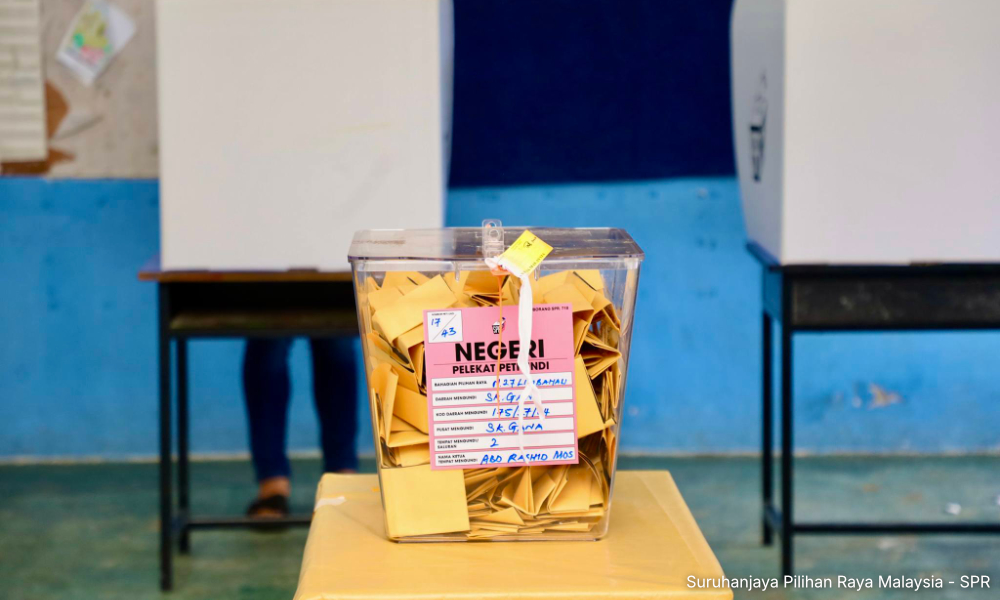
Anyway, local government elections are not totally alien ideas even in the Muslim world. It is instructive to note that even in a country ruled by mullahs (Muslim clergy) like Iran, mayoral elections are the norm. The same applies to Turkey and Indonesia.
Minorities elected mayor elsewhere
How about London? According to the 2021 census, the largest religious groupings were Christians (40.66 percent), followed by those of no religion (27.05 percent), Muslims (14.99 percent), no response (seven percent), Hindus (5.15 percent), Jews (1.65 percent), Sikhs (1.64 percent), Buddhists (one percent) and others (0.9 percent).
Yet, Londoners had no qualms in electing Sadiq Khan, a Muslim, as their mayor, although he is reportedly a regular mosque-goer. Sadiq is also reported to have regularly attended Al-Muzzammil Mosque in Tooting.
When Zohran Mamdani clinched a stunning victory in the New York City mayoral race in November 2025, the city’s Jewish population was estimated at over two million residents, constituting more than 20 percent of the total city population.
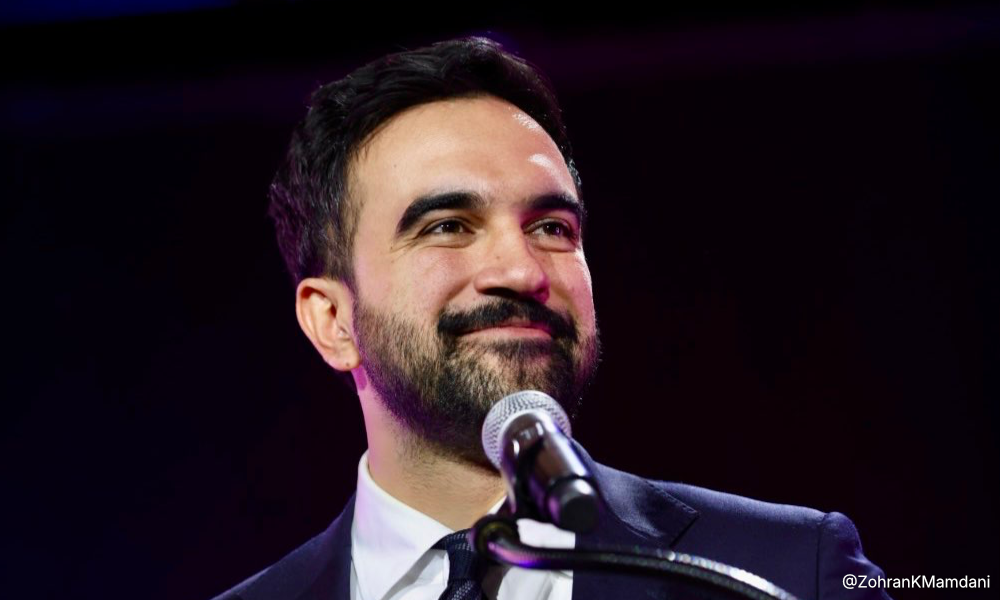
This population is always believed to be the largest Jewish community in any city proper, yet a CNN exit poll found that 33 percent of Jewish voters supported Mamdani, a Democrat.
And Mamdani has been invariably portrayed as anti-Israel. He has repeatedly declared that he would order the New York Police Department to arrest Israeli Prime Minister Benjamin Netanyahu if he entered New York City. Yet, even a significant portion of the Jewish community elected him.
Democratic accountability
Advocates for mayoral and local government elections typically emphasise democratic accountability and service quality. A periodic election is one of the best mechanisms to ensure that democratic accountability and service quality are strongly adhered to.
It goes without saying that elected mayors are directly answerable to citizens/voters, allowing them to penalise underperformance - a mechanism that is sorely missing in the current appointment system.
Without the election, underperformers or even the deadwood are constantly retained, particularly if cronyism and nepotism reign supreme. Accountability is almost zero.
Local government elections were held in this country before the then BN government unjustifiably abolished them. Such elections imply accountability and transparency in public office; those two criteria are the hallmarks of good governance.
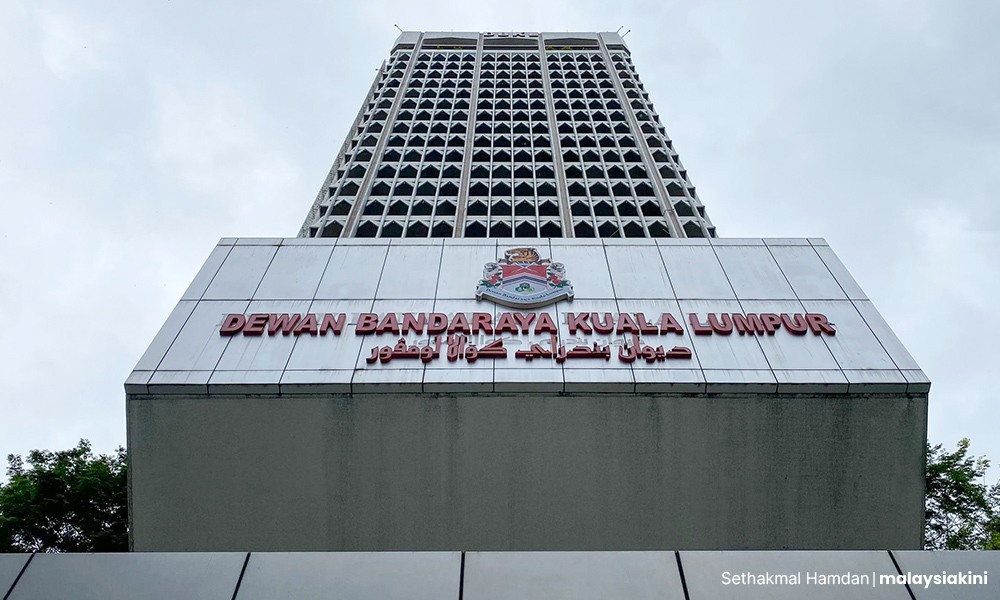
Be that as it may, local elections are doubtless an efficacious mechanism to promote those ideals.
To conclude, it should be reiterated that elections are the language of democracy and good governance. The rejection or acceptance of mayoral elections, in my view, ought to be evidence-based, and sentiments ought to be repudiated. - Mkini
MOHAMED HANIPA MAIDIN is former deputy law minister.
The views expressed here are those of the author/contributor and do not necessarily represent the views of MMKtT.
No comments:
Post a Comment
Note: Only a member of this blog may post a comment.