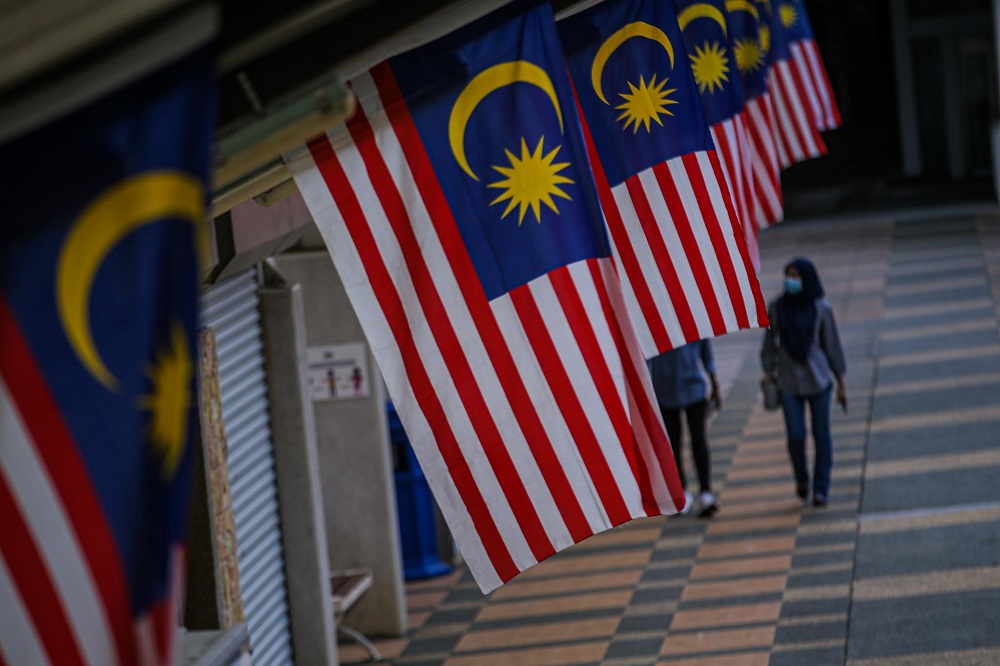
YOU can feel a cautious shift in the air. Malaysia’s climb to 54th in the latest Corruption Perceptions Index (CPI) isn’t a headline-grabbing leap, but for many of us, it’s a welcome sign that things might finally be moving in the right direction after years of feeling stuck.
That two-point rise is a signal: the bleeding of public confidence has, at the very least, stopped.
But let’s be honest—on the ground, the optimism is thin. It feels less like a foundation being laid and more like a temporary reprieve. The CPI measures perception, and our perceptions aren’t formed in a vacuum. They’re shaped by the stories we live with.
The shadow of 1MDB is the perfect example. Sure, convictions and recovered money look good in international reports. But for ordinary Malaysians watching from the sidelines, the process has been a masterclass in patience-testing.
Every delay, every appeal that stretches for years, quietly reinforces a nagging doubt: is the system working, or are we just watching justice negotiate with politics?
You hear it in everyday conversations. “We don’t expect miracles,” one man, who runs a small workshop in Selangor, said.
“We just want to know the rules are the same for everyone—the minister and the mechanic. When big cases fade away or move in slow motion, what are we supposed to believe?”
This is why the CPI rise feels cautious, not celebratory.
Then there’s the evergreen issue of political money. We’re still waiting for a solid law to clean up how parties are funded. Every election season, the same promises are made, and the same opaque donations flow.
This legal grey area fuels a deep public suspicion: who is really bankrolling our politics, and what do they expect in return?
Look at how South Korea did it. Their climb wasn’t magic. It came after they passed tough political financing laws and, crucially, enforced them—even when it stung politicians across the spectrum. It was painful, but it made accountability routine.
Or consider government procurement—a phrase that sounds bureaucratic but affects every ringgit of our taxes. We’ve all read the stories: contracts awarded without open tender, costs that balloon mysteriously, emergency deals with little oversight.
Even if no one breaks a written law, the smell of discretion erodes trust. Indonesia made gains earlier by digitizing processes and empowering its anti-corruption body to watch over tenders. The message was simple: sunlight is the best disinfectant.
At the heart of it all is a question of trust in our institutions. We need to believe that the agencies tasked with fighting corruption can act without looking over their shoulders.
When appointments seem political or high-profile investigations stall without clear explanation, perception hardens into cynicism. In countries known for clean governance, it’s not that scandals never happen; it’s that when they do, the consequences are predictable, impartial, and boringly consistent.
Our political reality—the delicate dance of coalition governments—makes this even harder. Reforms often get watered down or delayed to keep the peace among allies. The push for integrity can become a casualty of political arithmetic.
So, what does real change look like? It’s not about aiming for first place overnight. It’s about making integrity boring, systematic, and utterly predictable. It’s about building a system where accountability isn’t a political weapon or a PR slogan, but a constant.
As someone puts it plainly, “We don’t need to be number one tomorrow. Just show us the system works the same way, every single time.”
That’s the lesson in our modest CPI gain. Lasting progress will come only when integrity outlives the election cycle, transcends the ruling coalition, and becomes bigger than any single personality.
The climb has begun—but the path ahead depends on making reform a permanent promise, not just a talking point.
KT Maran is a Focus Malaysia viewer.
The views expressed are solely of the author and do not necessarily reflect those of MMKtT
- Focus Malaysia.
No comments:
Post a Comment
Note: Only a member of this blog may post a comment.