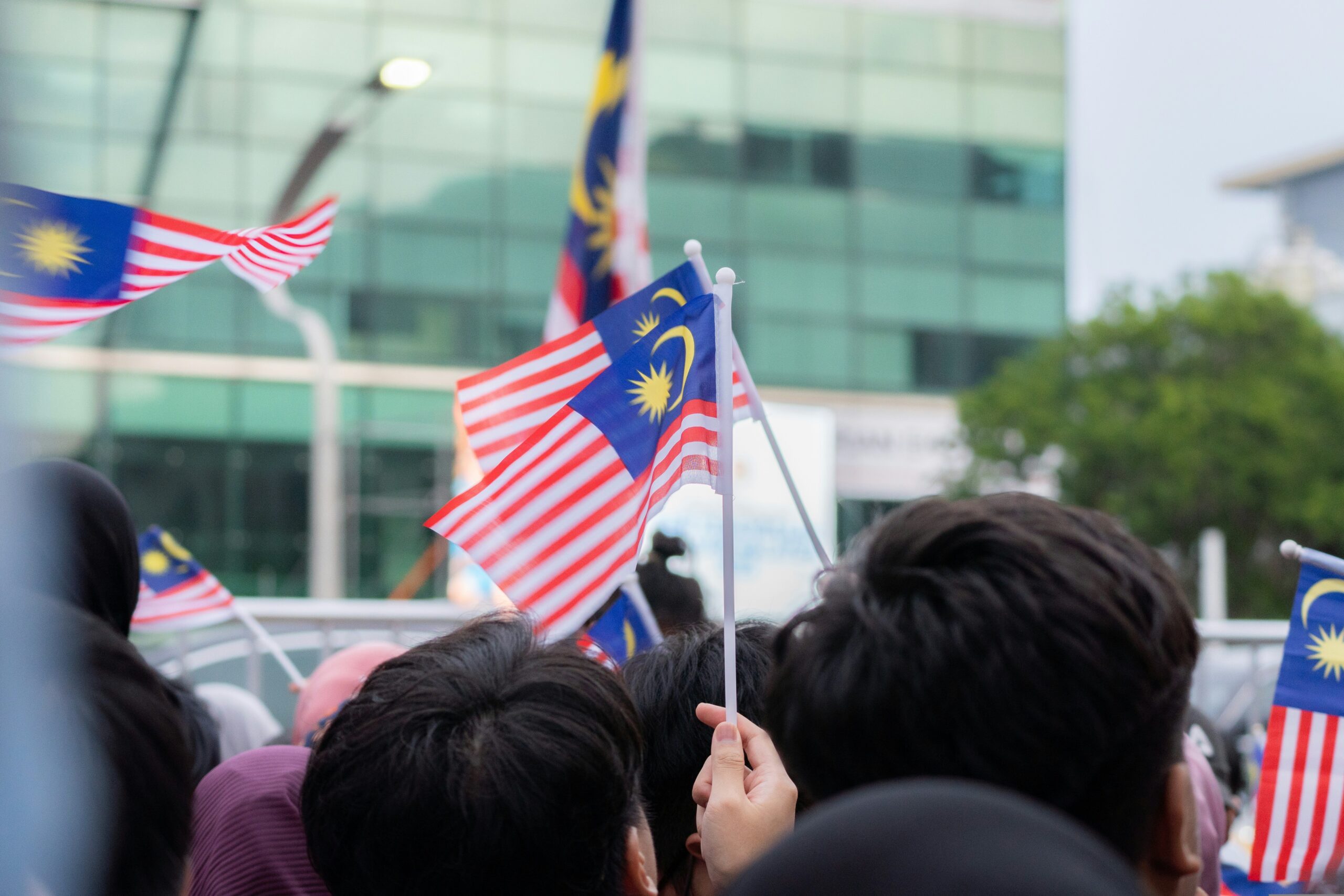
EVERY time someone says diversity is Malaysia’s biggest problem, it is difficult not to sigh. Diversity has never been the country’s greatest threat. The real danger is the manufactured hatred constantly fed into public discourse for political, social and online gain.
Prime Minister Datuk Seri Anwar Ibrahim recently warned about “a vocal minority of extremists”. While he spoke diplomatically, most Malaysians understand what he meant.
These groups may be small in number, but they are loud, aggressive and highly visible online. They have learned that anger, racial fear and religious paranoia generate attention faster than reason ever could.
What often goes unspoken is that these extremists do not represent the majority, even within their own communities. Many ordinary Malaysians privately reject such rhetoric.
The problem is that the moderate majority has become increasingly silent, allowing the loudest voices to dominate the national conversation.
In reality, most Malaysians do not hate one another. In workplaces, kopitiams and neighbourhoods across the country, people generally want the same things: stability, dignity, safety and a decent future for their families.
The country is being held back not by ordinary citizens, but by politicians, influencers and provocateurs who profit from keeping society emotionally divided.
Hatred has become an industry. The formula is simple: create fear, invent enemies, provoke outrage, go viral, gain influence, collect support and win votes. The more inflammatory the rhetoric, the more attention it attracts.
Social media has amplified this phenomenon dramatically. Moderate voices are often drowned out, while provocative racial or religious statements can spread across TikTok, Facebook and WhatsApp within hours. Anger travels faster than nuance, making extremist groups appear far larger and more influential than they actually are.
Most Malaysians are not consumed by racial hostility. They are focused on everyday concerns such as rising living costs, employment opportunities, education and security.
Yet the national conversation is repeatedly hijacked by individuals who present themselves as defenders of race or religion while ultimately deepening division within society.
In this environment, religion risks becoming a political weapon rather than a moral guide. Race becomes a tool for mobilisation instead of a source of cultural identity. Patriotism is reduced to selective outrage instead of shared responsibility.
The irony is difficult to ignore. Every major religion in Malaysia teaches values such as compassion, humility and justice. Yet some of the loudest self-proclaimed defenders of faith engage in mockery, hostility and dehumanisation, both online and offline.
Extremism does not grow in isolation. It flourishes when leadership is weak, when laws are enforced selectively, and when decent people withdraw from public discourse altogether.
Silence can no longer be mistaken for neutrality. When moderates remain silent, extremists dominate the conversation unchallenged.
Political leaders must also accept responsibility. Too many continue to flirt with racial and religious sentiments during election periods, only to call for unity once tensions escalate. Division cannot repeatedly be used as a political tool without consequences.
If Malaysia is serious about preserving harmony, laws relating to hate speech, racial incitement and religious provocation must be enforced consistently, regardless of political affiliation, ethnicity or social status. Selective outrage only deepens public distrust.
Education also plays a critical role. Young Malaysians need more than superficial tolerance; they need meaningful exposure to one another’s cultures, experiences and perspectives.
A society cannot remain cohesive if its citizens grow up emotionally separated and suspicious of those who look, speak or worship differently.
That is why everyday interaction matters. Malaysians who study together, work together, eat together and celebrate together are far less vulnerable to extremist propaganda. Fear thrives where ignorance and isolation persist.
The defining question for Malaysia is whether the country will be shaped by its quiet, decent majority or by a noisy minority that profits from division and outrage.
Malaysia’s diversity has never been its greatest weakness. The real threat lies in the commercialisation and politicisation of hatred.
If that continues unchecked, the country risks becoming trapped in an endless cycle of racial and religious suspicion instead of moving towards a more mature and united society.
KT Maran is a Focus Malaysia viewer.
The views expressed are solely of the author and do not necessarily reflect those of MMKtT.
- Focus Malaysia.
No comments:
Post a Comment
Note: Only a member of this blog may post a comment.