
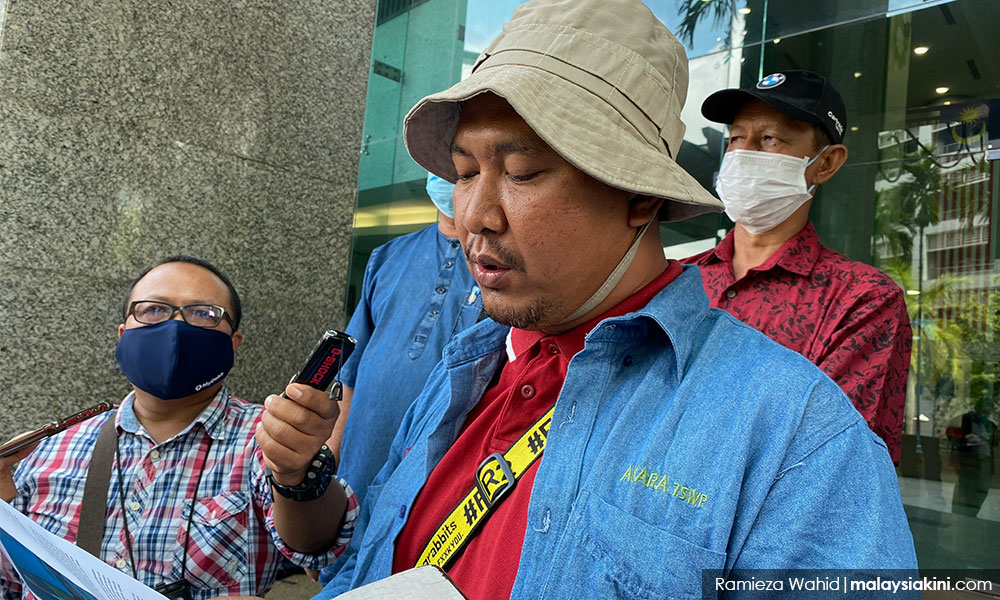
Only 10 percent of 56,000 rice farmers in Kedah have begun planting activities for the season, said Paddy Farmers Brotherhood Organisation (Pesawah) chairperson Abdul Rashid Yob.
Although dry sowing is typically carried out between April and early May, he said many farmers in the country’s rice bowl state are delaying planting due to concerns over water supply and rising operating costs.
Speaking to Berita Harian, Abdul Rashid said farmers were caught between the risk of flooding if rainfall continues and the possibility of water shortages during the coming dry spell.
"Despite the current rain, the water level in the dams, especially the Muda Dam, is not stable enough to allow large-scale water releases for rice field irrigation purposes.
"Now we see that some rice farmers have started to process the soil, but the entire planting schedule is still delayed. There is water in the rice fields because of the rain, but the water level in the dam is not yet high.
"If the weather forecast is correct, the rain will only occur intermittently this month before decreasing again in June and is expected to become drier around July," he explained.
Kedah produces more than 40 percent of white rice in Malaysia, which is consumed about 2.5 million tonnes annually.
On May 5, Bernama reported Prime Minister Anwar Ibrahim as instructing the Royal Malaysian Air Force and the Fire and Rescue Department to increase cloud seeding operations in northern peninsular states due to the ongoing dry spell.
Farmers’ woes
Commenting further, Abdul Rashid said some rice farmers are using pumps to obtain water from nearby rivers, but this step has added to the already rising operating costs.
"Farmers are struggling because the cost issue has not been resolved.
"Oil prices are fluctuating, operating costs are increasing, and this has affected farmers' motivation to continue planting," he said.
He added that government measures such as the ploughing incentive were insufficient to address the sector’s structural problems.
"I understand that other sectors have received an extension of the diesel subsidy, but rice crops are still facing a cost problem without a long-term solution that has increased by more than 50 percent.
"If rice-related machinery also receives diesel fleet cards, I am sure many rice farmers will start ploughing their fields," Abdul Rashid said.
Bernama reported Anwar as saying earlier this month that paddy farmers would receive an advance payment of RM200 per hectare under the ploughing incentive special aid programme.
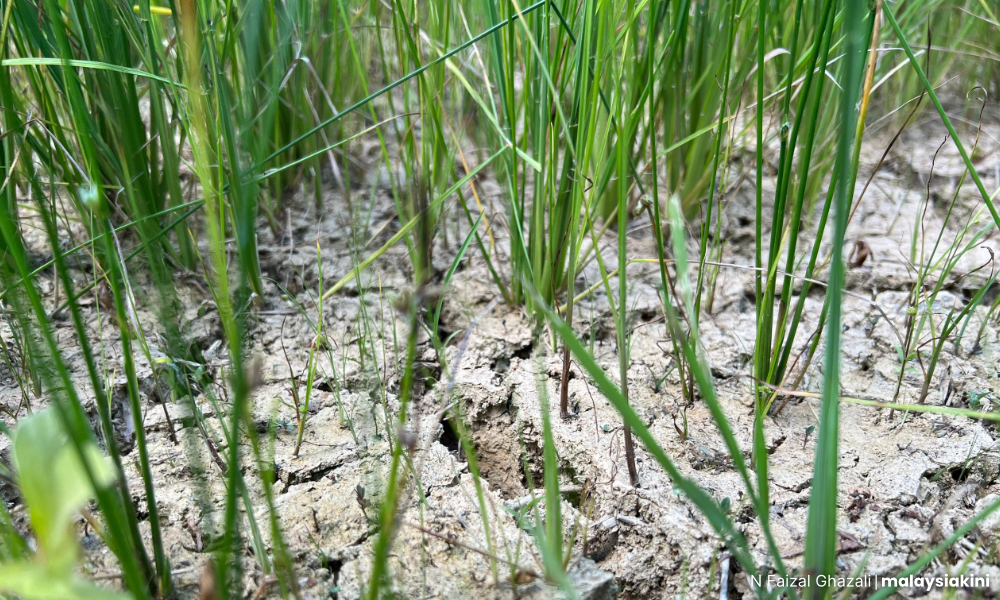
On May 14, Bernama also said Deputy Prime Minister Ahmad Zahid Hamidi had announced the start of the southwest monsoon, which would last until September, bringing hotter and drier weather as well as lower rainfall distribution.
This intersects with the El Niño phenomenon, which the Malaysian Meteorological Department yesterday warned could reduce rainfall across Malaysia.
The Star reported the department as saying that El Niño could intensify due to rising sea surface temperatures in the eastern regions of the Pacific Ocean, along with weakened easterly winds and global warming.
The issues come amid concerns regarding the impacts of rising fertiliser costs due to the escalating conflict in West Asia.
Malaysia is also grappling with challenges over its self-sufficiency in food security and the resilience of its food systems. - Mkini
No comments:
Post a Comment
Note: Only a member of this blog may post a comment.