
For Sabahans, independence is more than a chapter in history; it is a journey of progress reflected in the state’s development, with its benefits reaching people across the state, in line with the theme of the 2026 National Day and Malaysia Day celebrations, “Malaysia Madani: Kesejahteraan Dinikmati”.
One of the most significant changes is the development of more inclusive telecommunications infrastructure, particularly in Sabah’s east coast, which was once regarded as lagging behind the west coast.
Felda Umas Kalabakan resident Nazrini Badarun, 40, said the construction of the Pan Borneo Highway had not only shortened travel times and reduced the risk of accidents, but also given greater meaning to independence by providing people with better road connectivity.
“The wider, more comfortable and modern roads reflect the government’s efforts to ensure that people in Sabah can enjoy better facilities, similar to those in Peninsular Malaysia,” she told Bernama.
Nazrini said the development of transport, energy supply and telecommunications infrastructure was essential to supporting the country’s progress and improving the people’s economic well-being.
Positive changes
Lorry driver Husin Amita, 55, from Batu 17, said he had witnessed many positive changes to the state’s roads during his 20 years of delivering supplies between Tawau and Kota Kinabalu.
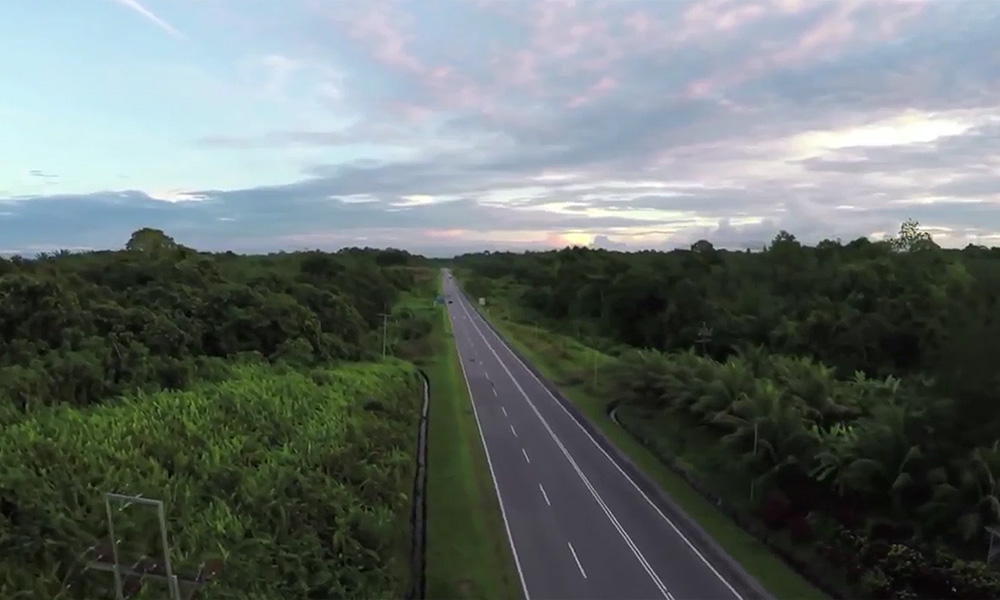
“The road to the Tawau checkpoint used to be narrow, damaged, full of potholes and poorly lit. Now, it has been widened to four lanes under the project,” he said.
In Lahad Datu, Silam Community Development leader Mizma Appedullah said independence in the context of development today required a continued commitment to bridging the gap between urban and rural areas.
He said the district had seen improvements in infrastructure development, although some areas continued to experience problems with water supply, electricity and communication coverage.
According to him, the people of Lahad Datu needed not only well-maintained main roads, but also better access roads to villages, drainage systems, street lighting and safe pedestrian walkways.
Tungku community leader Abdul Hakim Gulam Hassan shared a similar view, hoping that infrastructure development along Sabah’s east coast would continue to be given priority.
“This is important because physical development can open up more economic opportunities and improve the standard of living of local communities,” he said.
Hakim said the Pan Borneo Highway in Lahad Datu had significantly reduced travel times to Sandakan and Kota Kinabalu.
He said the improved road network had also benefited small traders, including eateries and fruit sellers, by helping to increase their income.
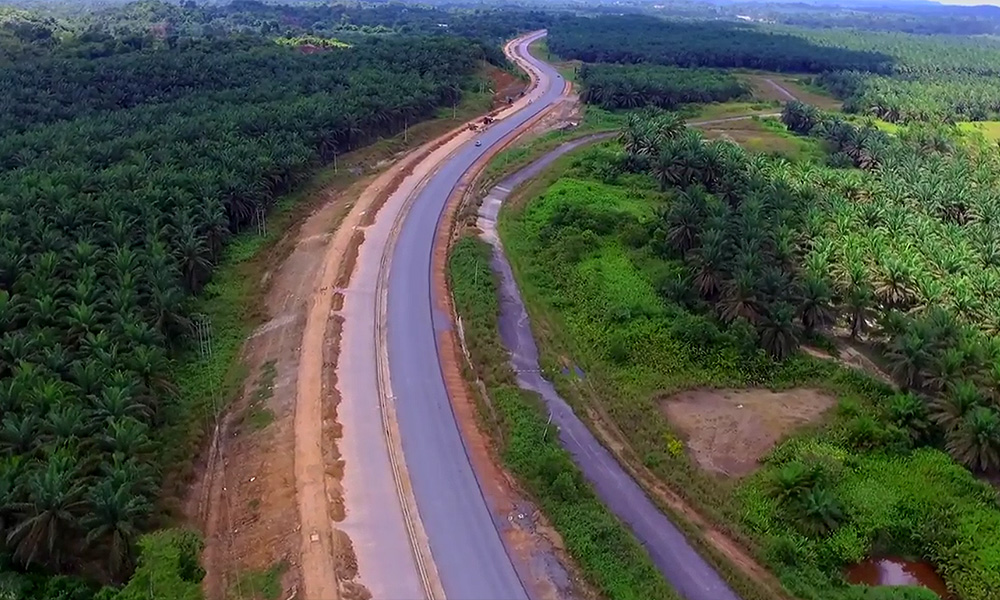
A fruit trader near the Sandakan checkpoint, Sapri Abdullah, 50, said traffic flow at the elevated junction was now smoother, with no major congestion.
He hoped that the government would continue to prioritise basic facilities such as water, electricity and communications for the well-being of the people.
- Bernama
No comments:
Post a Comment
Note: Only a member of this blog may post a comment.