
It is an uncomfortable question, but one Malaysians should not avoid.
Not because Nurul Izzah Anwar has decided she may wish to step away from frontline politics. Every politician has the right to choose when public life becomes too demanding.
The question is why that decision appears to come at a moment when her party, her supporters and the Reformasi movement itself are facing one of their most difficult periods.
Leadership is not tested when circumstances are favourable. It is tested when morale is low, confidence is declining, and supporters need reassurance.
For many Malaysians, the timing creates an uncomfortable impression: that one of PKR's most recognisable figures may be stepping away just as the party needs experienced voices to steady the ship.
Whether that perception is fair or not, politics has always been about perception as much as reality.
Perhaps the deeper question is this: Was politics ever truly Nurul Izzah's calling, or was it a path created by history?
Her journey was unlike that of almost any other Malaysian politician.
In 1998, the dismissal and imprisonment of Anwar Ibrahim transformed his eldest daughter from a private citizen into one of the public faces of reformasi. She travelled, lobbied and spoke for her father's release. Many Malaysians admired her courage and resilience during those difficult years.
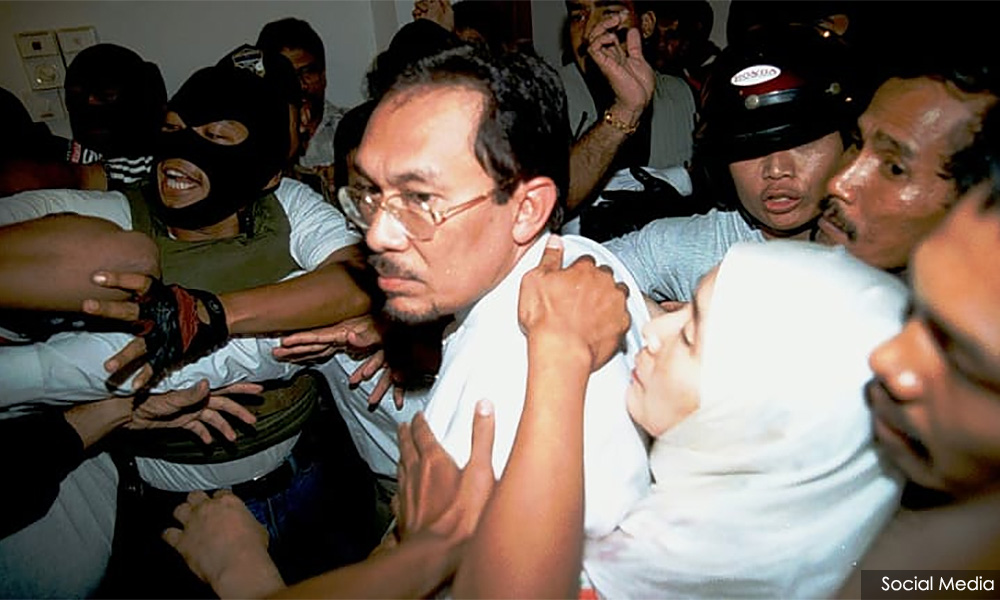
She became more than Anwar's daughter. She became a symbol of hope.
Although history can open a door, it cannot determine what happens after someone walks through it.
Nearly three decades later, Malaysians are entitled to ask: what political legacy belongs uniquely to Nurul Izzah?
Political identity
Many politicians become identified with defining causes. Their names immediately evoke issues they fought for relentlessly.
Hannah Yeoh became associated with institutional reform, youth development and family issues. Dr Fuziah Salleh with the Lynas campaign. Yeo Bee Yin with environmental protection. Maria Chin Abdullah with electoral reform and civil liberties.
These politicians are not perfect, but when people hear their names, a cause immediately comes to mind.
With Nurul Izzah, the answer is less clear.
This is not to deny her contributions. It is to ask whether a politician once discussed as a possible future first woman prime minister has created a political identity distinct from the historical circumstances that brought her into public life.
Leadership is not only about holding office. It is about the willingness to champion difficult issues, especially those involving people with little political power.
It also remembers the moments when they choose not to speak. Or when they appear to retreat from positions they once defended.
The controversy over her remarks on Article 11 and freedom of religion was one such moment. Those who admired her reform credentials expected a politician willing to defend difficult principles.
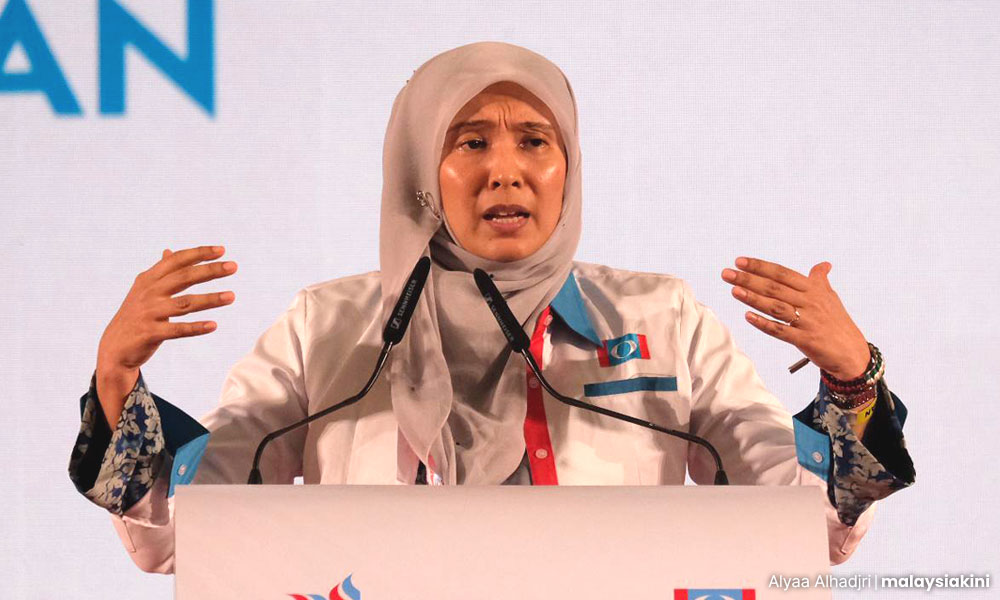
After public criticism, some supporters saw it as caution where they had expected conviction. We know that Malaysian politics is complicated. Unfortunately, she lacked the political courage and instinct to navigate those storms.
Malaysia has repeatedly confronted difficult questions involving child protection, child marriage, women's rights and social justice. Many expected Nurul Izzah, given her profile and influence, to be one of the strongest voices on these issues.
Yet many felt her public advocacy was quieter than expected.
Perhaps she believed change was better achieved behind the scenes. Perhaps she chose a different approach.
Two visions of reformasi
But public leadership also requires the courage to speak openly when the moment demands it.
Silence, too, sends a message.
This perception became more pronounced during PKR's deputy presidency contest.
After a period of relative quiet in national political debates, she returned prominently during one of the party's most significant internal battles, and many supporters noticed the contrast.
She defeated Rafizi Ramli for the PKR deputy presidency, but this was more than an internal contest. It became a choice between two visions of reformasi.
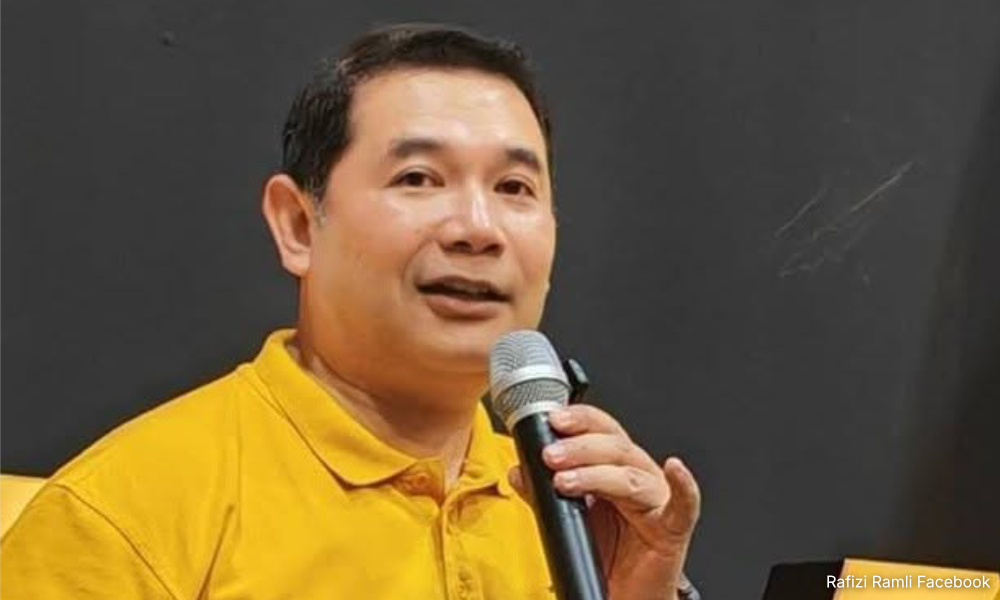
Later, when the most outspoken advocate for faster reforms was sidelined and subsequently left, many supporters questioned whether PKR had weakened its own future.
Why did this political energy emerge most visibly during an internal contest rather than during the wider struggle to rebuild confidence in Reformasi?
Why was there not a similar level of visibility when supporters were questioning the pace of reforms and the direction of the party?
She cannot be held responsible for every problem facing the party, but leadership carries responsibility.
When morale declines, leaders are expected to inspire. When divisions appear, leaders are expected to unite, and when supporters become disillusioned, leaders are expected to restore confidence.
It was especially important now, with PKR facing electoral setbacks, internal uncertainty and growing questions about whether the Reformasi promise has been fulfilled.
Next generation of leaders
There is also the unresolved issue of succession.
After almost three decades, why does Malaysian politics still revolve around the same generation of leaders, the old guard of which her father is one?
Where is the next generation being prepared? Where is the missing planned transition of leadership?
A movement that promised institutional change must also build institutions strong enough to survive beyond personalities.
Nurul Izzah has always carried the complicated burden of being Anwar's daughter. It brought enormous recognition but also enormous scrutiny.
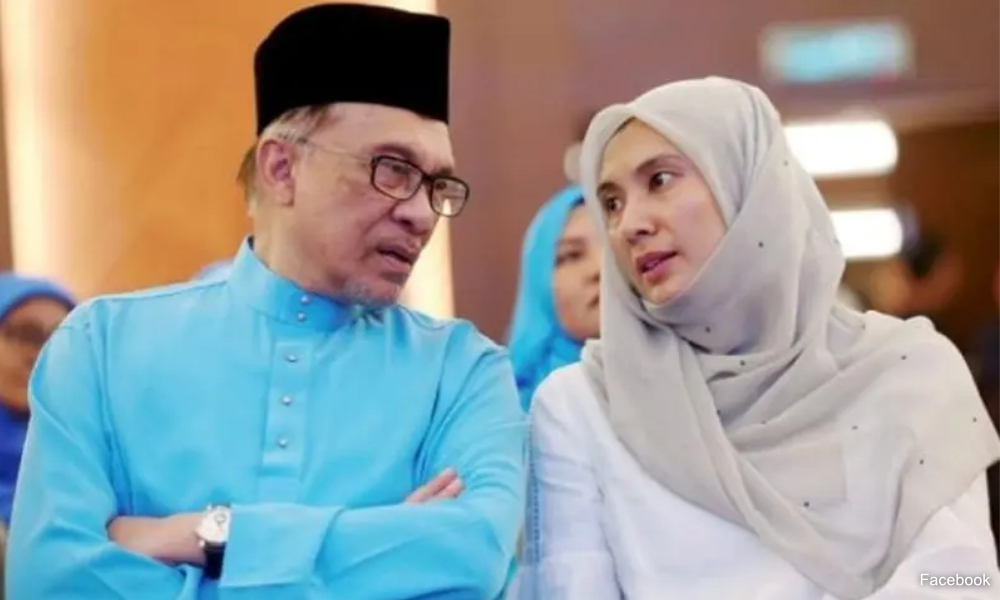
Critics questioned occasions when she appeared alongside official delegations despite holding no formal government role, raising concerns about privilege and political inheritance.
Whether justified or not, such moments contributed to a wider debate about whether a movement born from opposition to old political practices was becoming too closely associated with one family.
That perception matters because reformasi was supposed to be bigger than any individual.
Which brings us back to the question of stepping aside.
No one should be forced to remain in politics, but timing matters.
Leaving when a movement is strong is one thing, but leaving when supporters are uncertain and the party is struggling creates terrible optics.
The daughter who stood beside her father during his darkest days became a symbol of courage.
She inherited a legacy, but did she create one? - Mkini
MARIAM MOKHTAR is a defender of the truth, the admiral-general of the Green Bean Army, and the president of the Perak Liberation Organisation (PLO). Find her on her website and on X.
The views expressed here are those of the author/contributor and do not necessarily represent the views of MMKtT.
No comments:
Post a Comment
Note: Only a member of this blog may post a comment.