


Recent incidents of extreme violence involving schoolchildren in Malaysia have raised serious concerns about public safety and the influence of violent online subcultures, including the True Crime Community. These concerns warrant serious attention, particularly when digital spaces glorify perpetrators, encourage imitation, and expose children to extreme forms of violence.
However, recognising emerging forms of violence should not automatically lead to an expansion of the boundaries of terrorism.
The problem is not that our understanding of terrorism is too limited, but that our understanding of how violence emerges remains insufficiently attentive to its structural, institutional, and gendered dimensions.
Conflating serious violence with terrorism risks overlooking the underlying conditions that require intervention. More importantly, it may expose children to extraordinary security measures that are neither designed for their developmental needs nor necessarily effective in preventing further violence.
How children become involved
Children do not develop their social identities, grievances, or attitudes towards violence in isolation. Their experiences are shaped by relationships within families, schools, and peer groups, as well as increasingly influential digital communities.

Online subcultures that glorify violence can offer some adolescents recognition, belonging, and validation. While most young people exposed to violent material never perpetrate violence, certain online environments may reinforce hostility, normalise aggression, or facilitate manipulation and grooming.
Understanding these pathways requires looking beyond the content children consume to examine the social conditions that make such environments attractive or influential.
Social exclusion, bullying, humiliation, family conflict, and emotional distress may intersect with a child's search for belonging online. None of these experiences inevitably lead to violence, nor do they justify violent actions. However, they raise important questions about whether families, schools, and other institutions have the resources and capacity to recognise vulnerabilities and respond before grievances escalate.
A structural analysis must also incorporate gender.
How do social expectations surrounding masculinity shape the ways boys negotiate rejection, humiliation, anger, and social status? How might particular online communities reinforce dominance, entitlement, misogyny, or violent retaliation? How do gendered power relations within schools and peer groups shape experiences of exclusion, harassment, and aggression?
These questions do not presume that every violent incident is motivated by misogyny or masculine grievance. Rather, they highlight the importance of examining gender as part of the wider social environment in which violence may develop.
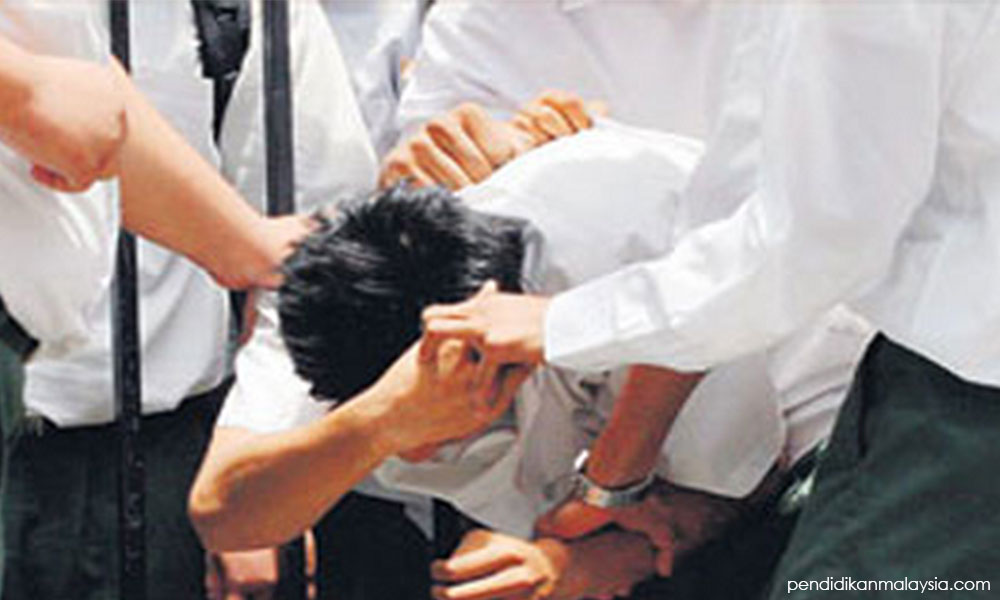
The role of families must also be understood beyond simplistic narratives of parental neglect.
Family relationships, emotional support, caregiving responsibilities, work demands, and access to social services all shape children's everyday experiences. Yet responsibility for children's emotional and behavioural wellbeing is frequently placed on mothers, while paternal involvement and the wider social infrastructure of care receive less scrutiny.
Holding families solely responsible also risks absolving schools, digital platforms, and public institutions of their responsibilities.
Preventing violence requires understanding how these environments interact, where support systems fall short, and how children can access meaningful intervention before their vulnerabilities are exploited.
Creating further insecurity
This is why a predominantly hard-security approach raises concerns.
Criminal investigations, immediate protection, and accountability are necessary when serious violence occurs. However, expanding terrorism classifications does not necessarily identify the most appropriate points of intervention for children exposed to harmful online environments.
Overly punitive responses may instead intensify the conditions that prevention seeks to address. Stigmatisation, social isolation, and eroded trust in institutions can obstruct rehabilitation and reintegration, particularly when children are treated primarily as potential security threats rather than individuals with distinct developmental needs.
Malaysia's experience demonstrates why these concerns cannot be dismissed.
In March 2026, the Human Rights Commission (Suhakam), the All-Party Parliamentary Group Malaysia on Children's Rights, and civil society organisations condemned the detention of children under the Security Offences (Special Measures) Act 2012 (Sosma) following cases involving online extremist recruitment.
They warned that children subjected to manipulation, grooming, and indoctrination require protection, psychosocial intervention, and rehabilitation rather than extraordinary security detention.
Although classifying an incident as terrorism does not automatically activate Sosma, Malaysia's documented use of extraordinary security procedures against children underscores the importance of clear legal boundaries and child-specific safeguards.
The limits of the anti-terrorism framework are not necessarily weaknesses to be corrected. They can also serve as safeguards against the excessive expansion of state security powers.
Children who perpetrate serious violence must be held accountable through appropriate legal processes. Yet accountability should not come at the expense of their rights, rehabilitation, or reintegration into society. Otherwise, security responses risk reproducing the social exclusion and alienation that effective prevention should seek to address.
There is also a troubling inconsistency in how violence is recognised and addressed. While violence perpetrated by children increasingly prompts discussions of terrorism and violent extremism, organised online hate campaigns and vigilante intimidation targeting Rohingya refugees, including children, have attracted less comparable attention through the counterterrorism lens.
Across Malaysia, Rohingya children have reportedly faced threats, harassment, and disruptions to their education, with several learning centres forced to close amid escalating xenophobic hostility. More recently, a Rohingya settlement in Johor was attacked with Molotov cocktails following the circulation of inflammatory online content.
Yet such intimidation and violence, which also involve digital mobilisation, dehumanisation, and the targeting of vulnerable communities, are rarely discussed with the same urgency as emerging terrorist threats. The point is not to demand terrorism classifications for these perpetrators, but to question the selective application of security narratives.
Why are we so concerned with identifying children as potential security threats while failing to give equal attention to the violence and insecurity inflicted on other children?
This inconsistency reveals that security is not merely about responding to violence. It is also about whose safety is recognised, whose vulnerability matters, and which forms of violence are considered worthy of intervention.
A women, peace, and security approach
The Women, Peace, and Security (WPS) agenda offers an important analytical perspective.
Malaysia's National Action Plan on WPS 2025–2030 recognises that security extends beyond conventional threats and armed conflict to encompass broader experiences of human insecurity, including gender-based violence, violent extremism, and digital threats.
A WPS-informed approach, grounded in children's rights, allows us to move beyond identifying perpetrators and classifying threats, to examine how insecurity is produced, experienced, and addressed.
Its principles of prevention, protection, participation, relief, and recovery can inform a more comprehensive response to violence involving children.
Prevention requires identifying the social and institutional conditions that may contribute to violent behaviour. This includes strengthening school safeguarding systems, expanding access to psychosocial support, providing family assistance, promoting gender-responsive education, and intervening early when children are exposed to harmful online influences.
Digital platforms must also be held accountable for enabling the circulation and amplification of content that glorifies violence.
Protection must encompass both those harmed by violence and children vulnerable to exploitation or manipulation. Victims' safety and rights must remain central, while children suspected of serious offences must receive due process, appropriate safeguarding, and access to child-sensitive justice mechanisms.
Participation recognises that sustainable prevention cannot be achieved by security institutions alone. Families, teachers, counsellors, women's organisations, child-rights advocates, community groups, and young people themselves must participate meaningfully in identifying risks and developing responses.
Women should be recognised as decision-makers and community peacebuilders, not merely as mothers and caregivers responsible for monitoring children's behaviour.
Relief and recovery require sustained attention to everyone affected by violence. Injured teachers, traumatised students, families, and school communities need accessible psychosocial services, appropriate protection, and recovery support. Children who have perpetrated violence also require individually assessed rehabilitation and reintegration pathways, alongside appropriate accountability.
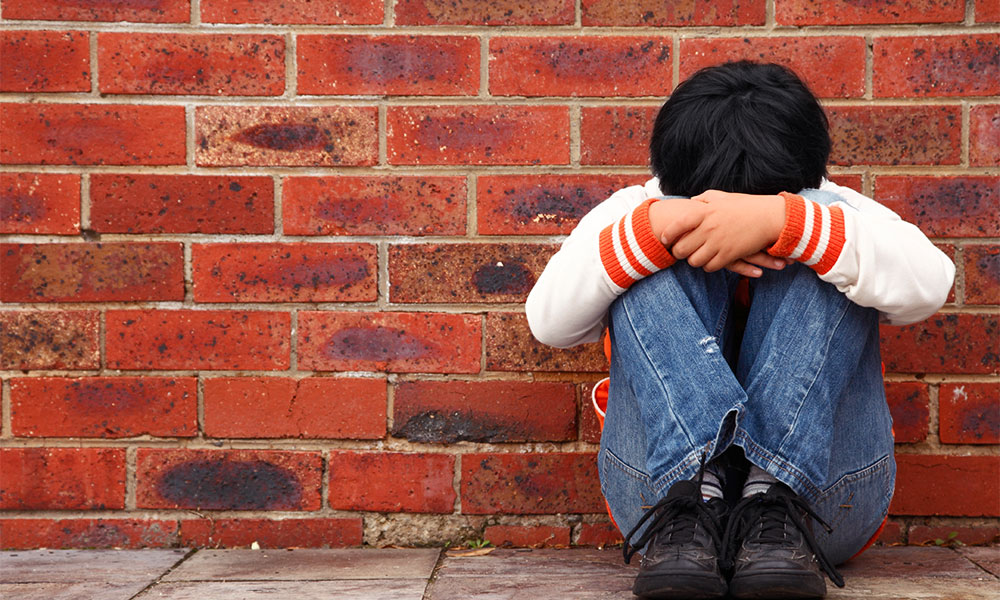
These interventions must not become another means of securitising family life, schools, or communities. Instead, they should strengthen the capacity of institutions and society to recognise vulnerabilities, respond to harm, and prevent violence from escalating.
WPS does not replace child protection or criminal justice. Rather, it offers a gender-responsive human-security perspective that connects these responsibilities while questioning whose safety is prioritised and whether existing institutional responses create additional harm.
Begin with the right questions
Emerging violent online subcultures deserve serious investigation. Their potential influence on violent behaviour should neither be minimised nor sensationalised.
However, identifying online influences and classifying violent incidents cannot substitute for examining why some children become susceptible to these environments, how social grievances develop into violent behaviour, and where meaningful intervention can occur.
The central policy challenge is therefore not simply how to detect increasingly dangerous children, but how to build institutions and social environments capable of preventing violence before it happens.
We need to broaden our understanding of how violence is produced, not automatically broaden the definition of terrorism to accommodate every emerging form of violence.
A child-centred, gender-responsive approach to security must address the relationships, inequalities, and institutional conditions that shape children's vulnerabilities, while ensuring accountability, protection, and recovery for everyone affected.
Ultimately, securitising children cannot substitute for securing their wellbeing.
If our response to extreme violence creates further exclusion, criminalisation, and insecurity, we have failed to address the very conditions that effective prevention is meant to confront. - Mkini
HIBISCUS by IMAN RESEARCH is a Malaysian Women, Peace, and Security (WPS) collective advancing gender-responsive approaches to peacebuilding, violence prevention, community resilience, and human security.
The views expressed here are those of the author/contributor and do not necessarily represent the views of MMKtT

No comments:
Post a Comment
Note: Only a member of this blog may post a comment.