


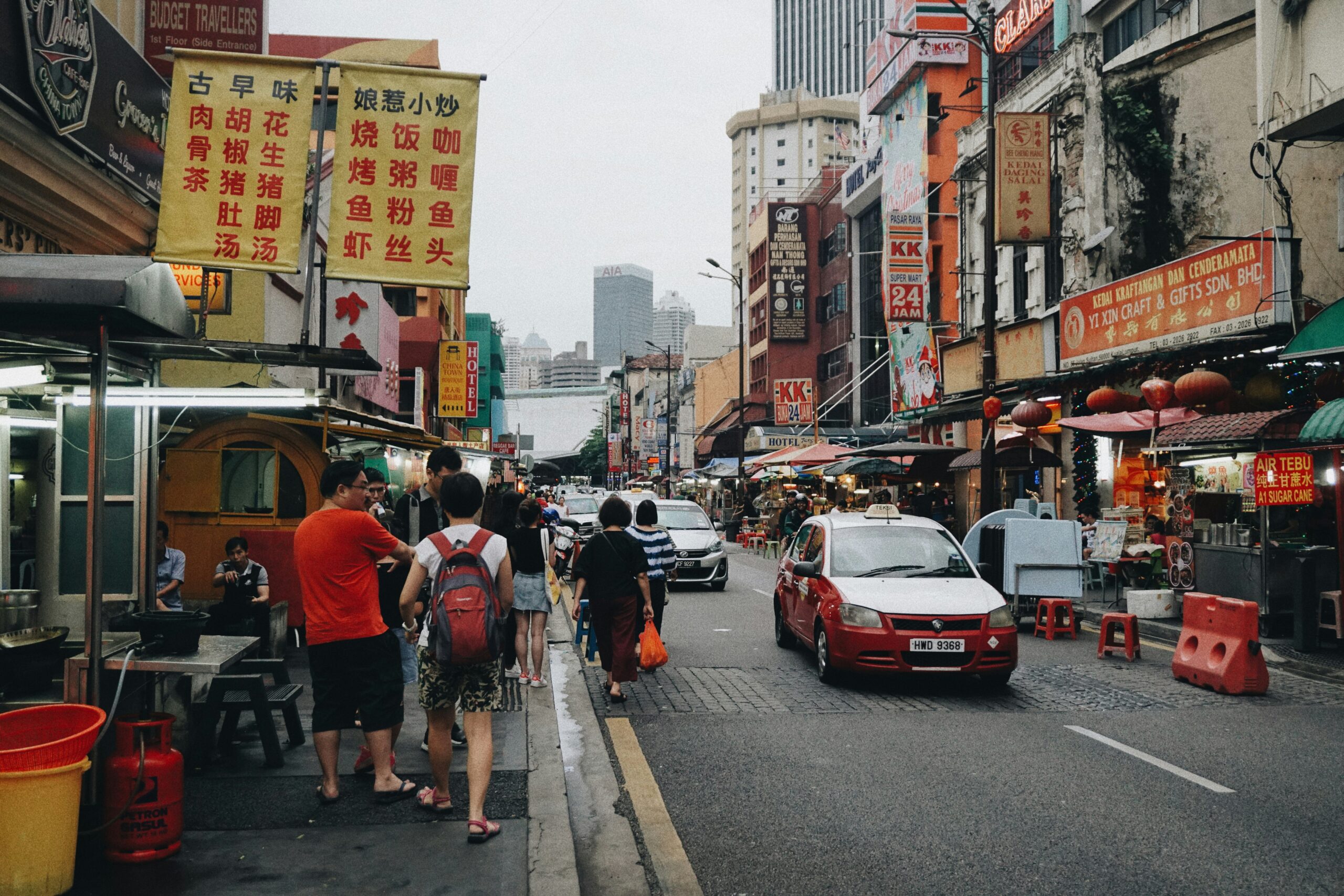
LONG ago, Chinese that migrated to Southeast Asia built towns, and many of their shophouses were two-storey buildings.
The ground floor was used for business and upper floor for residence. It was not only convenient but essential, as bicycles were mostly used for private transport until Malaya gained independence in 1957.
Decades ago, fat circular pillars were seen along the walkway of many shops. Its core was made of bricks and the plastered exterior carved with Chinese characters depicting the shop name.
Later, concrete reinforced with steel bars were used and the pillars were much slimmer but stronger, allowing these shophouses to be built taller.
Many four-storey shophouses and flats were built in urban areas. Later, five-storey buildings became popular when the authorities raised the maximum height allowed for buildings without lifts.
Apart from residences, the upper floors of shophouses were also used as offices, stores, and businesses offering various personal services.
Over the past decades, shophouses and their signboards and businesses have defined the character of our cities and towns.
Quite a number of streets continue to attract huge numbers of pedestrian traffic, although many others prefer the convenience and comfort of air-conditioned shopping malls with sheltered parking facilities.
Many visitors to Kuala Lumpur look forward to visiting Chinatown, but most miss it completely by merely walking along Petaling Street from one arch to another, with street stalls lining on both sides.
Most of these stalls sell the same things sold in street markets in many parts of the world, especially fake branded goods and imitation products.
In Petaling Street, most of the street vendors are Bangladeshis. Surely, this is not Chinatown, but it can be found in the many long established shops hidden behind the street stalls.
Moreover, Chinatown is not just Petaling Street but the area where there are many traditional Chinese shops and businesses operating.
International visitors in the know also seek out attractions in other streets and lanes. Sadly, many old but popular food stalls in the area were closed by Kuala Lumpur City Hall (DBKL) in the name of modernisation.
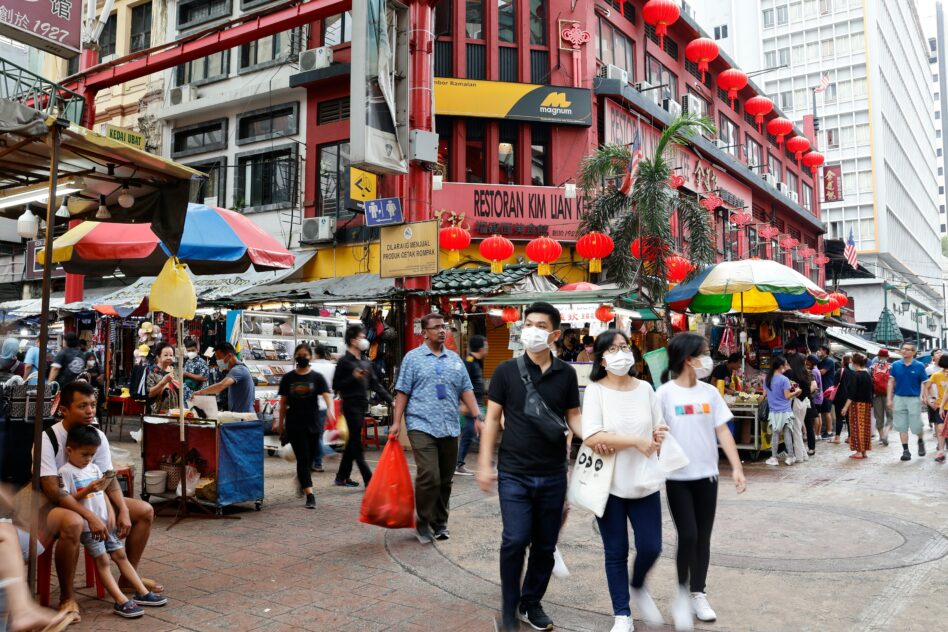
However, DBKL has not been consistent in its policy. While it has been overzealous in some of its enforcement, it seems to favour street traders over legitimate shopkeepers.
Recently, it granted Deepavali bazaar licences to outsiders to set up temporary stalls right in front of shophouses in Brickfields.
Unsurprisingly, about 50 shop owners, who are members of the Brickfields Business Community Society, are unhappy.
Moreover, they had earlier submitted an application letter dated July 21 requesting temporary licences for them to set up stalls in front of their shops from Sept 20 to Oct 20.
It is likely that outsiders operating their stalls will be selling the same things offered by the shops.
Not only will there be more competition, but these roadside stalls would also block access to the shops, as successfully done in Petaling Street to the extent many visitors are not aware there are shops behind selling more authentic stuff.
While street traders and hawkers should be given opportunities to earn a living, local authorities often seem to turn a blind eye on their transgressions until it is too late to uproot them from spots they occupy for a long time. A recent example was along Jalan 4/76 at Desa Pandan Kuala Lumpur.
Despite several attempts, DBKL failed to evict street traders who have constructed their stalls by the roadside and have been operating for many years, treating it as their right.
And this is just one of the countless areas in the city where people are allowed to occupy public land to do business.
Another example is the unnamed road linking Jalan Cochrane to Jalan Perkasa next to the Petronas station, which was built more than 20 years ago with a facility to refill natural gas for vehicles (NGV).
With many drivers converging there, temporary tents were erected by food stall operators to cater to the cabbies and the public.
Business was so good that they constructed permanent structures, and like many roadside businesses, it is a mystery how they could get electricity and water supply. The authorities must be in cahoot, officially or otherwise.
As long as there are permanent roadside stalls and open cooking, Kuala Lumpur will remain a third-world city.
YS Chan is master trainer for Mesra Malaysia and Travel and Tours Enhancement Course and an Asean Tourism Master Trainer. He is also a tourism and transport business consultant.
The views expressed are solely of the author and do not necessarily reflect those of MMKtT.
- Focus Malaysia.

No comments:
Post a Comment
Note: Only a member of this blog may post a comment.