


Subtle tension is reshaping Tawau’s politics, not through open hostility, but through quiet anxiety over identity and influence.
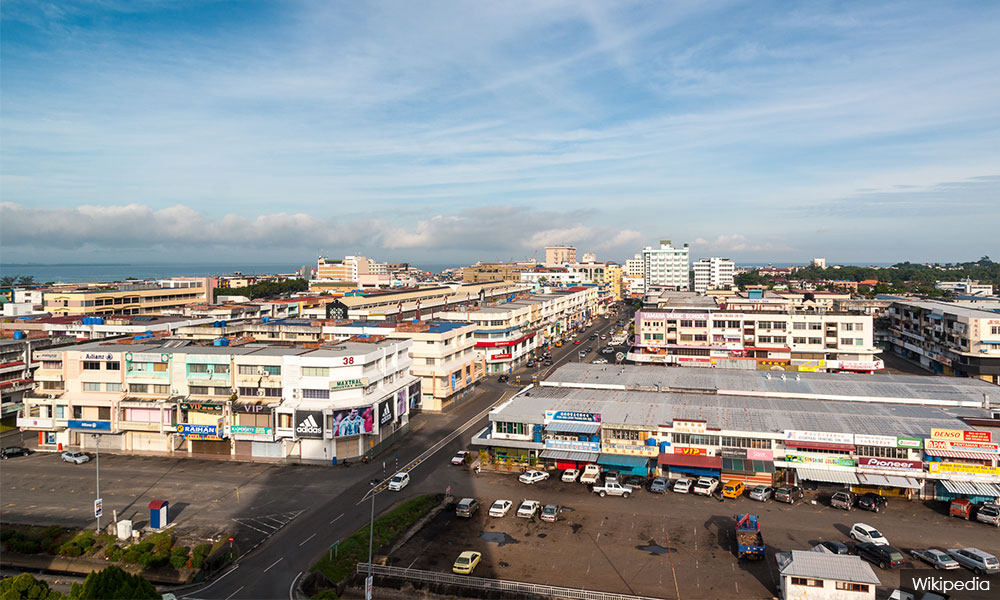
In Tawau, people have begun using a new word to explain an old fear.
They call it “Sempornaninasi" (Sempornisation), a local term that reflects a quiet unease about the growing political reach of its neighbouring constituency - and Warisan power base - as well as the belief among some communities that power could slowly be slipping away.
The word is not found in campaign slogans or speeches, yet it surfaces in everyday talk like in markets, roadside stalls and late-night conversations.
For many, it captures a deeper anxiety about who gets to decide, who gets appointed, and who stays in control when the election ends.
“We are not against anyone. But people here fear that if Warisan wins, everything will go to Semporna, senior government jobs, political appointments, even cabinet seats.
“That’s the talk everywhere,” said Nasir Said, 46, a small trader in Apas, one of Tawau’s state constituencies.
Siti Rahmah Hassan, who runs a noodle stall nearby, nodded in agreement.
“It’s not hate, just worry. Once they take over, we’ll be forgotten again,” she said.
Identity politics, Bugis pride
Universiti Teknologi Mara (UiTM) Sabah political analyst Tony Paridi Bagang said the idea of “Sempornisation” reflects how ethnic identity continues to shape Sabah’s local politics, especially on the east coast.
It also shows how Tawau's local politics differ sharply from Kadazandusun-majority areas in the interior.
“Here, identity politics is framed by two overlapping narratives, ‘Sempornisation’ and ‘Bugisnisation’.
“Both are linked to the political-economic nexus and bureaucratic representation, showing how ethnicity, access to power and control over resources intersect,” he said.
The Bugis make up the majority in Tawau, while Semporna is predominantly Bajau.
“Tawau's predominantly Bugis community may see (Sempornisation) as a challenge to their position politically, socially, culturally and economically," Bagang said.
However, even within the Bugis community there are tensions, as political elites from different parties fight over who best represents local pride.
Bugis vs Bugis: The Apas-Balung rivalry
This is evident in Apas and Balung, which are set to be among the battlegrounds where Gabungan Rakyat Sabah and BN will clash.
In 2020, GRS' Nizam Abu Bakar won Apas while BN's Hamild @ Hamid Awang won Balung.
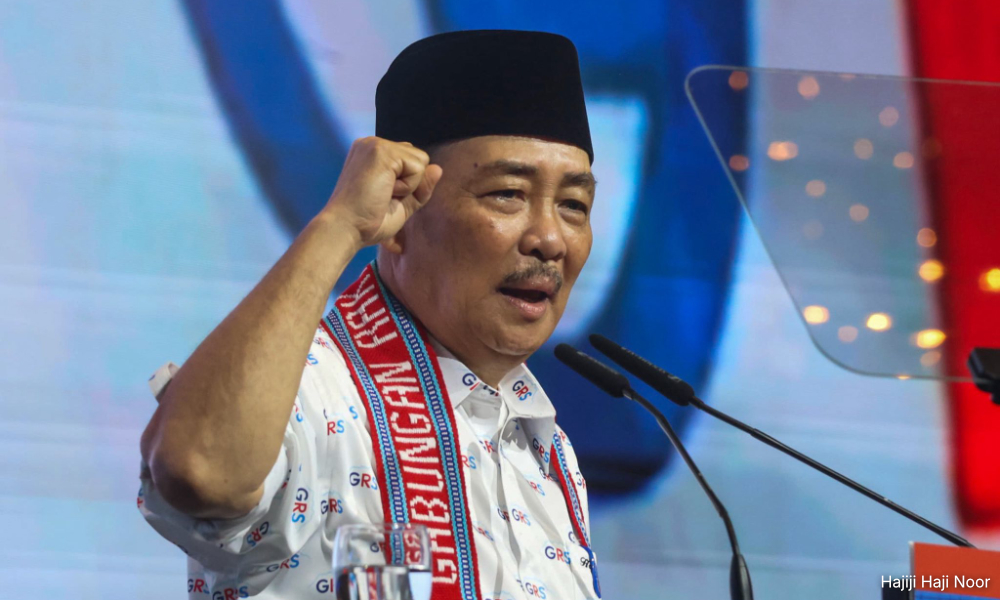
Hamid later switched his allegiance to GRS in 2023, after Sabah BN clashed with Caretaker Chief Minister Hajiji Noor.
Both incumbents are of Bugis descent and it's likely that their main opponent in the election this month will also be Bugis.
“It’s a Bugis-versus-Bugis dynamic. Voters are divided not by ethnicity, but by which Bugis leader they think can deliver more,” said a local who only wants to be known as Ahmad.
Tawau’s electorate tends to be older and more cautious. Of its 91,820 voters, almost 49 percent are over 40.
Many remember years of political turnover and remain loyal to familiar faces. They tend to vote for continuity, not for slogans or manifestos, but for people they believe will protect their interests.
“People here are careful. We have seen leaders come and go. They vote for those they know,” said Ahmad Ramli, a retired teacher.
Sri Tanjong stands apart
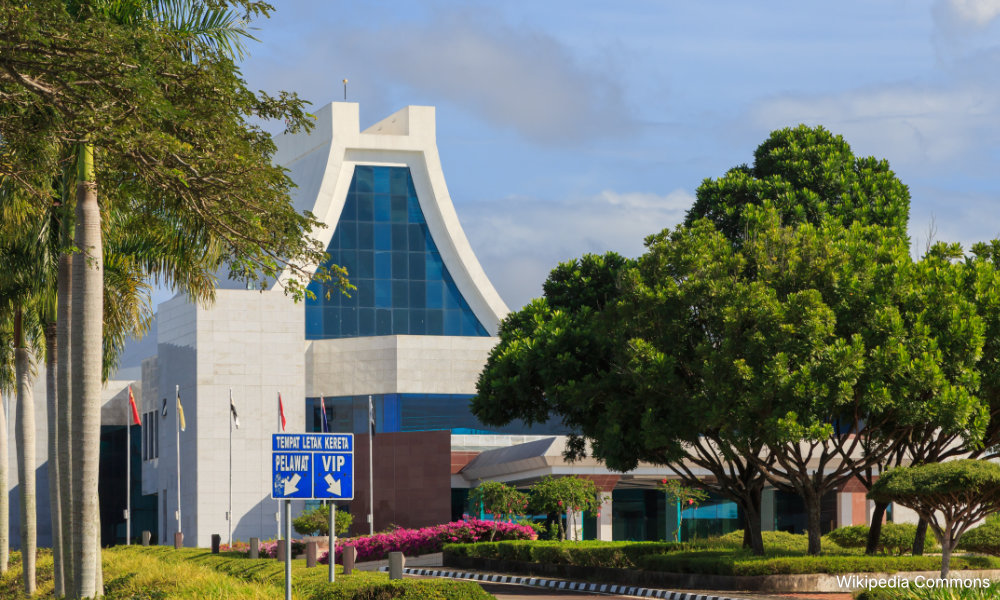
Only one of Tawau’s three state constituencies appears largely untouched by the talk of “Sempornisation” is Sri Tanjong, the urban and Chinese-majority seat.
Here, identity takes a back seat to performance and credibility.
Incumbent Justin Wong of Warisan remains a popular figure.
He speaks about development and opportunity, not ethnicity, proposing to turn Tawau into a gateway to East Kalimantan, complete with a cruise jetty, international-standard hotel and private healthcare investments.
“When tourists land at Tawau Airport, they turn right to Semporna, not left to Tawau. I want to change that,” he said.
However, Justin will be facing a stiff challenge from his former party DAP.
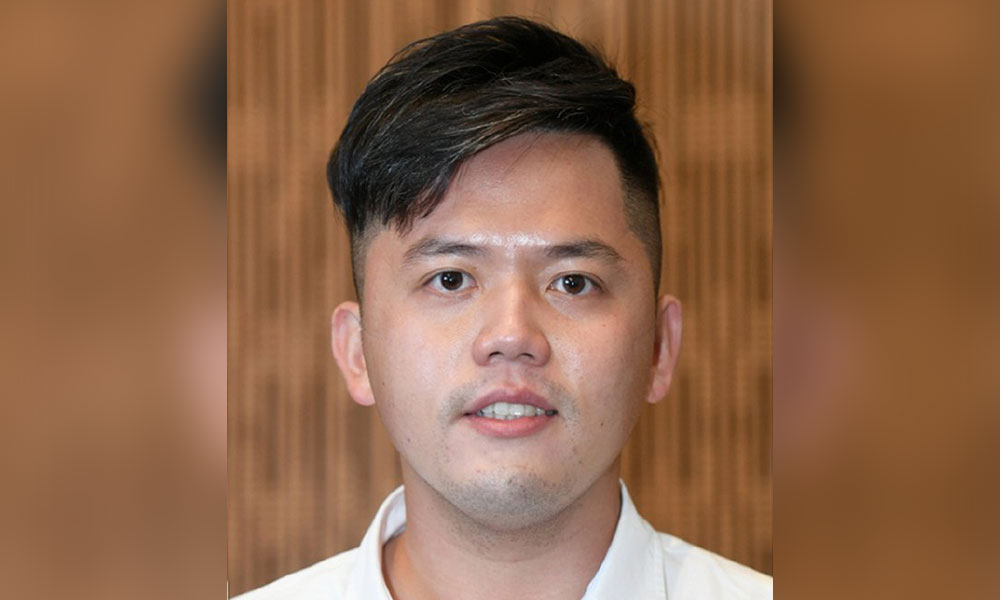
DAP's combined strength with Warisan in the 2020 Sabah election allowed Justin to win a whopping 75.6 percent of votes.
However, the Sri Tanjong representative defected to Warisan in 2022.
DAP’s influence in the seat remains strong, but its new proposed candidate, Philip Yap, has struggled to gain traction.
Loyal to DAP but…
Universiti Malaysia Sabah analyst Lee Kuok Tiung said Sri Tanjong’s voters remain largely loyal to DAP but also expect accountability and visibility.
“They still trust the brand,” he said. “But they also want candidates who are approachable and active on the ground.”
Party insiders now suggest that Larina Wong, sister of Sandakan MP Vivian Wong, could be fielded instead.
Hamzah Dedeng, a local observer said this was to capitalise on nostalgia for old DAP leaders.

The Wong sisters are the daughters of the late Stephen Wong, who served as Sandakan MP from 2013 to 2019.
“There’s just something about past leaders like Jimmy Wong and Chan Foong Hin - they really fought for local rights,” Hamzah said.
Meanwhile, Lydia Chung, who runs a café in town, said voters value youth and integrity.
“People want fresh faces, not dark stories. They’re tired of rich men and their dramas.” - Mkini

No comments:
Post a Comment
Note: Only a member of this blog may post a comment.