


PARLIAMENT | China’s complaints to Malaysia over the trade agreement inked with the United States were merely a way for Beijing to put “on record” its reservations, said Investment, Trade and Industry Minister Tengku Zafrul Abdul Aziz.
Addressing the Dewan Rakyat today, Zafrul said Putrajaya had sent over a team to hold discussions with Chinese representatives last week, during which several matters regarding the agreement with Washington were discussed.
“(China) said they needed to have it on record as it’s a geopolitical issue, they want to ensure that whatever is agreed on will not burden the trade relationship between us (China and Malaysia).
“What we agreed on was ‘okay, go ahead and issue that statement’,” Zafrul clarified in his winding-up speech on the Supply Bill 2026 at the committee stage.
Asserting that the matter has “brought us closer” to China, Zafrul today assured that Putrajaya is actively negotiating with China to ensure continued trade ties.
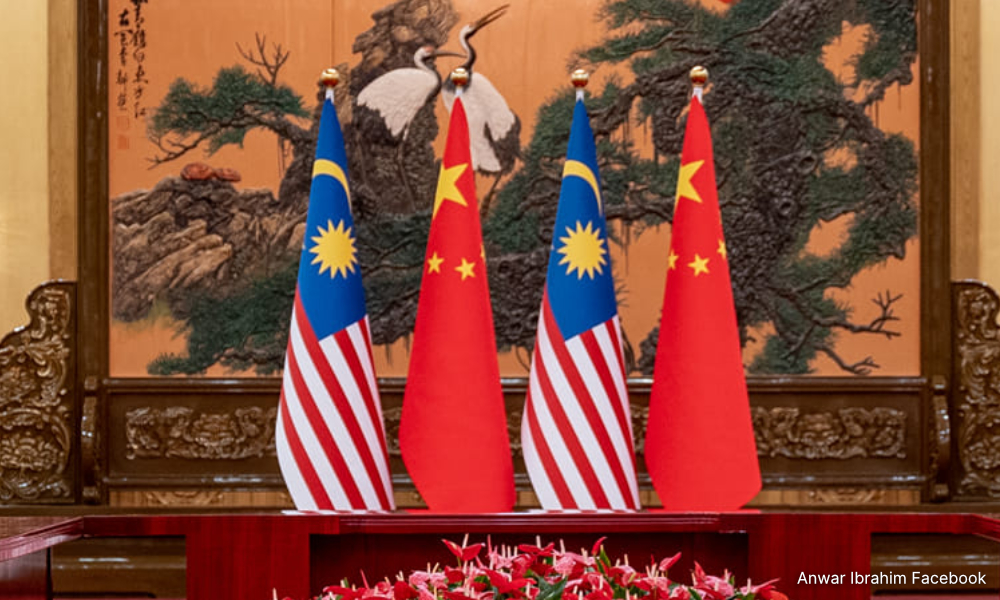
The minister said this when pressed by PAS MP Awang Hashim (PN-Pendang) on a recent Bloomberg report, which detailed that China’s Commerce Ministry had voiced “grave concerns” about sections of the US-Malaysia trade pact during a meeting with Malaysian officials on Nov 25.
The Chinese government is also said to have called on Putrajaya to “fully consider and properly handle this matter in line with its long-term national interests.”
Zafrul said today that he had attended a meeting in Kuala Lumpur with his Chinese counterpart, Chinese Premier Li Qiang, and Prime Minister Anwar Ibrahim, the day after the Malaysia-US trade deal was signed on Oct 26.
“(China) was initially concerned because, as they said, they are Malaysia’s strategic partner in trade, especially since we are their largest trading partners; even though in terms of a deficit, it’s on their side that we have a deficit with,” Zafrul said.
‘Deal was best-case scenario’
Opposition chief whip Takiyuddin Hassan (PN-Kota Bharu) had also sought the minister’s response to criticism against the Malaysia-US trade agreement, pointing to remarks made by former attorney-general Tommy Thomas and Zafrul’s deputy, Liew Chin Tong (Harapan-Iskandar Puteri).
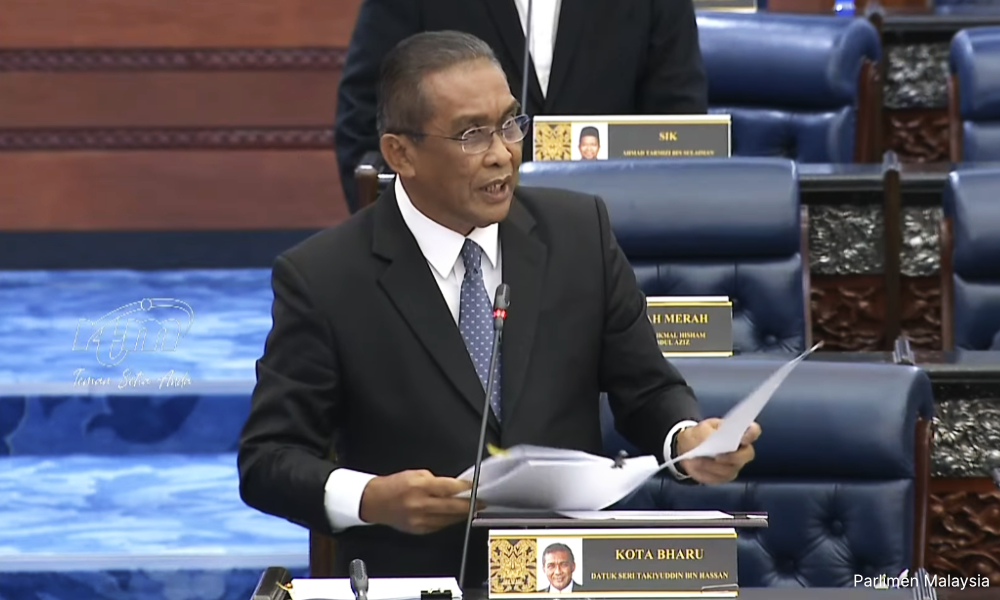
“(Tommy) said this agreement is the worst agreement since Merdeka. Is he simply saying that, or is he suggesting that we were forced to enter into this agreement, as mentioned by the deputy minister (Liew)?” the PAS secretary-general queried.
After thanking Takiyuddin for his concern, Zafrul appeared to take a shot at Liew, saying: “Thank you also to my deputy minister for saying that.”
On Nov 3, Liew reportedly said Malaysia was “forced” to enter negotiations with the US over the trade agreement after Washington announced reciprocal tariffs in April, with discussions said to be driven by the latter’s unilateral move.
Earlier, on Oct 29, Zafrul had also admitted that Malaysia had “no choice but to negotiate” with the US, insisting that the deal was the “best-case scenario” negotiated under difficult circumstances.
Zafrul also pointed out today that the opposition had previously “endlessly attacked” Tommy, including the lawyer’s book on governance.
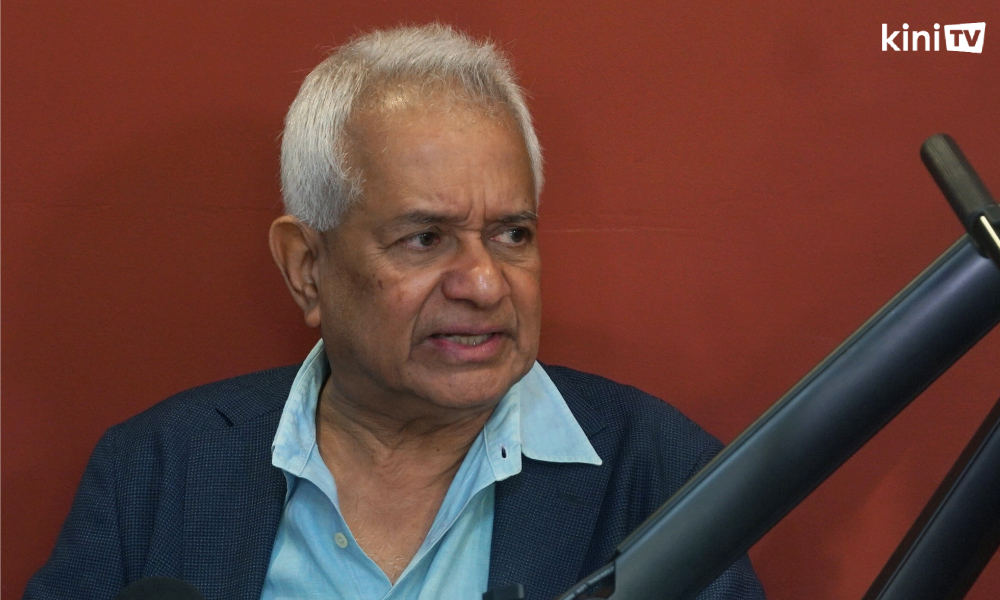
“If every day we accuse (Tommy) of mishandling major cases in our country, it’s strange that today we elevate the same man’s writing as the ultimate scripture, simply because it fits a political narrative.
“Sorry, but it’s really not right. I totally disagree with what Tommy said,” Zafrul stressed.
‘M’sia is exposed’
Earlier in his speech, Zafrul reiterated that Malaysia did not negotiate the trade agreement “from a position of comfort”, noting that the talks were held under the threat of US President Donald Trump’s 25 percent tariff on almost all of Malaysia’s exports to the US.
“Through the agreement, we capped the tariff (rate) at 19 percent, not 25 percent or higher. We locked in zero tariffs for 1,711 tariff lines, and we also succeeded in ensuring key products - even semiconductor products - remain exempt,” he said.
“When asked why Malaysia was among the earliest to sign (the trade agreement with the US), the answer is simple: because we were among the most exposed.
“Our export structure, dependence on the E&E (electrical and electronics) sector, as well as vulnerability to US tariffs, are far higher than several other Asean countries,” he added.
Zafrul said that while Asean solidarity is important, such solidarity cannot be used as an “excuse” to delay protection for Malaysian workers and producers.
“It is easy to accuse the government of being hasty now that the biggest risk has already been reduced.
“The difficult part was making decisions when the 25 percent tariff pistol was already pointed at our economy, and investors were deciding whether to stay in Malaysia or move to Vietnam, Thailand, or Mexico,” the minister said.
Controversial deal
The agreement, signed during Trump’s visit to Malaysia for the Asean Summit, includes provisions encouraging closer alignment with Washington on national security matters such as export controls, sanctions, and investment screening.
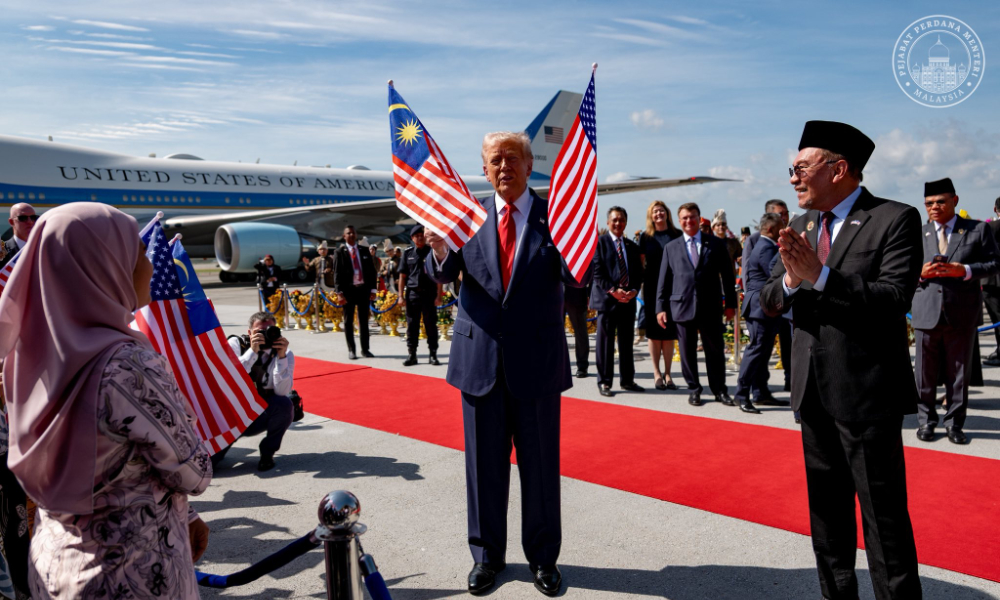
The Malaysia-US pact grants preferential access for American goods and services, while the US has exempted certain Malaysian exports from Trump’s 19 percent reciprocal tariff.
In return, Malaysia is expected to observe US trade restrictions tied to economic or national security concerns, align itself with US export controls and sanctions on sensitive technologies, and prevent Malaysian firms from facilitating sanctions evasion.
Putrajaya is also expected to explore mechanisms to screen inbound investments for national security risks, including those involving critical minerals and infrastructure. - Mkini

No comments:
Post a Comment
Note: Only a member of this blog may post a comment.