


Suhakam’s Office of the Children’s Commissioner (OCC) welcomes the introduction of the National Education Plan 2026–2035 as a strategic continuation of the Malaysia Education Blueprint 2013–2025.
In general, OCC views the plan as a positive and progressive step towards improving the quality of education, addressing systemic inequities, and prioritising the well-being of children.
OCC acknowledges the direction of the plan, which no longer focuses solely on access, but instead, places emphasis on the quality of education, equity and student well-being.
This approach is important because truly meaningful education is not merely about ensuring that children attend school, but about ensuring that they learn effectively in a safe, supportive environment that enables their development.
OCC also welcomes the emphasis on the concept of “Insan Sejahtera” (holistic human being), which encompasses academic achievement alongside character development, emotional, social and spiritual well-being.
This approach is consistent with a holistic child rights framework and reflects an understanding that educational success should not be measured solely through examination outcomes.
Inclusivity lauded
OCC commends the Education Ministry’s commitment towards inclusive education, particularly efforts to strengthen support for students with special educational needs, students in rural and remote areas, Orang Asli children, and those from low socioeconomic backgrounds. The principle of ensuring that no child is left behind is clearly articulated within the policy framework.
OCC further commends the ministry’s openness in acknowledging existing challenges, including Malaysia’s performance in international assessments such as the Programme for International Student Assessment and Trends in International Mathematics and Science Study, urban–rural disparities, and upper secondary school dropout rates.
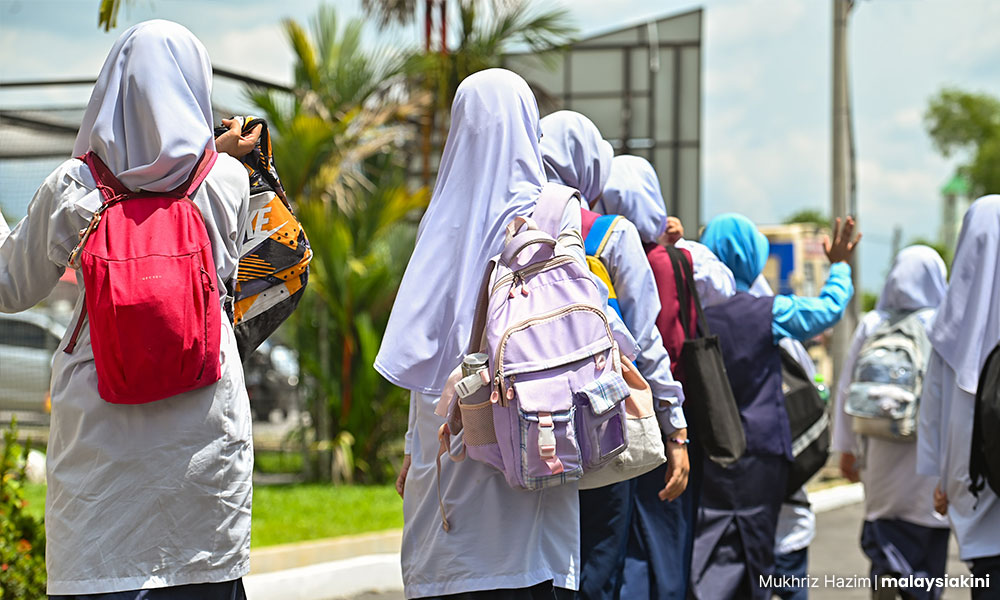
Such transparency is an important foundation for evidence-based and effective policy reform. However, OCC stresses that the true success of the plan will ultimately depend on its consistent and effective implementation, particularly in ensuring the protection and fulfilment of children’s right to education.
While the blueprint presents a strong vision and policy framework, clearer mechanisms are required to safeguard educational rights. OCC reiterates that children are not merely beneficiaries of policy, but they are the rights holders, in line with Malaysia’s obligation under the Convention on the Rights of the Child (CRC).
Therefore, clearer explanations are needed on how students’ right to education will be protected, monitored, and enforced when targets are not met at the school or district level. OCC further emphasises that upper secondary school dropout should be addressed as a child rights concern rather than solely as an enrolment issue.
Each instance of dropout reflects a systemic failure to adequately protect a child’s right to education. OCC urges for more targeted and rights-sensitive interventions to be developed for children at higher risk, including those living in poverty, children in remote areas, children engaged in labour, those at risk of early marriage, and children without documentation or with unclear legal status.
Clear, measurable timelines to upgrade schools
Concerning inclusive education, OCC notes that gaps remain in infrastructure and physical accessibility, particularly for children with disabilities. Where schools are not disability-friendly, children may be indirectly excluded from accessing education on an equal basis.
OCC calls on the ministry to set clear, measurable timelines to upgrade schools to be accessible for children with disabilities, alongside more comprehensive and sustained training for educators in inclusive education.
OCC is also of the view that children’s voices remain insufficiently represented within education governance structures. Meaningful, safe and continuous mechanisms for children to express their views, experiences and concerns are essential to ensure that education policies are responsive to realities on the ground and truly child-centred.
At the same time, OCC underscores that the well-being of teachers and school counsellors is integral to the realisation of students’ right to education. Excessive non-pedagogical workload, high counsellor-to-student ratios and work-related stress can adversely affect the quality of support provided to students.
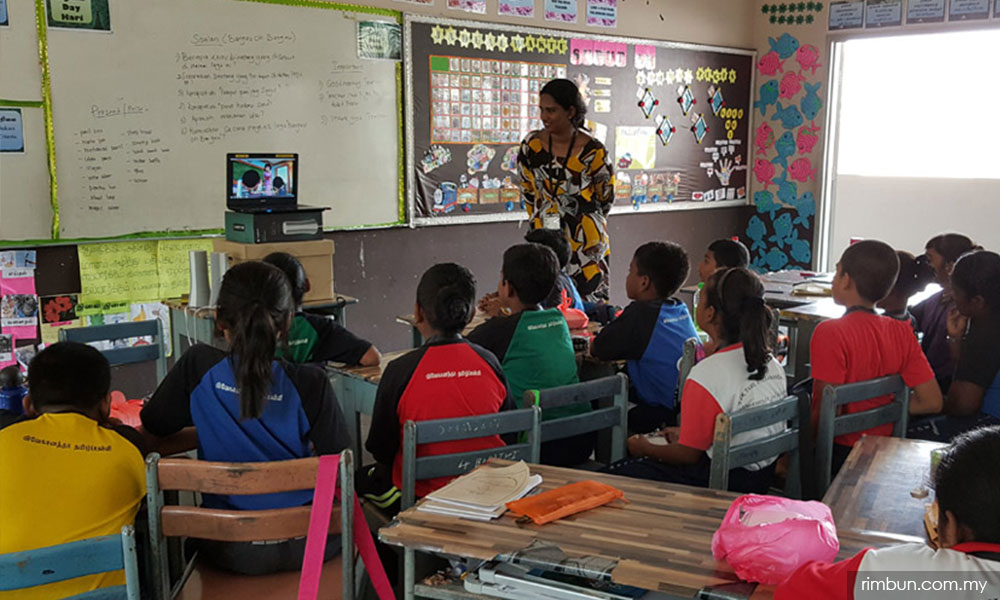
Investment in the welfare of educators is therefore an investment in the present and future of children. In conclusion, OCC welcomes the plan as an important step towards a more inclusive, equitable and future-oriented education system.
Nevertheless, strong policy commitments must be accompanied by implementation that is firmly grounded in child rights principles. The ultimate measure of the success of the plan lies not in policy documents or numerical targets, but in its ability to ensure that no child is left behind, marginalised or denied their right to education, particularly those most at risk.
OCC stands ready to engage constructively with the ministry and all relevant stakeholders to ensure that the implementation of the plan delivers meaningful and lasting improvements to the lives and future of all children in Malaysia. - Mkini
FARAH NINI DUSUKI is chief children’s commissioner of Suhakam.
The views expressed here are those of the author/contributor and do not necessarily represent the views of MMKtT.

No comments:
Post a Comment
Note: Only a member of this blog may post a comment.