


Norway’s ban on exporting sensitive defence technology to non-Nato countries does not automatically absolve defence contractor Kongsberg of liability for failing to supply Malaysia with naval strike missiles (NSM), said lawyer Nizam Bashir.
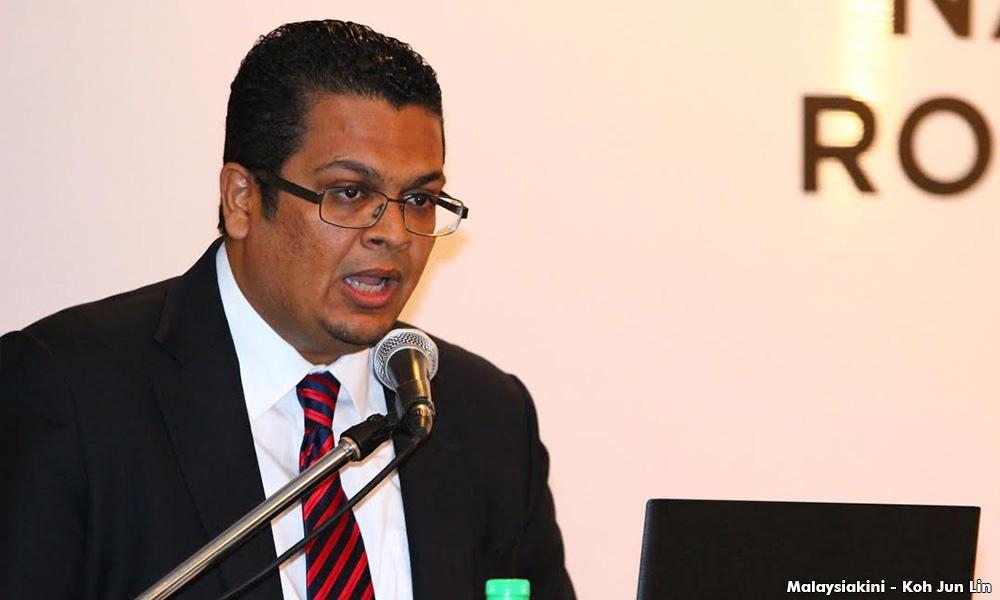
Speaking to Malaysiakini, he expressed a strong belief that Putrajaya should pursue compensation from the defence contractor, to not only recover the payment it has made but also to reimburse other costs that resulted from the non-compliance.
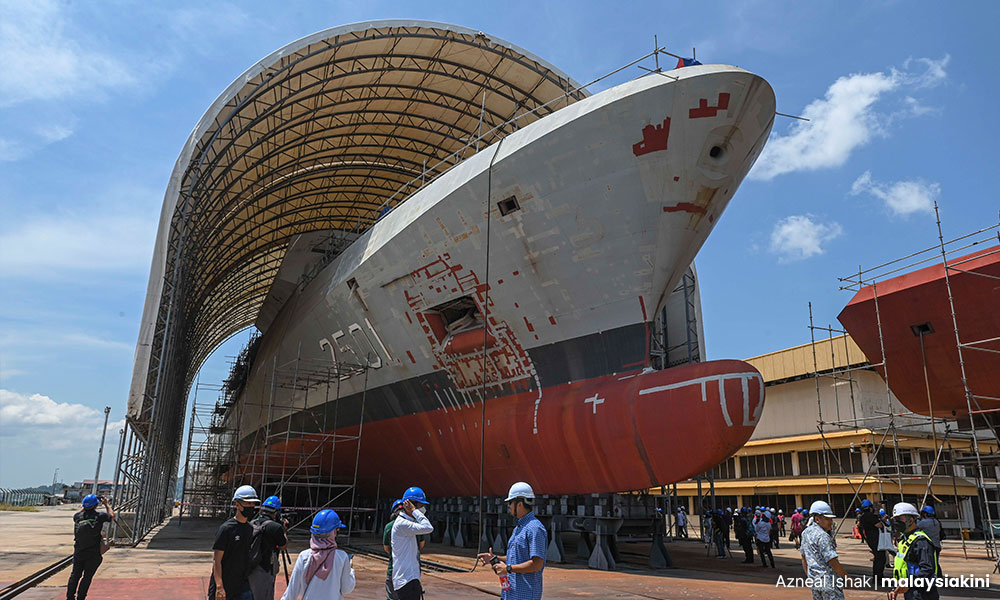
This includes the costs required to remove the relevant equipment installed on the littoral combat ships (LCS) being constructed for the Royal Malaysian Navy (RMN) and to fit new ones.
“Norway and Kongsberg cannot walk away from an eight-year-old contract, days before delivery, without financial consequences.
“Beyond claiming the full refund, Malaysia can claim the cost difference of procuring a replacement missile system and all wasted expenditure incurred in reliance on the contract,” Nizam said.
He agreed with Prime Minister Anwar Ibrahim’s statement that signed contracts are binding, and urged Putrajaya to back its diplomatic protest with formal legal proceedings against Norway and Kongsberg.
Not a blank cheque
According to Nizam, even if the signed agreement contains a “force majeure” clause, it is not a “blank cheque” for the contractor to wash their hands of any responsibility.
A force majeure clause is a contract provision that excuses parties from their obligations when an extraordinary event occurs.
“Kongsberg must prove the restriction was unforeseeable. As a Norwegian defence company, it cannot credibly claim its own government’s policy was a surprise,” he said.
On top of this, the timing of the ban decision can also defeat a force majeure defence, as Norway only notified Malaysia days before they were supposed to deliver the NSM.
Nizam pointed out another issue with Norway’s decision, where it permits Australia, which is a non-Nato country, to manufacture the missiles.
“If the ban is truly categorical, why is Australia exempted? This inconsistency must be pressed hard.
“Force majeure is a legal argument to be tested, not a fait accompli to be accepted,” he stressed.
Diplomatic option
Similarly, Arjun Mohanakrishnan believed that Malaysia, as the innocent party, could take action against Kongsberg for breach of contract.
However, the lawyer pointed out, it would also depend on the terms in their contract, including whether it has clauses to state which laws would have jurisdiction on the agreement.
Should the agreement fall under Malaysian laws, Arjun said the government can be entitled to restitution if a breach of contract is established.
“This would put the parties back to a pre-contractual position, meaning the Norwegian company would have to refund the monies it received.
“An innocent party claiming for breach can also claim for reliance losses. For example, Malaysia may claim for other losses incurred in anticipation of performance, such as the massive costs of having to refit the LCS to accommodate other types of missiles," he said.
In the event of a breach, instead of restitution, the innocent party can also pursue expectation losses. This would put the innocent party in a position as if the contract were performed properly. For example, it would be the cost of buying a similar missile for the LCS.
If Kongsberg claims the agreement is now rendered as a “frustrated contract” due to Norway’s new law making it illegal, Arjun said Malaysia would still be legally entitled to a refund of the money paid.
However, Putrajaya generally cannot claim for extra reliance losses like refitting the ships because neither party is legally at fault for the frustration, he added.
Diplomatic remedies
On the other hand, law lecturer Daniel Abishegam urged the government to explore remedies through diplomatic negotiations before pursuing legal action.
The academic director at Advance Tertiary College believed Malaysia might be able to get a better solution through diplomatic remedy, including trying to convince Norway that Malaysia is not a threat to Nato nations, for it to be banned from getting NSM.
“Diplomatic back-channel negotiations might prove to be more effective than an outright legal action.
“I believe that the Norwegian government made an exception for Ukraine, so maybe we can convince them that we are not in any way a threat to them or any other Nato country, and the geopolitical stability in this region that comes from a well-armed Malaysia can be beneficial for Norway,” Daniel said.
RMN reportedly signed an agreement with Kongsberg Defence and Aerospace AS (KDA) in April 2018, with a contract value of €124 million (RM571.9 million) to equip its six new LCS.
The missile was selected for its long-range strike capability, radar-evading features, and compatibility with modern combat systems.
However, early this month, the news portal Malaysian Defence reported that Norway decided to block the missile shipment without prior consultation or notification to Malaysia.
Defence Minister Khaled Nordin later confirmed he was informed of the restriction while attending the DSA 2026 defence exhibition in Kuala Lumpur last month.
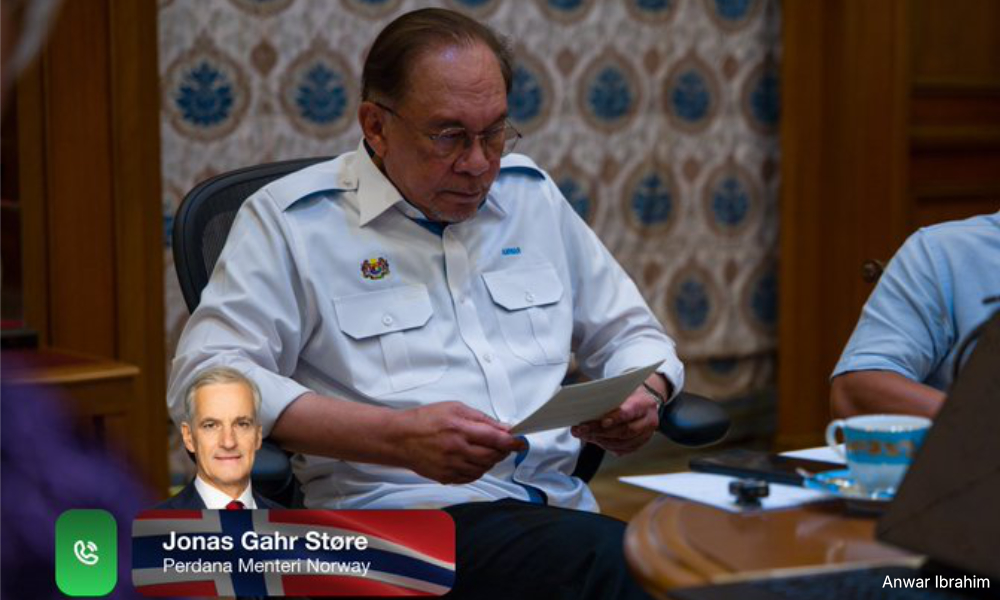
Norway’s decision led to Anwar “expressing his vehement objection” to his Norwegian counterpart Jonas Gahr Store in a telephone call on May 14. - Mkini

No comments:
Post a Comment
Note: Only a member of this blog may post a comment.