


When I was in school, our sex education consisted of the pornographic magazine being passed from one student to another, in secret.
The “porno mag” was smuggled into class, hidden in a school atlas. It was the biggest textbook which could easily hide the “Playboy” magazine.
Didn't they say that the best way to conceal something was to place it somewhere so obvious, that people wouldn't suspect it's being hidden?
The nuns at our Convent school, our teachers and our parents were pleasantly surprised that we were keen on geography. Little did they know.
By the time it was my turn to “read” the magazine, it was very battered with the pages, especially the centrefold, held together by sellotape.
Porno magazines are a terrible form of sex education, but that was all we had.
Sex was a taboo subject then; it still is today. Sex education was non-existent then, and even today.
Back then, we were so naïve, that some of us thought that we could get pregnant by holding a boy’s hand.
Today, many parents disagree with sex education being taught in schools. There are teachers who fear the pupils’ parents’ wrath. Others do not feel confident teaching children about sex.
Incredibly, many parents think that sex education is giving a licence for their children to have free sex.
In their ignorance, they ignore the importance of teaching children about boundaries, saying “no”, spotting signs of being groomed, building loving stable relationships, taking precautions, and not being afraid of seeking help.
In my school days, the urban myth was that girls who became pregnant “disappeared” from school. They were whisked away by their parents, it is said, to live with an aunt, in another state, or overseas.
We need to talk about sex
So, if sex talk is taboo, how do we make people aware of sexual abuse?
Sexual assault was rarely reported then, but today, reporting has improved significantly.
However, have we become immune to reading about sexual abuse which we now find is commonplace in many Malaysian homes, schools, universities, boarding schools and the workplace. Is it like reading about acts of violence, be it in Malaysia or other parts of the world, that we just move on to the next column of the newspaper?
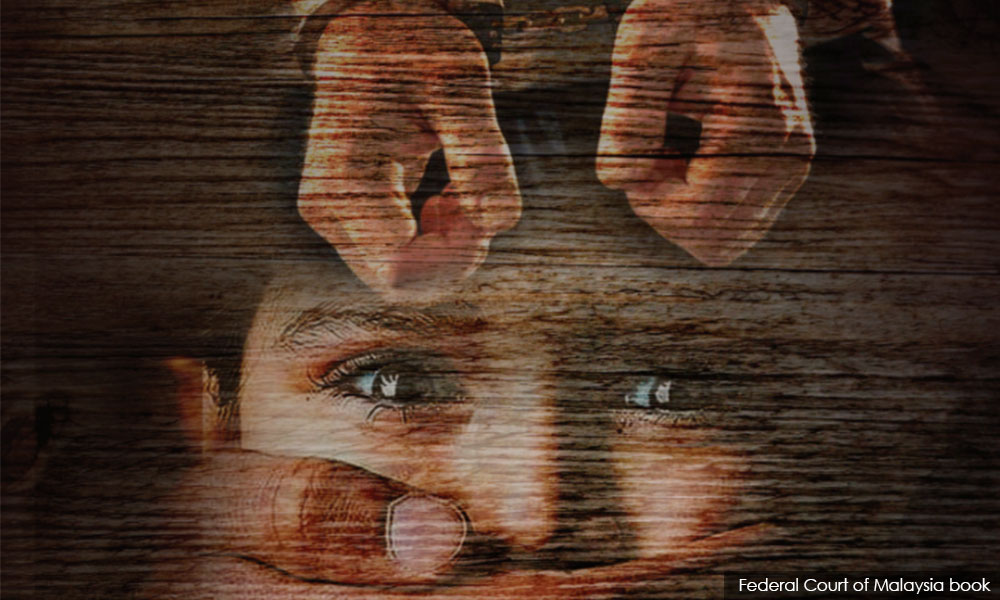
It is our reluctance to talk about sexual abuse which encourages predators, paedophiles and perpetrators of sexual abuse to take advantage of this Malaysian taboo.
If a child is a victim of sexual abuse, many Malaysian families go into panic mode.
Many Malaysian families live in denial. They think that sexual abuse happens to other families, not theirs. Others will say it’s fate, “There’s nothing we can do. It’s God’s will.”
We live in close-knit communities, and we are malu (ashamed) that our neighbours and friends will find out. We fear being ostracised and isolated.
It is against this backdrop and culture of silence which allows victims of abuse to continue being abused and denies them receiving any form of justice.
Instead of protecting the victim, we want to protect the family name, the community, culture, even religion.
Reluctance to talk about sexual abuse, and burying our heads in the sand, prompted one paedophile, Richard Huckle to take advantage of this taboo.

For over nine years, he groomed, abused, and raped thousands of Malaysian children and sold compromising images on the dark web. He was finally caught in 2016.
Some studies show that as many as one in four girls and one in 13 boys experience sexual abuse at some point during their childhood.
Sexual abuse happens to everyone - all races, religions, income and education levels. More importantly, sexual abuse is not just a women’s issue. Men are also sexually abused.
Help is available
However, why do some people not realise that help is available?
If 21-year-old student Jia Xin Teo had sought help, she and her baby could have been saved. Instead, she gave birth on a cold bathroom floor, then panicked and stashed her baby in a cereal box which she hid in a suitcase. Her baby subsequently died, and she faced a murder charge and is now languishing in a prison in the UK, where she is serving a life sentence.
Many people fail to realise that strength doesn't mean facing challenges or dark feelings alone. There is strength in numbers and strength in asking for help. If only Teo had reached out. Help is always available, whether in the UK or Malaysia.
The various appropriate organisations will offer help in an environment that is non-judgmental and respectful.
However, many people are reluctant to lodge police reports because they do not think that their allegations will be treated in confidence. Some have allegedly been accused of fabricating stories.
Child victims must be handled differently from adult victims. Will the sexual abuse/rape victims in the Global Ikhwan Services and Business Holdings scandal be dealt with with sensitivity?
Are our laws against sexual offenders adequate? How many reported paedophiles are taken to court? Many NGOs and doctors who deal with child rape are frustrated by the length of time it takes to prosecute the rapists. They express anger that the judges give lenient sentences.
Education and information sharing are important. Being aware of sexual abuse and consciously intervening is everybody’s business.
Also remember that for the victim of sexual assault, it is not, never was and never will be her/his fault. - Mkini
MARIAM MOKHTAR is a defender of the truth, the admiral-general of the Green Bean Army, and the president of the Perak Liberation Organisation (PLO). Blog, X.
The views expressed here are those of the author/contributor and do not necessarily represent the views of MMKtT.

No comments:
Post a Comment
Note: Only a member of this blog may post a comment.