


Whether it is comments about their hair, marital status, or even their faith, Malaysia’s female leaders say public criticism often crosses the line into personal attacks – something their male counterparts rarely face.
Faced with relentless criticism, three Malaysian women approached by Malaysiakini - an activist, an MP, and a state assemblyperson - are choosing not to disappear, but to push back, reclaim space, and challenge the double standards that seek to keep them small.
For activist Ain Husniza Saiful Nizam, the harsh realities of online vitriol and gendered harassment hit early and hard.
She recounted that when she was just 17, an image of her wearing a simple red shirt in a news article drew a wave of sexualised and degrading comments.
“That night, I cried while cutting the shirt into pieces. I felt so dirty in it that I could never wear it again. People think these are just comments, but they stick with you… it broke me in ways I didn’t even realise at first.
“Personally, it was a deep, painful kind of shame. Professionally, it made me want to hide,” she said.
In 2021, Ain exposed her male teacher for allegedly making lewd jokes in class.
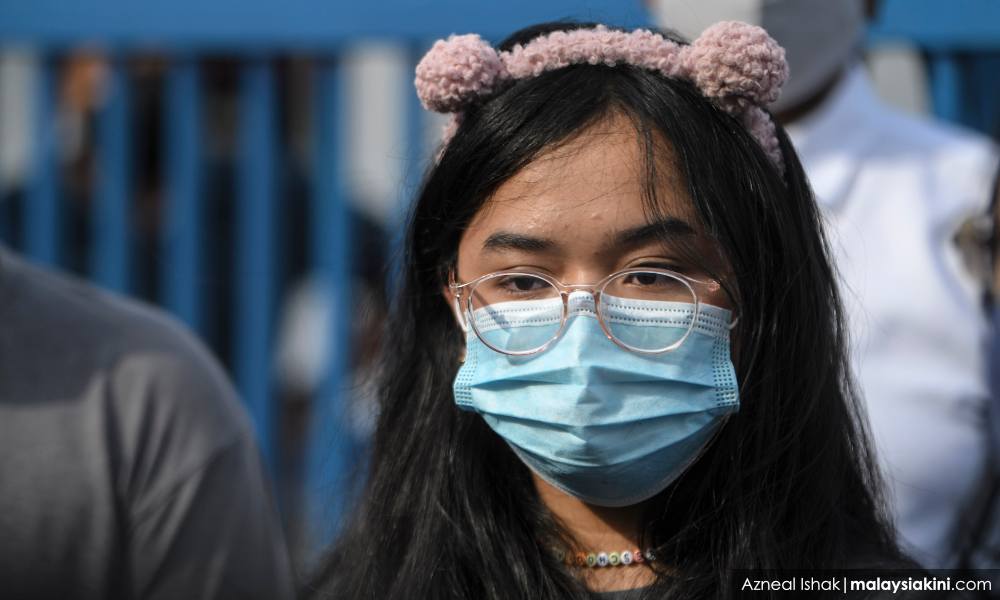
Subsequently, she had to endure all sorts of backlash, including a rape threat from a schoolmate.
One of the most common criticisms she received was that she was being too emotional and that she should have tried to resolve it internally with the school.
Battling body dysmorphia and the weight of shame, Ain once wished she could disappear altogether.
“I wanted to hide, to exist without being looked at - especially as a girl,” she said. Yet, despite the pain, she chose not to vanish from public life.
Picking one’s battles
Relating her challenges, Bukit Bendera MP Syerleena Abdul Rashid said the attacks on her are often personal and relentless, blurring the lines between political disagreement and character assassination.
“People comment on how I dress and question my faith or identity. Professionally, I’ve learned to take it in stride, but I’d be lying if I said it didn’t affect me personally.
“Some days, it hurts more than others. You try to build thick skin, but we’re still human,” she said.
While Syerleena has learned to pick her battles, sometimes responding to shift the conversation, other times choosing silence as a strategy, the emotional toll still lingers.
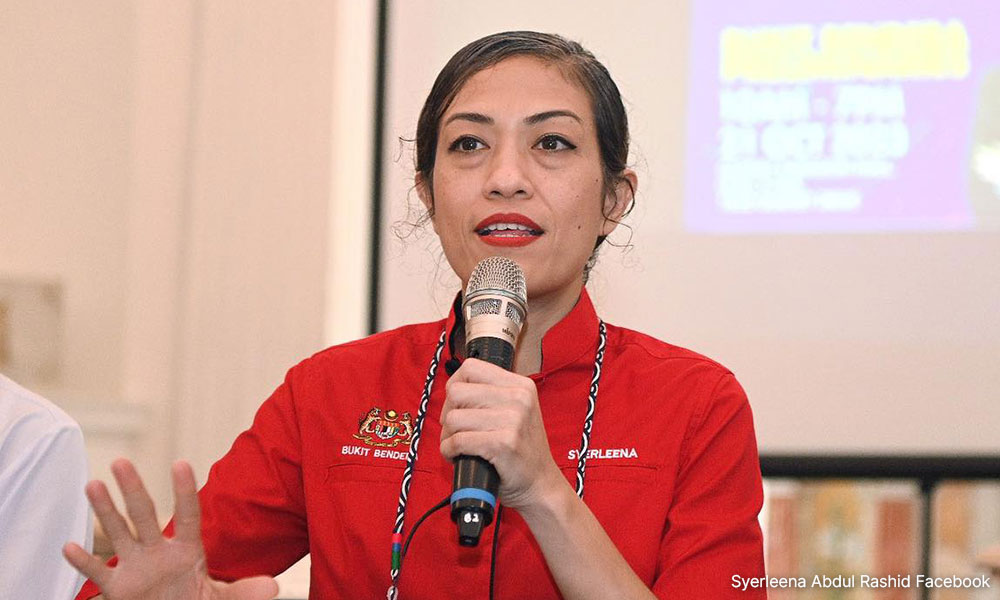
The DAP leader admitted that while there are moments where she feels “incredibly small,” she reminds herself of why she chose this path - to serve, make a difference, and open doors for others who feel unseen.
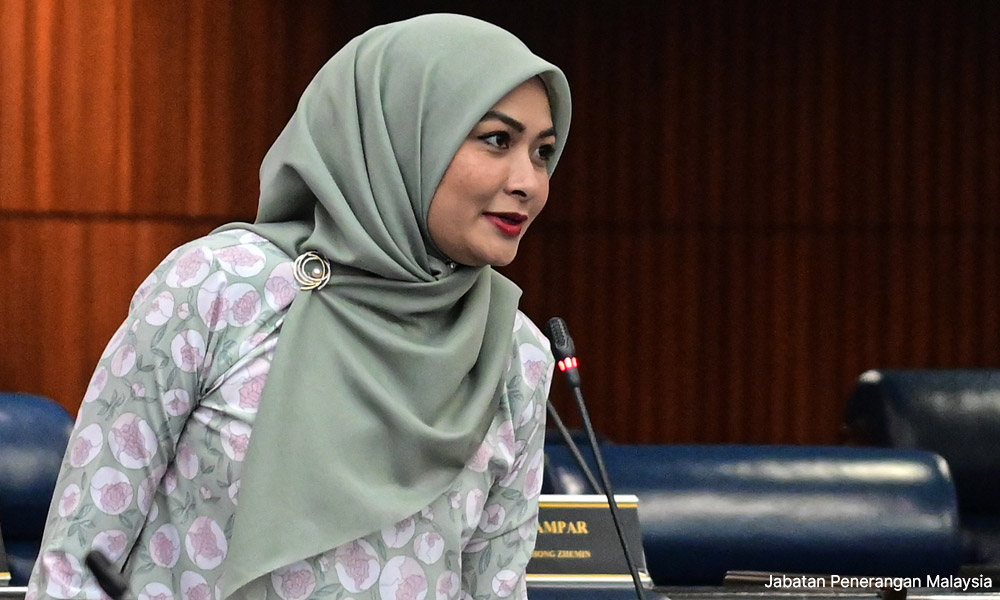
The same push to serve keeps Bentong MP Young Syefura Othman grounded, although she, too, is no stranger to the weight of constant judgment.
While she expected criticism when she entered politics, the DAP politician says the focus of such comments often veers away from her work.
“Comments about how I dress, speak, or even my relationship status seem to attract more attention than the policies I advocate. Professionally, it’s frustrating because it distracts from the work that matters.
“It can feel isolating and hurtful, especially when the remarks get deeply personal,” she said.
Pressing forward
Still, like Ain and Syerleena, Young Syefura refuses to be silenced, instead opting to simply not entertain such remarks and keep in mind that her purpose is bigger than their opinions.
For all three women, the glare of public scrutiny is more than a professional hazard - it is a deeply personal burden. However, even with the emotional defences they’ve built, one reality remains unchanged - the rules are not the same for men and women in public life.
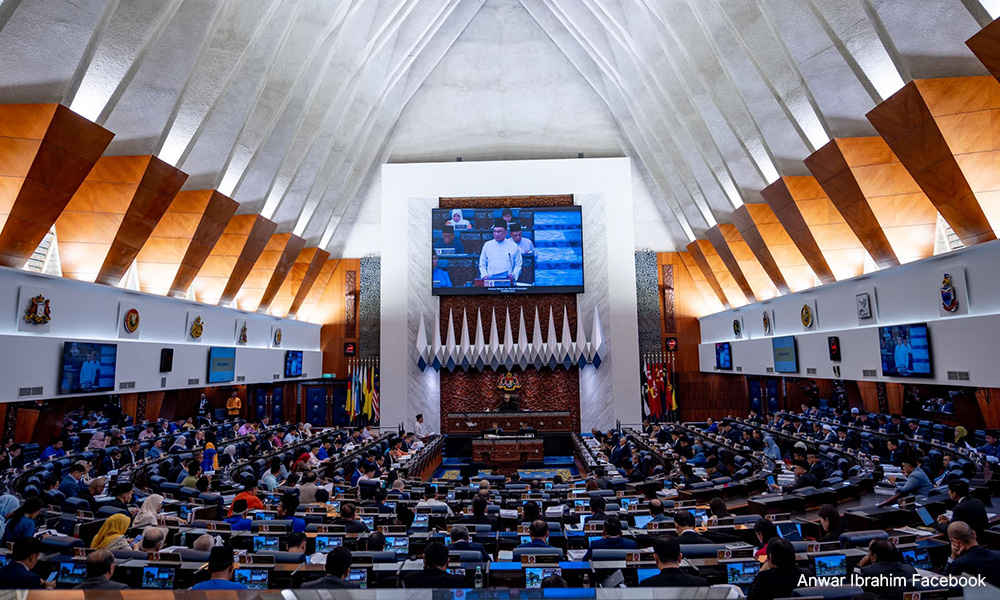
In the Dewan Rakyat, there are 28 women out of 222 members, representing less than 14 percent of the body. It is within this underrepresentation that gendered criticism threatens to further discourage women from entering or remaining in public service.
Rights advocates have consistently pointed to the patriarchal norms entrenched in Malaysia’s social fabric and the online environment that amplifies gendered attacks as core reasons why these personal attacks persist, at the cost of women’s work and policy contributions.
Double standards
Across activism and politics, the women were unanimous in pointing out a glaring truth: gendered double standards don’t just exist - they define the terrain they walk.
“Men can be loud, messy, ambitious and still be respected. But, when a woman does the same, she’s suddenly ‘too much’, ‘too emotional’ or ‘overconfident’.
“It’s not about the work - it’s about how uncomfortable people are when women take up space,” Ain said.
Syerleena echoed that frustration, pointing out that male leaders are unlikely to be quizzed on their clothing choices, family lives or appearances - issues which routinely become unfair points of judgment for women in the public eye.
Characterising the double standards as a matter that is deeply rooted in patriarchal ways of thought, she also highlighted that women in politics are expected to be “flawless”.
“If we’re assertive, we’re labelled as aggressive. If we’re compassionate, we’re called weak,” she lamented.
That perception of assertiveness as aggression is something Young Syefura has also faced and pushed back against, adding that even when women lead with substance and policy, they are scrutinised not just for what they say, but how they look when saying it.
“We are judged not just on our ideas, but on how we look, whether we smile enough or if we’re ‘likeable’. The double standard is real and sometimes exhausting, but I’m here for the challenges,” she added.
Women against women
Despite the gendered criticism they face from the public, the deepest cuts often come from other women. Each of them recalled moments where support might have been expected, but judgment was what they received instead, in the form of comments reinforcing the barriers they are trying to dismantle.
For Ain, those comments reflect something deeper: internalised misogyny passed down through generations, shaping how women view each other.
“There were girls who told me I was too loud, or that I should’ve just stayed quiet. It made me realise how much we’ve been taught to criticise one another instead of lifting each other up,” she shared.
Syerleena reflected on a similar experience, saying the sting of judgment feels sharper when it comes from those who understand the pressures of being a woman in public life.
She said that while solidarity might seem like a natural expectation, the reality is often more complicated as patriarchal conditioning has, over time, taught women to judge one another through inherited biases rather than shared experience.
Young Syefura, too, said the remarks from fellow women often come cloaked as “advice”, but are really attempts to police behaviour and looks.

“It reminds me how internalised sexism can affect us all, and how important it is for us to support one another intentionally.
“Sometimes, you need to remind your colleagues and set a clear boundary about what kind of remarks or jokes you can make,” she said.
Yet despite the pain, all three believe these moments offer an opportunity to break patterns of judging each other harshly and model something better for the next generation of women.
“It’s why I speak up about it. We need to change how we talk to and about each other. We owe that to the girls coming after us,” Ain said.
Fighting for the future
For all the criticism they’ve endured, whether from strangers or from those they expected to stand beside them, what unites these women is a deep commitment to change - not just for themselves, but for those who will come next.
Each of them spoke not only about the harm they’ve experienced, but also about the kind of support women like them needed - and still need - to thrive in public roles.
For Ain, that means creating safe spaces like her Pocket of Pink organisation, where girls can be heard, supported, and empowered without fear of being belittled.
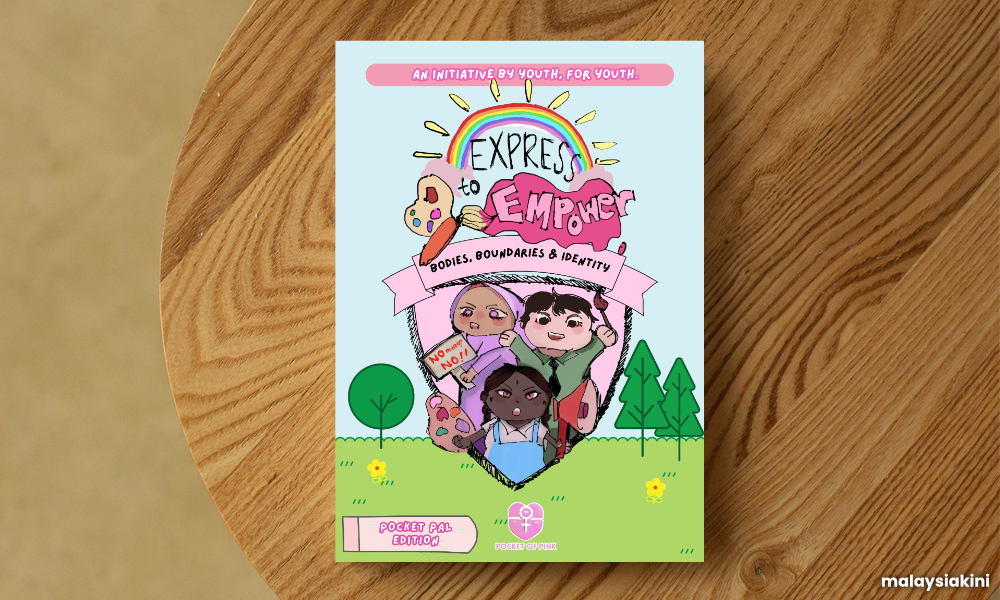
Her own experience of shrinking herself in response to shame taught her that while staying small doesn’t protect anyone, building community might aid in assisting those facing similar issues.
“We need more spaces where women can be vulnerable and supported without fear,” she said, adding that mental health support and better online accountability are crucial for young women navigating public life today.
Supporting Ain’s call for structural change, Syerleena stressed that while individual resilience matters, it can’t exist in a vacuum. Institutional support, like stronger protections against harassment and mentorship pathways for women in politics, is essential.
“It’s not enough to just survive in these spaces. We need to build systems that actually allow women to thrive,” she said, urging women to be themselves unapologetically and to open doors for others when they can.
Young Syefura emphasised the need for a multi-layered approach involving clear reporting mechanisms, mental health support, and above all, intentional solidarity.
While she has learned to shield herself from noise, she believes a stronger culture of mutual respect and accountability can help lighten the load.
“We need more women lifting each other up, and we need good men to stand with us. Public life must be a space where women feel safe, supported, and seen,” she added.
What all three women agree on is this: criticism will come, no matter what – but it should never be the reason another girl stays quiet, stays small, or stays out.
Their stories are not just about survival. Instead, they are about ensuring that future women leaders can serve the public without paying the price of constant attacks.
As such, their advice to the next generation is clear: speak boldly, take up space and know your worth.
More than anything else, don’t walk alone, because creating a fairer, safer public space is a responsibility shared by all. - Mkini

No comments:
Post a Comment
Note: Only a member of this blog may post a comment.