


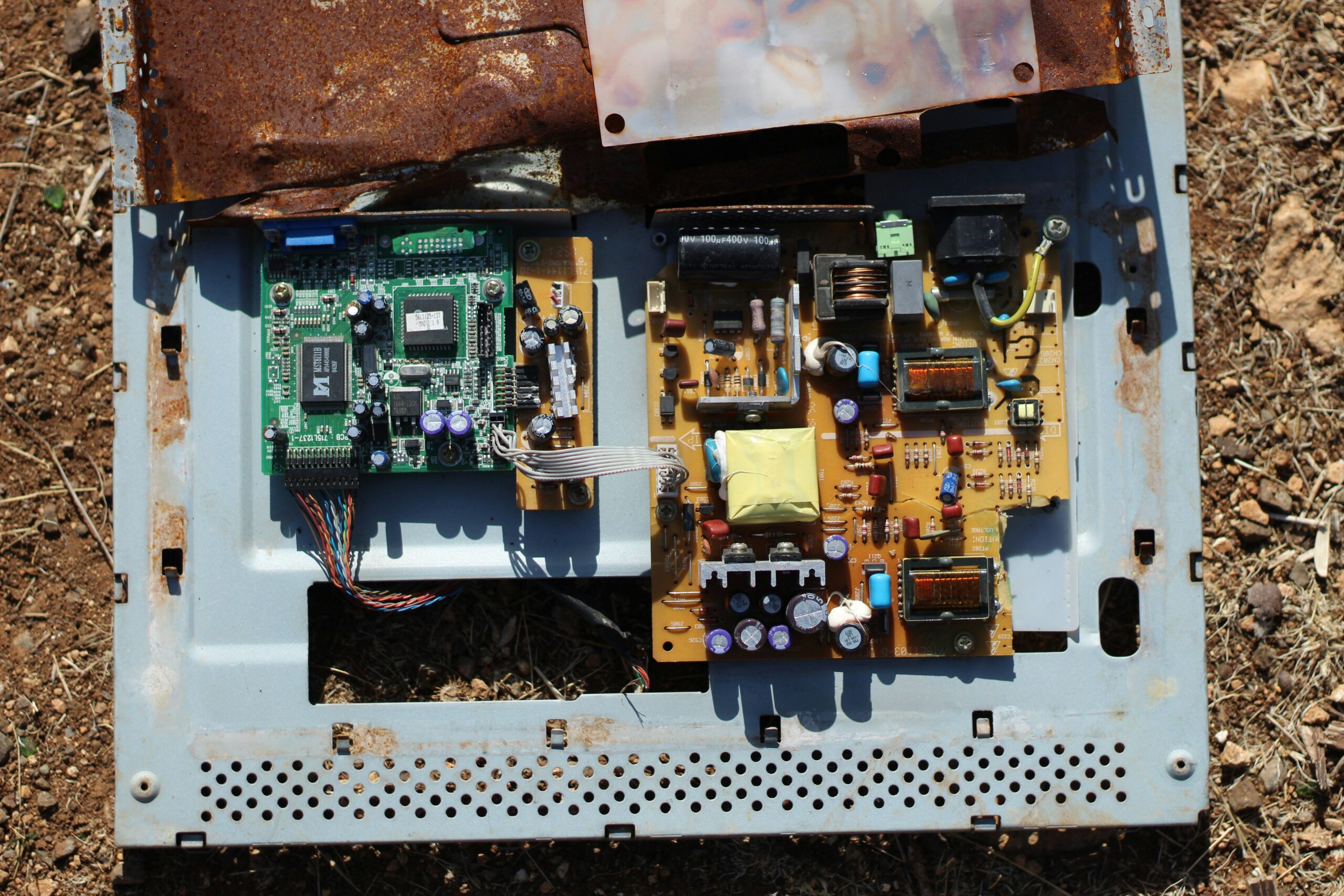
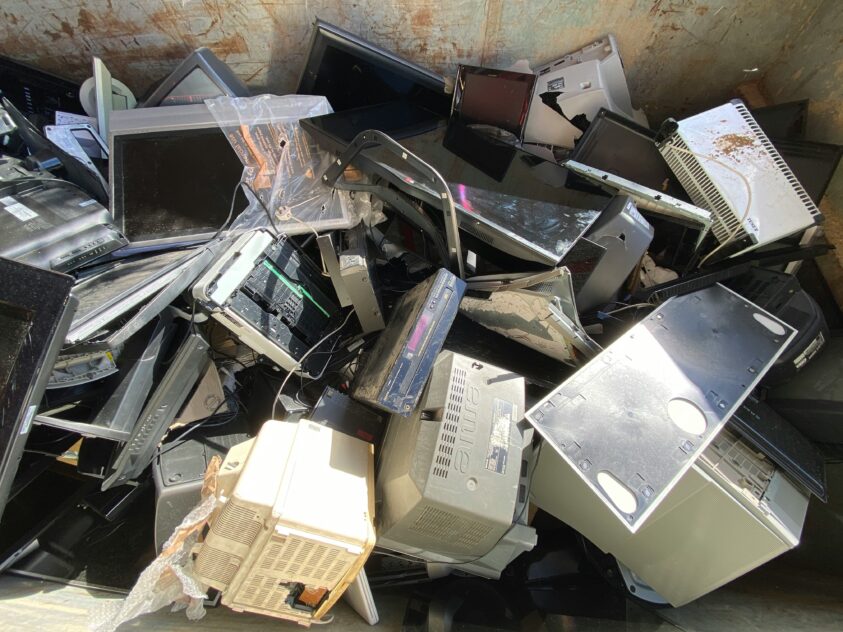
WE live in an age of electronic abundance, but it comes with a growing environmental cost. The world generates more than 50 million tonnes of electronic waste each year, equivalent to discarding roughly 1,000 laptops every second.
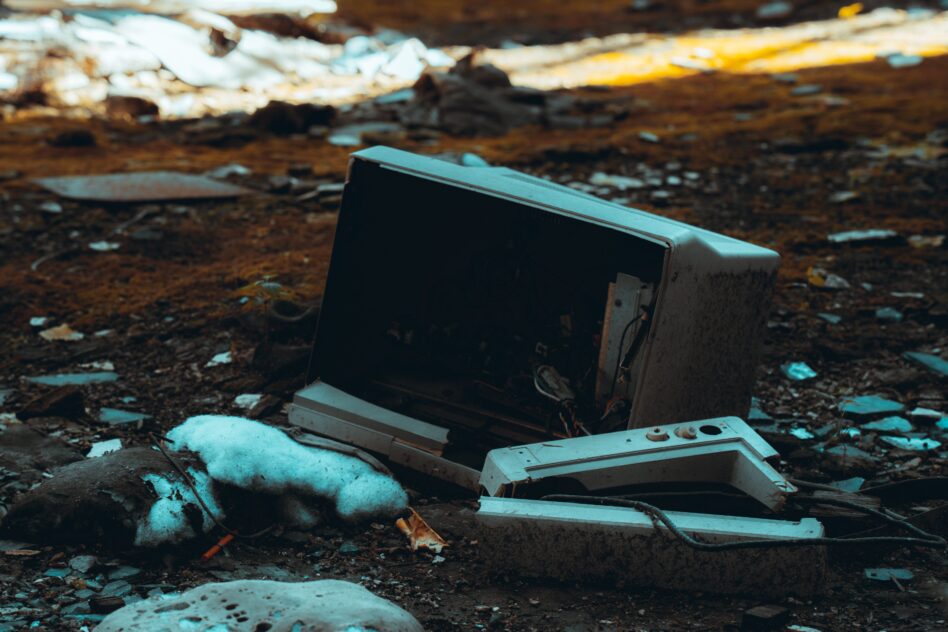
Much of this waste ends up in landfills or is exported to developing countries, where unsafe recycling practices can harm both the environment and human health.
One proposed solution is the circular economy, which seeks to keep products and materials in use for as long as possible through repair, reuse and recycling.
While the concept has gained increasing attention, a recent systematic literature review by Singh, Aggarwal and Garg highlights the significant barriers preventing its widespread adoption in the electronics sector.
Contrary to popular belief, the researchers argue that recycling is not the main challenge. The biggest obstacles emerge much earlier, at the design and manufacturing stage.
The first is the lack of a meaningful “right to repair”. Consumers frequently replace devices not because they are beyond repair, but because spare parts are unavailable, repairs are prohibitively expensive, or products are intentionally designed to be difficult to fix.
A battery may fail while the rest of the device remains functional, yet consumers are often encouraged to purchase a replacement instead. This practice, commonly described as planned obsolescence, undermines efforts to extend product lifespans and reduce waste.
The second challenge lies in product design. Modern electronics often combine valuable materials with hazardous substances in ways that make recovery difficult and costly.
As a result, much of today’s recycling amounts to “downcycling”, where recovered materials are converted into lower-value products rather than reused in new electronic devices. This leads to the loss of valuable resources and reduces the overall effectiveness of recycling efforts.
The study identifies three key approaches that could help accelerate the transition towards a more circular electronics industry.
The first is the adoption of Product-as-a-Service (PaaS) business models. Instead of selling products outright, companies retain ownership and provide services. Examples include leasing laptops, medical equipment or other electronic devices.
When manufacturers remain responsible for the product throughout its lifecycle, they have stronger incentives to design equipment that is durable, repairable and upgradeable.
The second is modular design. Devices built with easily replaceable components, such as batteries, screens and cameras, are significantly easier to repair and upgrade.
The researchers found that modular products not only extend product lifespans but also improve the quality of materials recovered at the end of their useful life.
The third is the redesign of take-back programmes. Traditional collection schemes often struggle because they rely on consumers making extra effort to return unwanted devices.
More effective approaches combine convenience with incentives, such as deposit-refund systems, collection points in retail outlets, or reward-based recycling programmes.
The review also identifies several areas requiring further research. One is consumer behaviour.
While surveys suggest that many consumers support environmentally friendly products, less is known about what motivates them to repair, return or properly dispose of electronic devices. Understanding these behaviours will be critical to improving participation in circular economy initiatives.
Another area involves the use of digital technologies such as blockchain and product passports. These tools could help track the materials used in electronic products and make recycling more efficient by providing recyclers with detailed information about product components.
The researchers also caution against focusing solely on product lifespan. Extending the life of a smartphone may reduce waste, but environmental gains could be offset if consumers simply purchase additional electronic devices.
Future research must therefore consider overall consumption patterns alongside improvements in product durability.
The study offers a clear message: the electronics sector’s waste problem cannot be solved through recycling alone. A truly circular economy requires products to be designed for repair, reuse and recovery from the outset.
Rather than becoming better at managing waste, society must focus on preventing waste from being created in the first place.
As consumers, policymakers and businesses grapple with the growing challenge of electronic waste, the question is no longer whether change is necessary, but how quickly we can redesign the systems that produce it.
The author, Professor Datuk Dr Ahmad Ibrahim is affiliated with the Tan Sri Omar Centre for STI Policy Studies at UCSI University and is an Adjunct Professor at the Ungku Aziz Centre for Development Studies, Universiti Malaya.
The views expressed are solely of the author and do not necessarily reflect those of MMKtT.
- Focus Malaysia

No comments:
Post a Comment
Note: Only a member of this blog may post a comment.