


Sabah will head to the polls on Saturday, Nov 29 2025, to choose 73 members of the state assembly. For many, this is another election, but it is personal for me.
I was born in Sandakan, at The Duchess of Kent Hospital. Lived in Batu 2/12, had a home there, and I still have relatives staying in Kampung Sim Sim.
My mother is from Karakit Island in Banggi and later lived in Matunggong before moving to Semporna. My late father was from Tawau before settling in Tanjung Aru, Kota Kinabalu.
We are a proud Bajau family with an Indian Muslim lineage. My grandfather once worked as an office helper under Sakaran Dandai during his tenure as chief minister. We shifted to Kuala Lumpur in 1996.
These roots shaped me. Although I now reside in Kuala Lumpur, my relatives and my identity remain tied to Sabah.
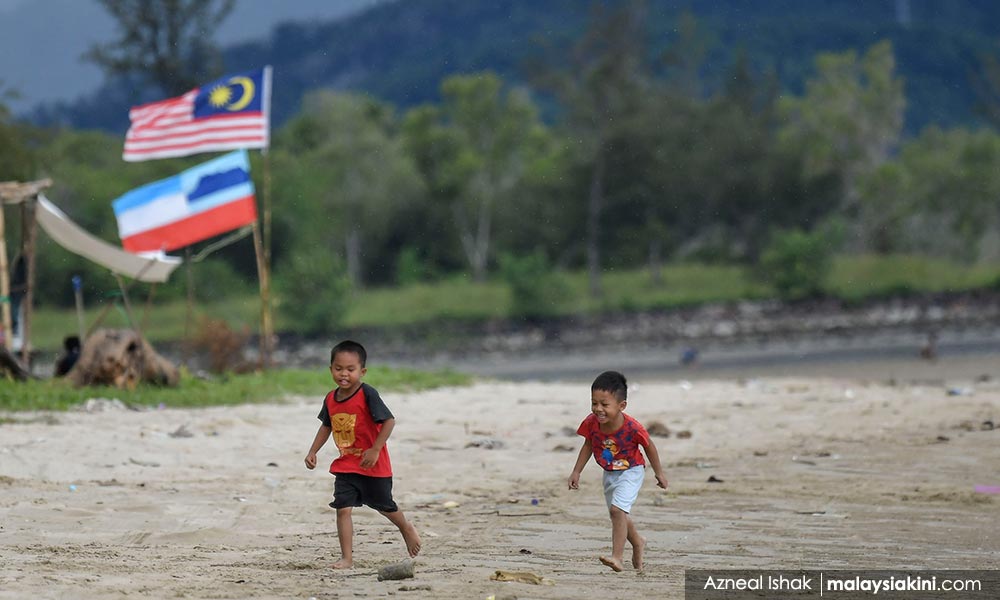
Perhaps that is why it stings when some say I have no standing to speak about Sabah. I know what Sabahans go through.
I have seen homes still standing on fragile wooden stilts above water. I have travelled the roads from Kota Kinabalu to Sandakan and watched them deteriorate into craters.
Issues of water cuts, unstable electricity, poverty that spans generations, and the constant strain caused by undocumented migrants continue to weigh heavily on ordinary families.
The truth is simple: life in Sabah is not equal. The gap between districts is wide, and the pace of development is not the same for everyone.
Talk is cheap, but Anwar does the walk on MA63
There is no need for polished academic language. Not everyone speaks in terms of MA63, even though it matters. What people care about most is their daily survival.
The struggle to access clean water continues in many areas. The lights still go out without warning. The frustration of broken roads and worn-down schools.
For decades, MA63 has been used as a talking point by politicians. It appears during campaigns, is repeated in speeches and presented as a reminder of Sabah’s rights.
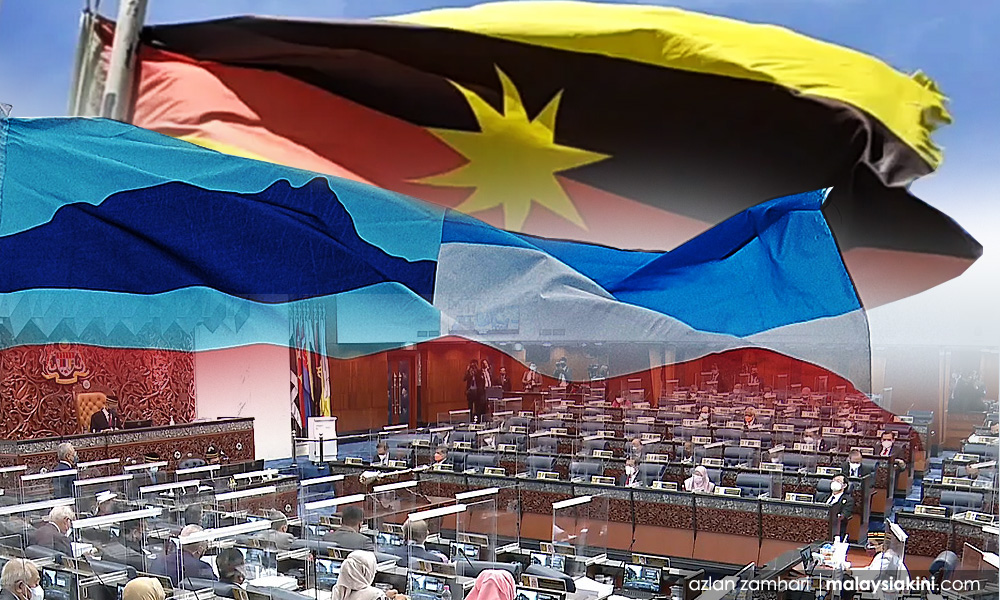
Yet when the noise fades, who truly benefits? Too often, only a handful of political elites, who have long taken advantage of Sabah’s resources while the rakyat see little real change.
Promises are made repeatedly, yet conditions remain visibly unchanged. Poverty tells the same story.
Sabah’s high poverty rate is not merely a matter of low income. It is structural and stems from decades of unequal development, lack of infrastructure, and the overwhelming presence of undocumented migrants that distort demographic and welfare pressures.
What Sabah needs today are practical steps, not dramatic promises. Progress depends on commitment, planning, and cooperation.
This is why the stance of Prime Minister Anwar Ibrahim matters. He has stated clearly that the federal government is committed to returning the 40 percent revenue that Sabah is entitled to under MA63.
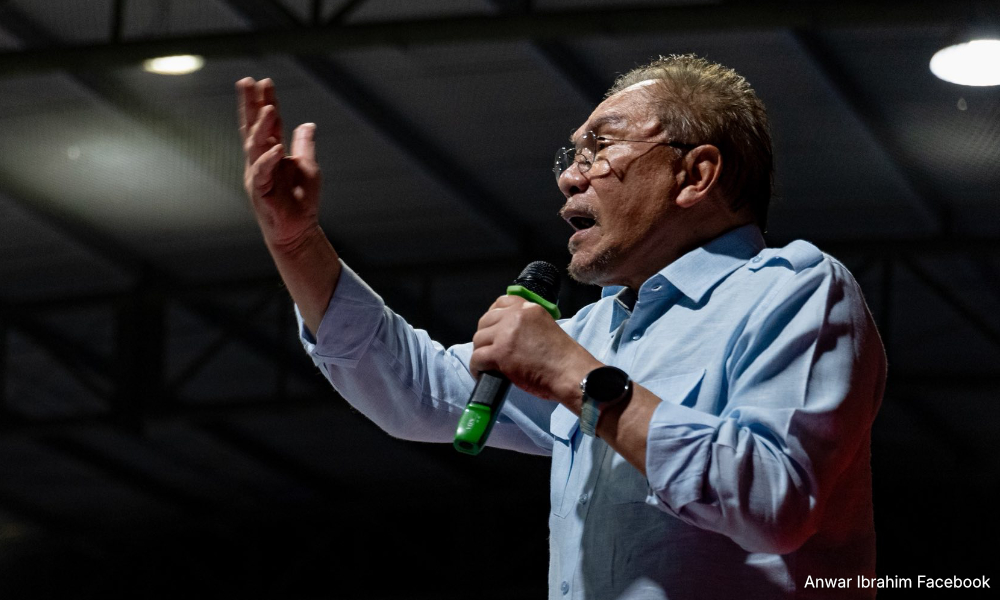
This issue has been talked about for more than half a century, but no one truly acted on it. Only now is there actual movement.
Anwar’s administration has also given Sabah full control over its electricity management. This allows the state to plan its own system and reduce long-standing power issues. Major allocations have been approved to strengthen the power grid.
The Pan Borneo Highway, long delayed, is being monitored more tightly to ensure that work continues without unnecessary disruptions.
These steps do not solve everything overnight, but they show a willingness to address problems that many previous governments did not tackle seriously.
Federal help is vital
For progress to continue, Sabah needs a stable working relationship with the federal government. Development moves faster when both levels of government cooperate closely instead of being locked in constant political arguments.
These are not empty promises; they are concrete steps already taken. But for these efforts to continue, Sabah needs stability.
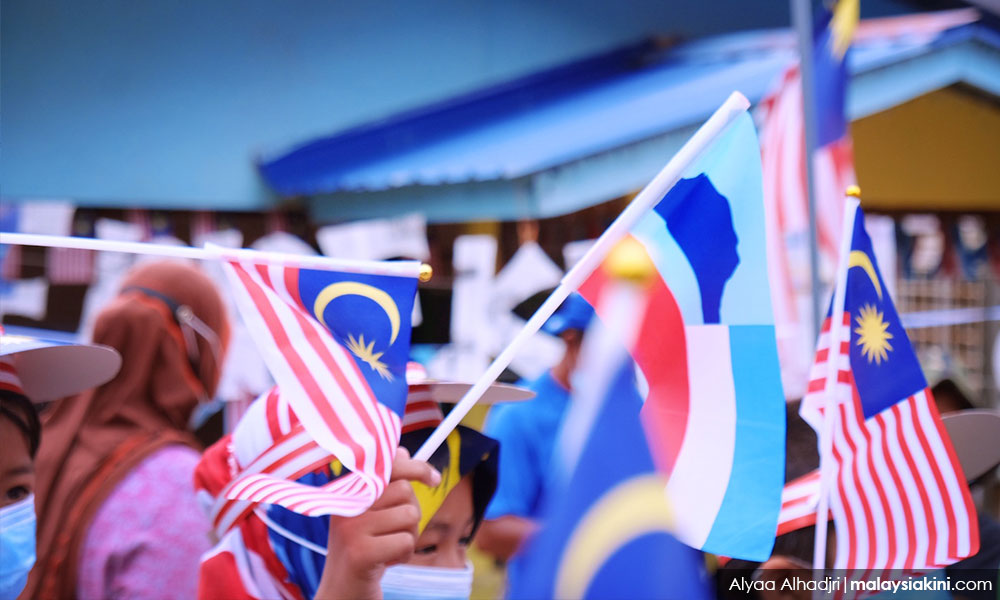
Development does not arrive in a chaotic political environment. When the government keeps changing or when leaders spend more time fighting than fixing issues, the rakyat suffer. Sabah deserves better than repeated political drama.
Pakatan Harapan has demonstrated a real commitment to matters that matter to Sabahans. Anwar has shown that he listens and responds. What Sabah needs now is a stable partner in Putrajaya.
This decision is not about parties; it is about the daily life of Sabahans and the improvements they deserve.
Sabah has waited a long time for meaningful progress. Tomorrow is an opportunity to make a decision based on what can truly improve daily life, not on promises that disappear once the campaign ends. - Mkini
MAHATHIR MOHD RAIS is a former Federal Territories Bersatu and Perikatan Nasional secretary. He is now a PKR member.
The views expressed here are those of the author/contributor and do not necessarily represent the views of MMKtT.

No comments:
Post a Comment
Note: Only a member of this blog may post a comment.