


In two weeks, Sabahans will vote, Malaysia will watch.
The choice is between business-as-usual politics or principled leadership. How Sabah exercises this vote will reverberate across the nation, influencing federal policy, resource management, and the broader political culture.
Sabahans are aware that their policies and decisions can ripple across the border to Sarawak. Both share similar struggles over autonomy, resource control, and their MA63 rights.
Both have the power to insist that forests, rivers, and minerals serve the public good, in its infrastructure, education, healthcare and jobs, and not the private purses of a lucky few.
However, Sabah is a land of contradictions that are impossible to ignore. Rich in oil, timber, and minerals, yet many of its people live in abject poverty - the poorest “state” in Malaysia.
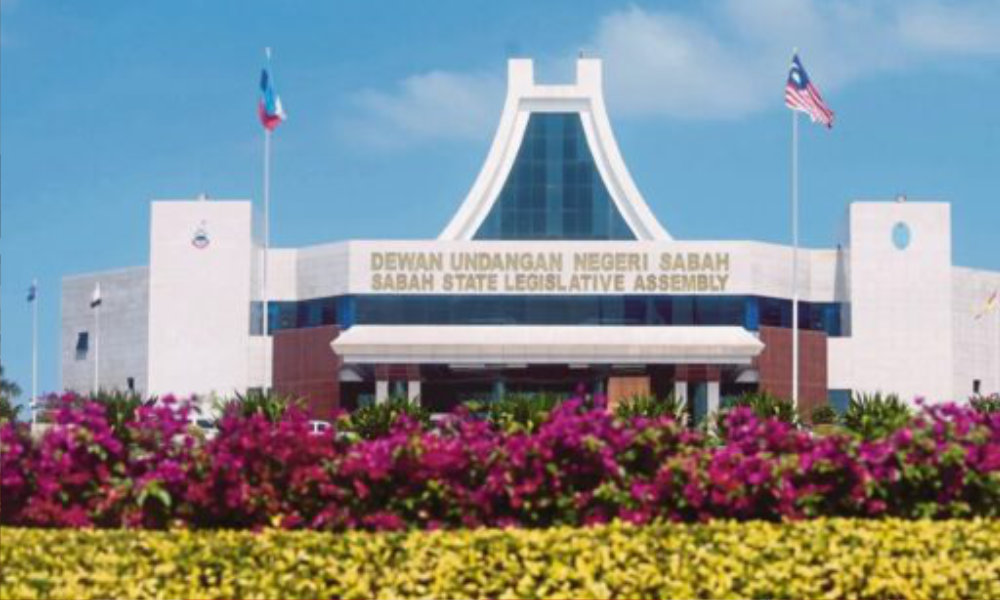
Mining, timber, and other industries are vital to Sabah’s economy, and yet the benefits too often enrich the few, while development stalls.
Rural communities queue for water, navigate roads that double as obstacle courses, where crossing the footbridge over a raging river to attend school on the opposite bank is a daily, risky exercise, and trying to get a stable internet connection for one's phone means climbing the highest tree in the vicinity.
Meanwhile, urban youth contemplate their next jobless migration to Peninsular Malaysia or beyond.
Sabah cannot seem to get away from dynasty politics, and at the same time, the Malaysiakini exposé makes for difficult reading.
Voters must decide if leadership skills should run in the family or be earned, whether the political elite care at all about competence and accountability, and whether they should treat public resources as theirs to exploit.
Erosion of trust
With the state election looming in just two weeks, Sabahans are not merely exercising their votes, because they are also investigating how authority really functions.
The Malaysiakini exposé reveals an uncomfortable truth: several incumbent leaders and aspiring candidates have been implicated in a major mining and kickback scandal.
The allegations, tied to businessperson Albert Tei, suggest that some politicians may have received significant sums ranging from hundreds of thousands to millions of ringgit to facilitate mineral exploration licences.
Many have denied wrongdoing. Some have been cleared by the authorities. At least one politician issued a denial with the claim that the money from Tei was not a bribe, but was a political donation to the party.
This argument of bribes masquerading as political donations has been used before in the peninsula’s politics.
Whatever the reasons or excuses made by Sabah's political class, what is clear is that public trust in them has been eroded.
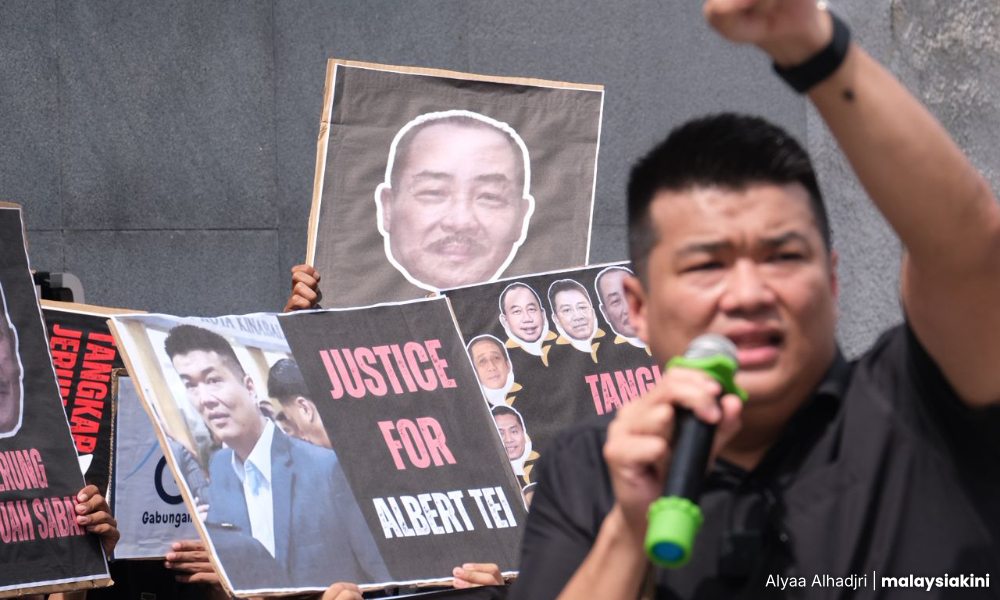
The sheer scale of the allegations, which involve current chief ministers, deputy ministers, and high-ranking party officials does raise serious questions about accountability, governance, and the culture of political patronage in Sabah. Public perception matters.
When leaders are publicly associated with these allegations, trust erodes. Voters are right to ask: Can they be trusted to act in the public interest?
The allegations range from caretaker chief minister Hajiji Noor to Parti Solidariti Tanah Airku president and acting deputy chief minister I Jeffrey Kitingan. These are not minor officials because those on the list span the highest levels of state leadership.
Sabah sends 25 MPs to Parliament, and this accounts for over 11 percent of Dewan Rakyat seats. With just over two weeks before the Sabah state election, Sabahans appreciate that they are not only choosing a state government, but they are also exercising a form of kingmaker power.
Malaysiakini's write up is worrying, but nothing can beat the theatre of absurdity with the dynasty politics practised in Sabah. Sons-in-law, nephews and cousins can't wait to want to be involved in governance.
What some people fear is that the lack of transparency becomes routine, patronage becomes culture, and ethical caution, which is crucial to avoid repeating past mistakes of corruption and inequity, has a tendency to evaporate, much like the morning mist over Mount Kinabalu.
Voter sentiment
Voter sentiment is as varied as Sabah’s landscapes. Urban voters have relatively easy access to social media, where discussions and strong opinions help sway their voting sentiments.
Rural voters, meanwhile, experience misgovernance as a reality in their lives: impassable roads, water shortages, schools without electricity, and clinics without doctors.
In the interior and rural coastal towns, corruption is not a headline because it is what really happens to you, like a pothole you fall into, or an armed conflict you did not invite.
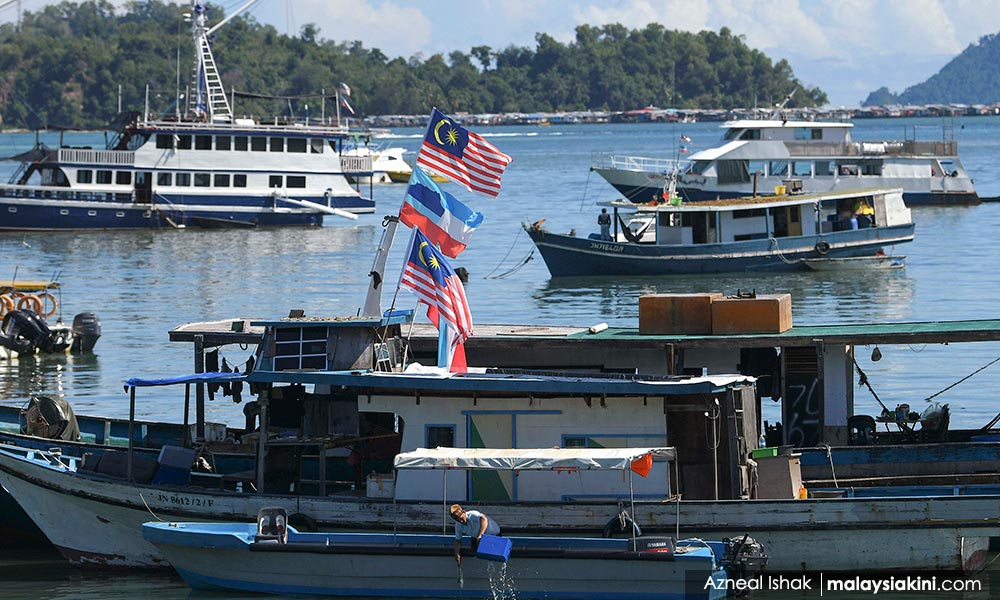
Sabah's youth can play a crucial role. Students and young workers face limited opportunities, environmental degradation, and political theatre masquerading as governance. Wealth from natural resources has been siphoned upwards, whilst the futures of the young are left to chance.
Sabah is noted for its religious and cultural diversity, with Muslims, Christians, Buddhists, and indigenous communities coexisting. Sabahans are in a unique position to demand that governance respects all citizens, not merely a privileged few.
Sabah’s youth deserve hope. Its villages deserve water, roads, and schools that work. Its citizens deserve leaders who govern for the public, not their private bank balances.
What happens on Nov 29 is not just an election. It is a civic test, a moral compass, and an opportunity to reclaim principled governance, safeguarding natural wealth, and enforcing accountability. Sabahans have the power and the civic duty to shape their own destiny.
How Sabahans vote will send a signal to Sarawak and the rest of Malaysia. - Mkini
MARIAM MOKHTAR is a defender of the truth, the admiral-general of the Green Bean Army, and the president of the Perak Liberation Organisation (PLO). Blog, X.
The views expressed here are those of the author/contributor and do not necessarily represent the views of MMKtT.

No comments:
Post a Comment
Note: Only a member of this blog may post a comment.