


The question of why educated, respected, and successful professionals turn to extremism is both psychological and sociological. Their radicalisation is not born of deprivation, but of conviction.
Many are drawn by a deep moral disillusionment or frustration with perceived global injustices. They see violence not as cruelty, but as sacrifice, i.e. a way to correct what they view as a moral imbalance in the world.
Extremist recruiters understand this psychology well. They appeal not to greed but to pride, offering educated minds a sense of purpose and superiority.
Professionals also offer terrorists what they lack: sophistication. They bring structure, knowledge, and access to systems that can make extremist operations appear legitimate.
The engineer knows how to build. The accountant knows how to hide transactions. The lecturer knows how to persuade. The doctor knows how to gain trust. Each professional skill becomes a potential tool in the hands of ideology.
Malaysia’s cases illustrate this clearly. Azhari Hussein and Noordin Mohammad Top masterminded bombings using their technical and financial expertise. Yazid Sufaat used his scientific background to explore biological weapons.
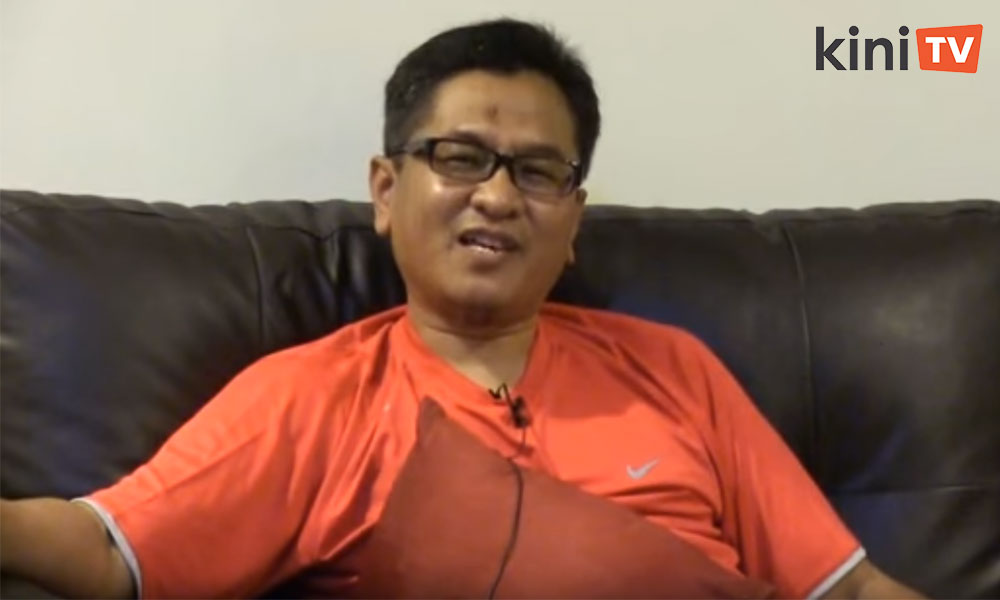
Mahmud Ahmad used his academic influence to connect Malaysian militants with regional networks in the southern Philippines. These were not desperate individuals, but they were ambitious, skilled, and respected until ideology corrupted them.
Their examples reveal that radicalisation among professionals follows a subtle trajectory. It begins with intellectual sympathy for certain causes, deepens through online or personal networks, and culminates in practical facilitation. Because their environments - universities, corporations, or hospitals are built on trust, the warning signs often go unnoticed.
Foreign manipulation
Another layer to this threat involves foreign manipulation. Extremism has long served as a convenient instrument for those who wish to destabilise nations without direct confrontation.
Foreign agencies or groups may exploit Malaysia’s openness, using professional collaborations, charities, or educational exchanges as covers for ideological infiltration.
A lecturer may be invited to join an international research project that gradually exposes him to extremist narratives. A charitable foundation may receive funding from an entity that uses humanitarian work as a disguise for financing violence. The line between cooperation and co-optation can become dangerously thin.
To safeguard against this, Malaysia must build resilience not only in security agencies but also within professional communities themselves. Countering extremism is no longer solely the job of the police or intelligence units. It is a shared social responsibility.
Every profession must embed ethical and national awareness into its culture. Doctors, engineers, teachers, and bankers should understand that their roles carry moral and civic duties beyond technical competence.
Professional bodies can strengthen this resilience by incorporating counter-radicalisation modules into licensing and training. Universities should establish ethics and ideological literacy courses that teach students to recognise manipulative narratives.
Corporations should enforce transparency in donations, partnerships, and overseas ventures. Banks must monitor charitable and research-related accounts with greater scrutiny while ensuring privacy rights are respected.
Legal frameworks must also evolve. Whistleblowers who report suspicious activities need protection. Professionals who flag anomalies in grants, donations, or partnerships should not fear retaliation. When integrity becomes the norm, vigilance becomes instinctive.
Education remains the most powerful long-term defence. Extremism preys on intellectual rigidity and moral absolutism. Malaysia’s schools and universities must promote critical thinking, open dialogue, and respect for diversity. These values act as inoculations against extremist ideologies.
A professional who is intellectually independent and ethically grounded is far less likely to be manipulated.
Defenders of peace
At the same time, Malaysia must remain alert to the possibility that foreign powers could use terrorism as a destabilising tool. While overt aggression invites condemnation, covert ideological infiltration can erode national cohesion from within.
The best defence against such tactics is a nation united by integrity and aware of its vulnerabilities.
Prime Minister Anwar Ibrahim’s message after the Delhi blast of compassion, solidarity, and zero tolerance for terror reflects the moral clarity needed in this struggle. Malaysia must mirror that stance at home by ensuring its own professionals stand as defenders of peace.

The fight against extremism is no longer fought solely on battlefields or in police operations. It now takes place in classrooms, boardrooms, clinics, and financial institutions.
The “terrorist in a suit” - educated, composed, and ideologically convinced - is a reality that cannot be ignored. But so too is the “guardian in a suit” that the professional who uses his position to protect the integrity of his nation.
Malaysia’s survival depends on which of these two figures prevails. The answer will not be found in fear, but in ethics, awareness, and unity.
If Malaysia can turn its professionalism into a shield rather than a weakness, it will not only neutralise extremism but transform legitimacy itself into its strongest line of defence. - Mkini
R PANEIR SELVAM is the principal consultant of Arunachala Research & Consultancy Sdn Bhd (Arrescon), a think tank specialising in strategic national and geopolitical matters.
The views expressed here are those of the author/contributor and do not necessarily represent the views of MMKtT.

No comments:
Post a Comment
Note: Only a member of this blog may post a comment.