

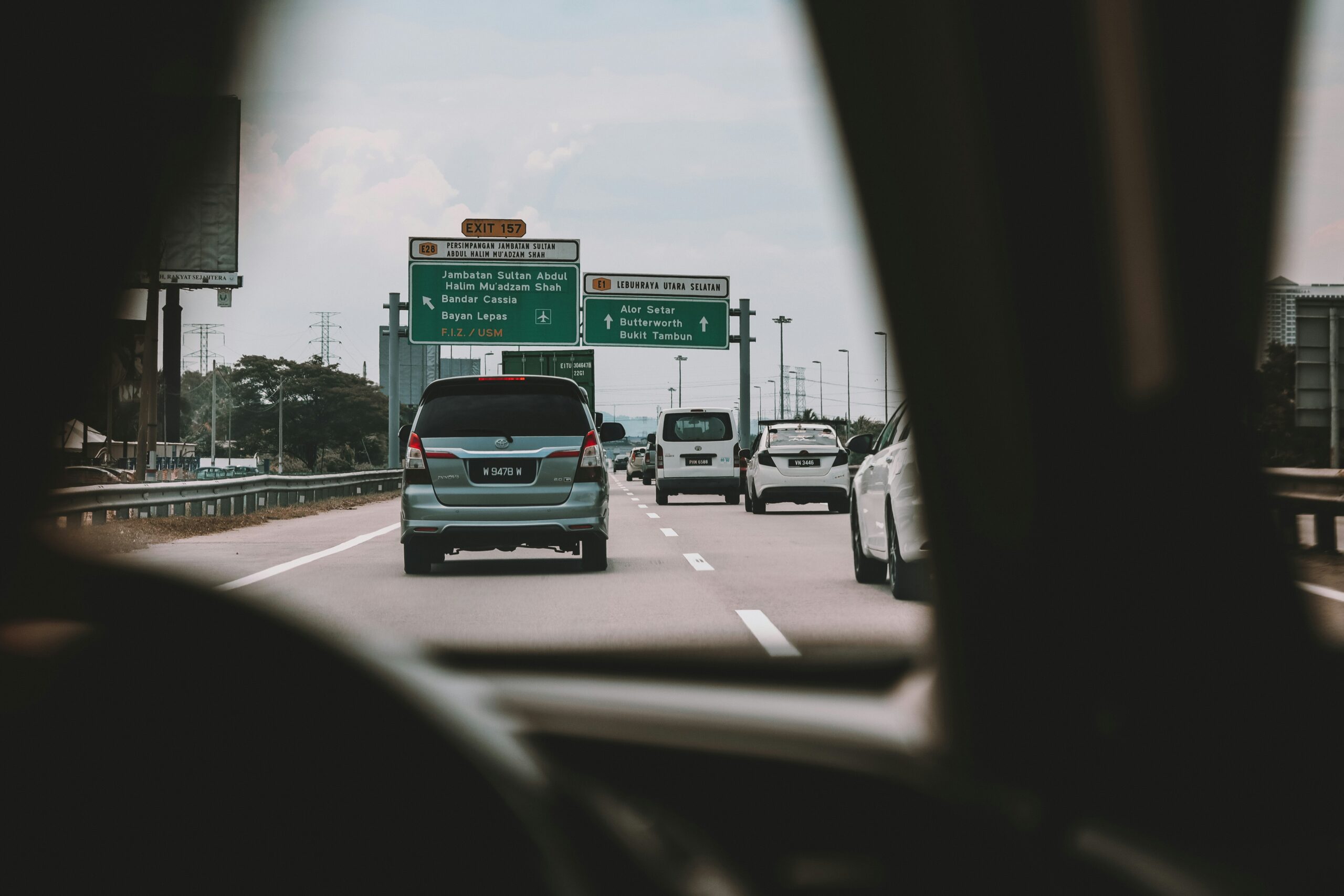
EVERY year, Malaysians plan their balik kampung trips with a few key considerations in mind: how much tolls will cost, how much fuel will cost, and whether flight tickets are affordable.
When it comes to travel, we tend to reduce and categorise expenses into simple line items. In reality, we are severely underpricing one key element—our time.
Let’s break it down.
A typical drive from Kuala Lumpur to Dungun or Kuantan in the East Coast during Raya can take 6‒8 hours, sometimes longer due to traffic and weather.
If we take Malaysia’s minimum wage as the basis, the average Malaysian’s time is worth RM8 per hour. That’s already RM96 to RM130 per person lost, at the minimum.
Using a higher income benchmark, the numbers increase quickly. For someone earning RM3,000 a month, the time is closer to RM17 per hour.
And that’s just the beginning.
The direct costs are items we normally take into consideration and are tangible, comprising fuel, toll, cost for accommodation, and discretionary spending on food and other expenses.
Aside from higher fuel consumption in traffic, there are longer-term considerations like wear and tear on your car.
On top of that, there’s what I call the “risk premium” deriving from uncertainty: delays, bottlenecks, and the unpredictability of peak travel periods. Then there’s the physical and mental fatigue from long drives – these are priceless.
Yet despite this, most of us still anchor our decisions on what we can immediately see.
In behavioural finance, this is known as cash bias. We pay attention to out-of-pocket expenses and ignore everything else. That’s why spending hours in traffic feels acceptable, but paying for a faster, more reliable option feels expensive.
In reality, the trade-off is not always so straightforward.
Outside of peak festive periods, travel is already becoming more time-consuming and less predictable. What used to be a 30-minute journey can quietly stretch longer, due to congestion, weather, or timing.
Over time, this variability adds up. Not just in fuel costs, but in lost time, fatigue, and the need to plan around uncertainty.
Two hours lost in traffic could easily be time used to complete paid work or run errands, but instead becomes time that is absorbed into travel without being consciously accounted for.
If this happens four to five times a week, that is 20 to 30 hours lost—almost the equivalent of a full working week.
This raises a broader question: if uncertainty is becoming part of everyday travel, how should we begin to factor and reduce these hidden costs?
One shift is the gradual improvement in connectivity, particularly through rail and other alternatives, which introduces a different variable into the equation.
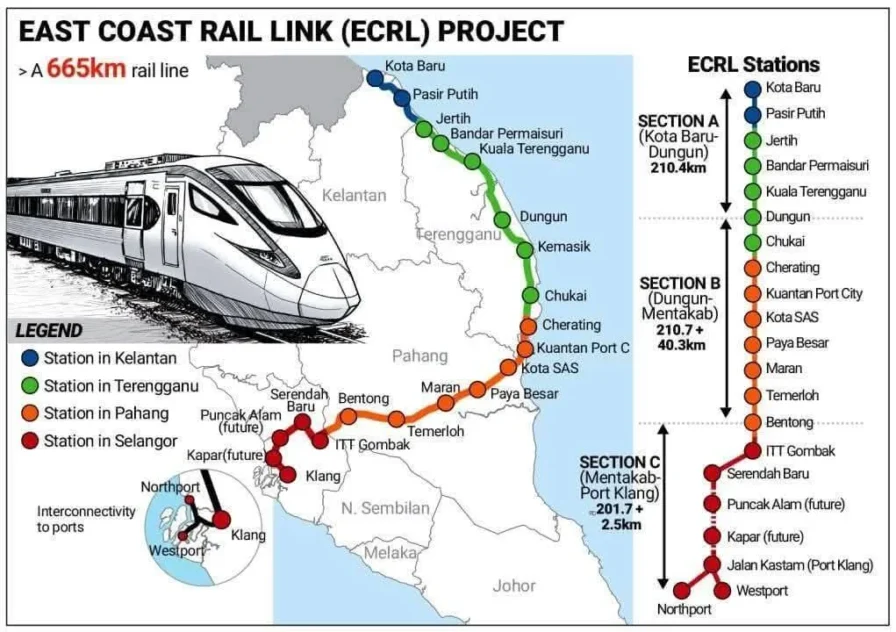
Projects like East Coast Rail Link (ECRL), which is expected to connect the East and West Coasts with more consistent travel times, reflect this shift. For example, journeys from Selangor through Gombak to Kuantan, Pahang are expected to take around 1 hour 35 minutes via express service.
What stands out is not just the time saved, but the reduction in variability.
A more predictable journey changes the equation. Instead of overcompensating—leaving earlier than necessary, building in buffers, or accepting lost hours as unavoidable—there is a clearer expectation of how long travel will take.
That allows for tighter planning, whether it is coordinating schedules, reducing downtime, or simply avoiding the need to “price in” uncertainty.
This is where improvements in connectivity begin to matter in practical terms. It is less about speed and more about consistency as a form of cost control.
Over time, as options like ECRL become more established, they may begin to integrate into everyday travel, supporting a more predictable and efficient use of time and resources.
Because personal finance isn’t just about minimising what you spend. It’s about understanding what things truly cost and making better trade-offs.
Ultimately, we must move past the habit of blaming external factors—like traffic congestion or fuel prices—for our travel frustrations. While you cannot control the flow of traffic or the actions of other drivers, you have absolute authority over your own financial choices.
Your money and how you value your time are your responsibilities. By taking ownership of these decisions and proactively choosing more efficient alternatives, you stop being a victim of the system and start becoming the manager of your own resources.
Looking ahead, festive travel may gradually evolve as connectivity improves. As options expand, families returning home may benefit from more reliable alternatives, helping to reduce some of the less visible costs that are not always factored in.
Faiz Azmi is the founder of Financial Faiz, a financial literacy platform that provides educational content on YouTube, Instagram, and TikTok on topics like salary management, investment, debt, and economic issues.
The views expressed are solely of the author and do not necessarily reflect those of MMKtT.
- Focus Malaysia

No comments:
Post a Comment
Note: Only a member of this blog may post a comment.