


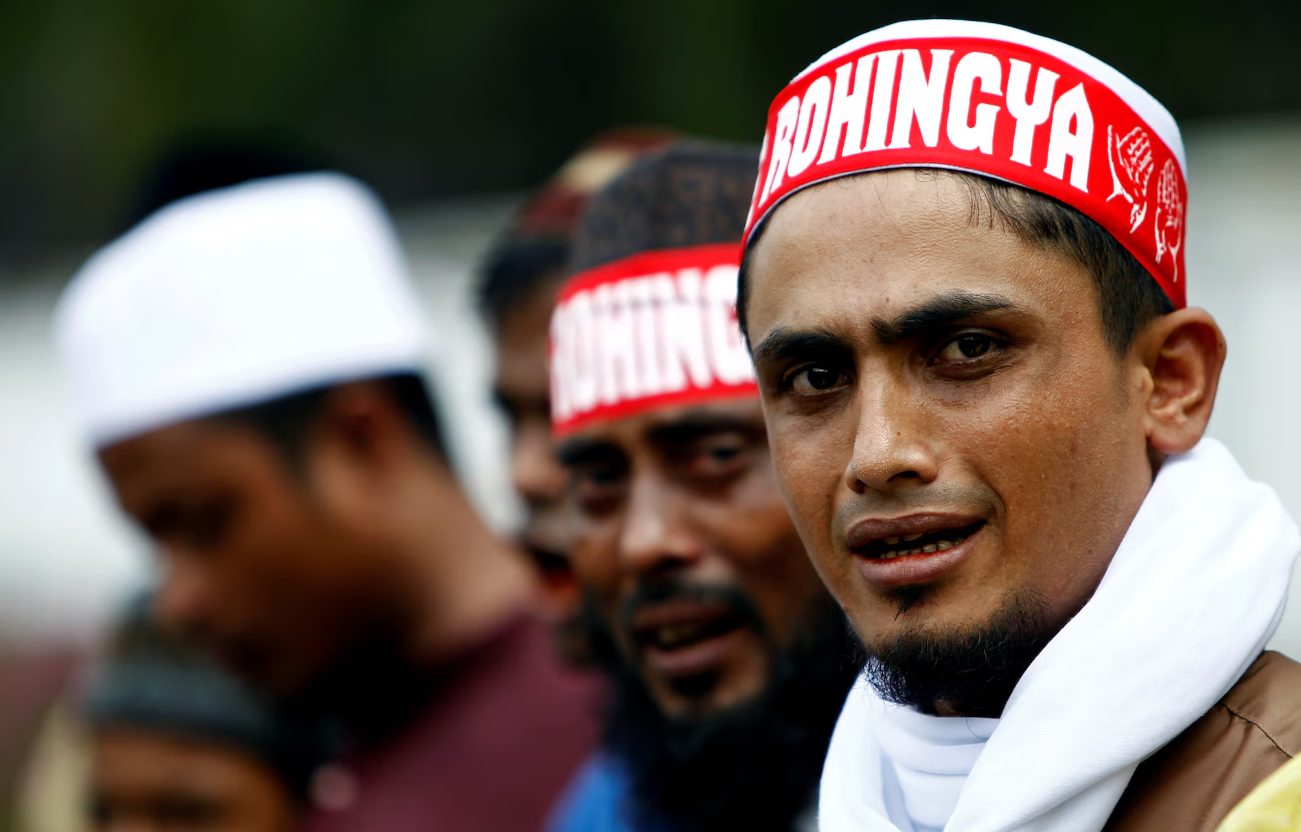
THE Rohingya crisis remains one of the greatest humanitarian tragedies of our time. Stripped of citizenship, subjected to persecution and forced to flee their homes, many Rohingya have spent years searching for safety and stability.
They deserve compassion. But compassion without long-term solutions creates a different kind of injustice, one that affects both refugees and the communities that host them.
Recent reports indicate that some Rohingya refugees have lived in Malaysia for more than 15 years. Fifteen years is not temporary protection.
It is prolonged uncertainty. It is a reminder that the international refugee system is struggling to deliver durable solutions for people who have already endured immense hardship.
Malaysia is not a signatory to the 1951 Refugee Convention. Yet for decades, it has provided refuge to those fleeing conflict and persecution, not because it is legally obliged to do so, but because it has chosen to act on humanitarian grounds.
That generosity should be recognised and not be assumed.
Increasingly, however, Malaysia risks becoming a long-term holding ground while the international community struggles to address the underlying causes of displacement and expand opportunities for resettlement.
The reality is that prolonged uncertainty benefits no one. Refugees remain unable to plan for their futures, while host countries face growing pressure on public services, housing, healthcare and social support systems.
Informal employment becomes more common, creating opportunities for labour exploitation and human trafficking. Over time, tensions can emerge between local communities and refugee populations, making social cohesion more difficult to sustain.
This is why the conversation must move beyond compassion alone and focus on responsibility, accountability and practical solutions.
First, greater transparency is needed within the international refugee protection system. More public reporting on processing timelines, pending cases and resettlement outcomes would help improve accountability and provide clearer expectations for both refugees and host countries.
Second, refugee status determination and long-term solutions should not be allowed to drift indefinitely. While every case presents unique challenges, prolonged uncertainty lasting well over a decade cannot be viewed as an acceptable outcome.
Third, wealthier countries must play a larger role in refugee resettlement. Burden-sharing cannot remain concentrated among a handful of developing and middle-income countries while many advanced economies accept relatively limited numbers of refugees.
Fourth, Malaysia should consider expanding regulated work opportunities for verified refugees. Proper registration, biometric verification, security screening and compliance with Malaysian laws would help reduce dependence on informal employment while providing greater protection for both refugees and local workers.
Fifth, refugees should be equipped with a clear understanding of Malaysian laws, customs and civic responsibilities. Integration begins with mutual respect and a shared commitment to social harmony.
Sixth, enforcement against human trafficking and people-smuggling networks must remain a priority. Genuine refugees deserve protection, but criminal syndicates should never be allowed to exploit humanitarian crises for profit.
Finally, ASEAN cannot continue treating the Rohingya issue as a problem for individual member states to manage alone.
Greater regional cooperation, coordinated registration systems, shared resources and sustained diplomatic engagement with Myanmar are essential if meaningful progress is to be achieved.
The world cannot continue applauding Malaysia’s compassion while avoiding difficult conversations about long-term responsibility. Nor can humanitarian protection become a permanent holding pattern by default.
Refugees deserve more than endless uncertainty. Host communities deserve support, transparency and a fair distribution of responsibility. Both can be true at the same time.
If there is one lesson from the Rohingya crisis, it is that temporary protection must ultimately lead somewhere. A system that leaves people waiting for decades is failing not only refugees, but everyone involved.
KT Maran is a Focus Malaysia viewer.
The views expressed are solely of the author and do not necessarily reflect those of MMKtT,
- Focus Malaysia.

No comments:
Post a Comment
Note: Only a member of this blog may post a comment.