


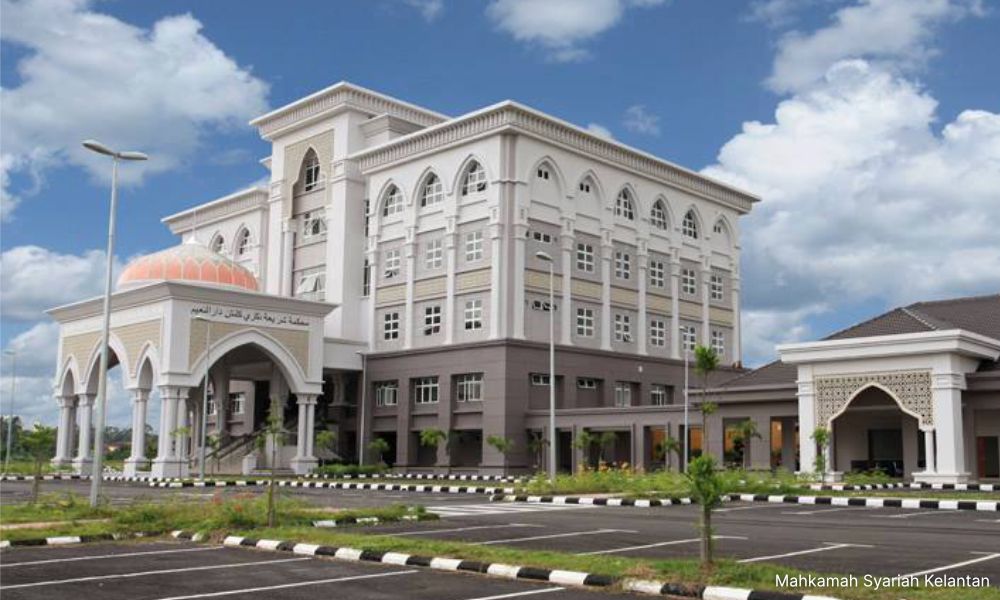
The Kelantan state legislative assembly has unanimously passed the Kelantan Syariah Offences Enactment Bill 2026, replacing 16 provisions previously struck down by the Federal Court.
The new law directly addresses the apex court’s 2024 ruling that the provisions were invalid because the state assembly had encroached on federal jurisdiction by legislating on offences already covered by federal criminal law.
Among the provisions struck down were those criminalising the destruction of places of worship, sodomy, necrophiliac sexual intercourse, bestiality, sexual harassment, possession of false documents and giving false information, intoxication, and misuse of the halal label.
To resolve the constitutional conflicts, the 2026 bill repeals the Syariah Criminal Code (I) Enactment 2019, which the court had partially invalidated. However, investigations or trials that began before the new law takes effect will continue under the old legislation.
The bill instead frames the state’s jurisdiction around the five principles of Maqasid Syariah, or the objectives of Islamic law, with offences focused on purely religious matters.
New law narrows scope of offences
For instance, offences such as sodomy and incest, which the Federal Court found fell under federal jurisdiction, have been dropped.
They are replaced by Section 15, which prohibits Muslims from using their private parts for purposes “contrary to Hukum Syarak” (Islamic law), and Section 16, which prohibits the use of “any limb or part of his body” for sexual purposes contrary to Islamic law.
Both offences carry three to six strokes of whipping, as well as a fine of up to RM5,000, imprisonment of up to three years, or both.
The Federal Court also struck down the previous provision prohibiting anyone from consuming intoxicating drinks. The new bill instead introduces Section 33, which prohibits Muslims from intentionally causing themselves to lose their sanity to the point of affecting their ability to fulfil religious obligations.
The provision also limits the scope of the state’s anti-intoxication laws to Muslims, rather than “any person”.
Similarly, Section 11 of the old law, which criminalised destroying or defiling places of worship, has been replaced by Section 12, which focuses on disturbing Muslim places of worship.
Section 34, which criminalised possessing false documents and giving false information, has been replaced by a narrower provision covering false information related to the administration of Islamic affairs.
Provisions concerning usury, reducing measurements, and misuse of halal labels were also struck down. The new legislation instead focuses on the religious aspect of income, with Section 39 criminalising the earning of ujrah (reward or income) in a manner contrary to Islamic law.
Other changes
Meanwhile, Section 10 makes it an offence for Muslims who have come of age and are of sound mind to intentionally abandon obligatory prayers without a valid excuse.
The offence carries a fine of up to RM2,000, imprisonment of up to one year, or both.
Several provisions unaffected by the Federal Court verdict were also changed.
Muslims who become pregnant out of wedlock – and their Muslim partner who caused the pregnancy – will face three to six strokes of mandatory whipping for the offence, in addition to a fine and/or imprisonment.
This is in contrast to the 2019 law, where the court has discretion between jail, fine, whipping, or a combination thereof.
Provisions against giving custody of a child to a non-Muslim or an immoral Muslim have been expanded with the addition of Section 14(1) of the new bill, which makes it an offence to neglect or deviate the child’s Aqidah (religious upbringing).
The offence is punishable with three to six strokes of whipping, in addition to a fine up to RM5,000, up to three years’ imprisonment, or both.
State vows to defend new law
The bill was passed after debates involving Perikatan Nasional assemblypersons for Pasir Tumboh, Melor, Jelawat, and Chempaka, as well as the BN assemblyperson for Galas and the Pakatan Harapan assemblyperson for Kota Lama.
To support enforcement, the state government pledged to increase the number of investigation and enforcement officers and upgrade related infrastructure, subject to its financial capacity.
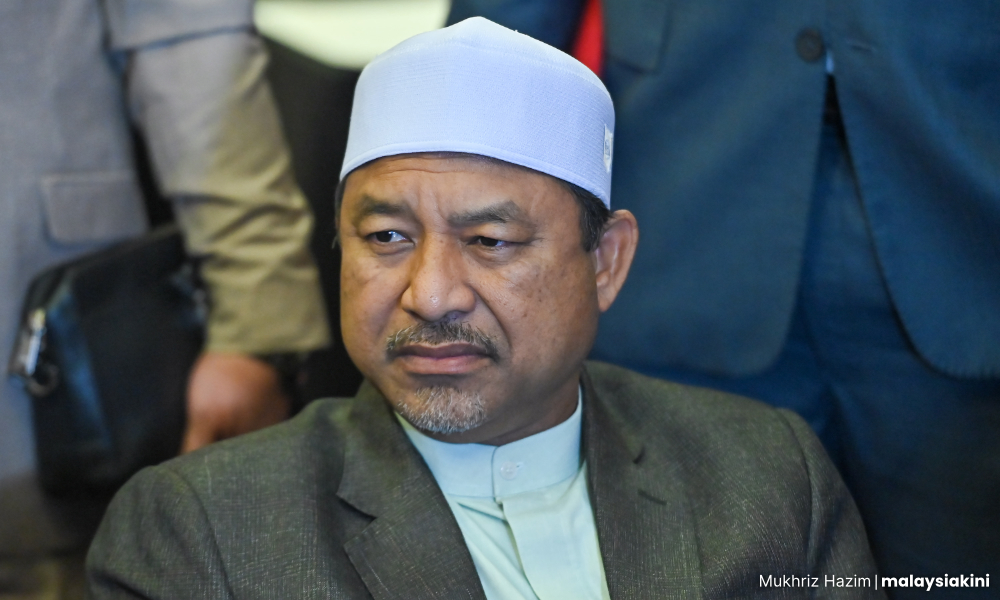
Kelantan Menteri Besar Nassuruddin Daud meanwhile said the state administration was prepared to defend the new enactment if it faced further legal challenges.
“If we are challenged again, we will rise; we will argue again and again,” he was quoted as saying by Sinar Harian.
He also emphasised that enacting and defending the state’s syariah provisions is an obligation for which state leaders will be held accountable in the afterlife. - Mkini

No comments:
Post a Comment
Note: Only a member of this blog may post a comment.